

















Now Reading: MPD 2047 allows hotels in industrial zones, transport hubs
-
01
MPD 2047 allows hotels in industrial zones, transport hubs



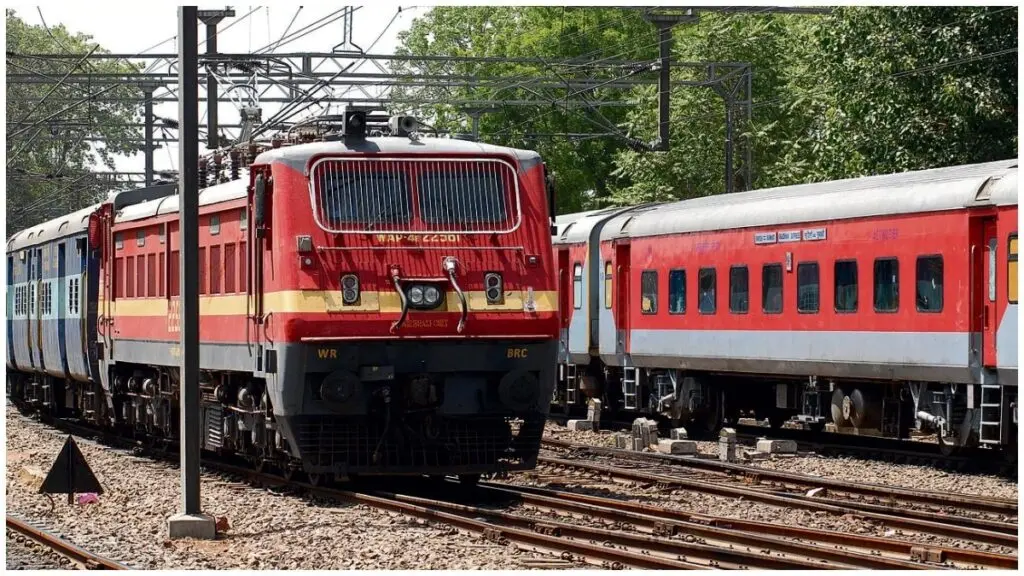
Master Plan for Delhi (MPD) 2047 has opened up more space for the hospitality industry. Hotels, budget hotels, service apartments and guesthouses will now be permitted not only in designated hotel zones but also in commercial centres, industrial areas, wholesale markets, integrated freight complexes and transport hubs such as ISBTs, railway stations and airports. Budget hotels can be developed on plots with access from a 12-metre road, while regular hotels need a 24-metre right of way. Bed and breakfast facilities will be allowed as per tourism department guidelines.
Separately, MPD 2047 focuses on boosting non-motorised mobility through active travel areas (ATAs) and active travel networks (ATNs) in high-footfall zones like Chandni Chowk and Hauz Khas Village, aiming to support walkability and a 24×7 economy. The Delhi Development Authority (DDA) will hold over 20 stakeholder meetings over the next three months to accelerate implementation, engaging with industry bodies, elected representatives, RWAs and government agencies on provisions including transit-oriented development, land pooling and slum redevelopment.
Indian Opinion Analysis
All three sources treat MPD 2047 as a straightforward policy announcement, reporting its provisions without praise or criticism. Times of India focuses on the hospitality and mobility angles with neutral framing, while Hindustan Times adds the DDA's outreach plan as a separate news item, again without slant. No source challenges the plan's feasibility or highlights past implementation failures, though one official quoted in Times of India concedes ground realities differ from theory. The coverage is uniform straight reporting, the key takeaway is the plan's ambition across multiple sectors, but its success will depend on inter-agency coordination and the stakeholder consultations that begin this quarter.
The measure of MPD 2047 will be whether DDA's 20-plus meetings translate into actual redevelopment on the ground, especially in congested areas where pedestrianisation and transit-oriented development have stalled before.
Coverage: 3 sources, 3 neutral
Sources (3): timesofindia.indiatimes.com (neutral report), timesofindia.indiatimes.com (2) (neutral report), hindustantimes.com (neutral report)
This story was synthesised by AI from the 3 sources linked above. Methodology and corrections.
Updated: this story now draws on 3 sources.