














Now Reading: Delhi Master Plan 2047 proposes congestion charges and denser growth
-
01
Delhi Master Plan 2047 proposes congestion charges and denser growth



Delhi’s Master Plan 2047 proposes congestion pricing in high-traffic zones, alongside dynamic parking charges and restrictions on public parking. The DDA approved the plan on August 12 and sent it to the…
The Story in Brief
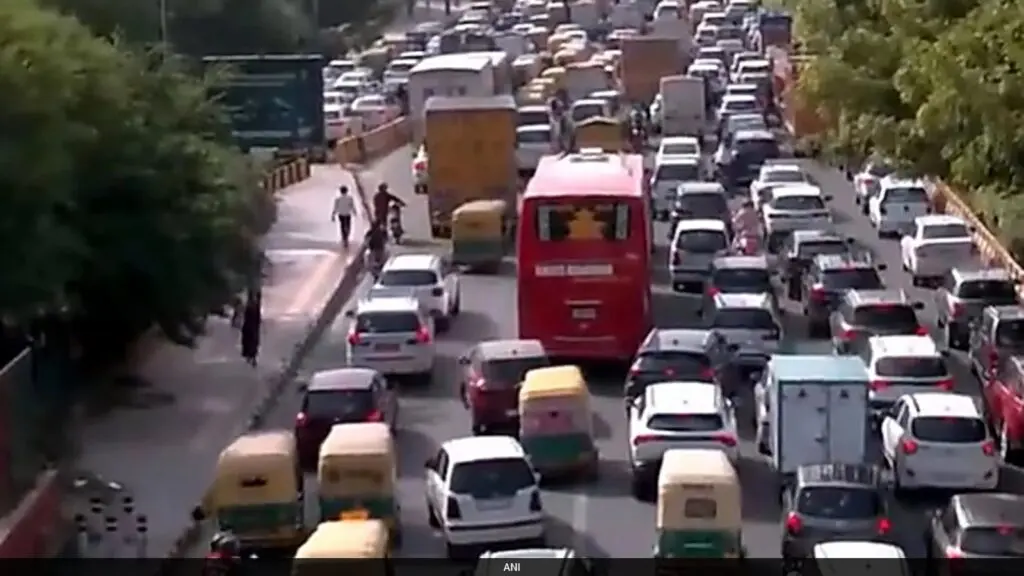
Delhi’s Master Plan 2047 proposes congestion pricing in high-traffic zones, alongside dynamic parking charges and restrictions on public parking. The DDA approved the plan on August 12 and sent it to the Union housing ministry for final approval and notification. A charge cannot begin without a separate Delhi government policy, agency coordination and decisions on rates and exemptions. Possible zones include transit-oriented development areas, the Walled City Heritage Zone and the Metropolitan City Centre. RFID-based vehicle identification is being considered.

The plan also permits taller and denser construction, with a proposed High Density Corridor along a 75-km stretch of UER-II. Eligible projects could have a floor area ratio of 400, with 20% reserved for affordable housing. The corridor covers a 250-metre strip on either side of the road, subject to access and land requirements.
The Indian Opinion
Claims that the plan is simply a tax on motorists miss its wider design, while promises of compact, walkable growth can also become an excuse for unchecked construction. Congestion pricing needs reliable public transport, transparent exemptions and visible use of revenue. Higher density along UER-II must come with water, sewage, roads, footpaths and affordable homes. The first test is whether the government publishes the charge, affected zones and agency responsibilities before collecting a rupee.
Sources (3): hindustantimes.com, timesofindia.indiatimes.com, timesofindia.indiatimes.com (2)
This story was synthesised by AI from the 3 sources linked above.
Updated: this story now draws on 3 sources.