














Now Reading: Delhi-Meerut Expressway to pilot time-based speed limits from 15 August
-
01
Delhi-Meerut Expressway to pilot time-based speed limits from 15 August


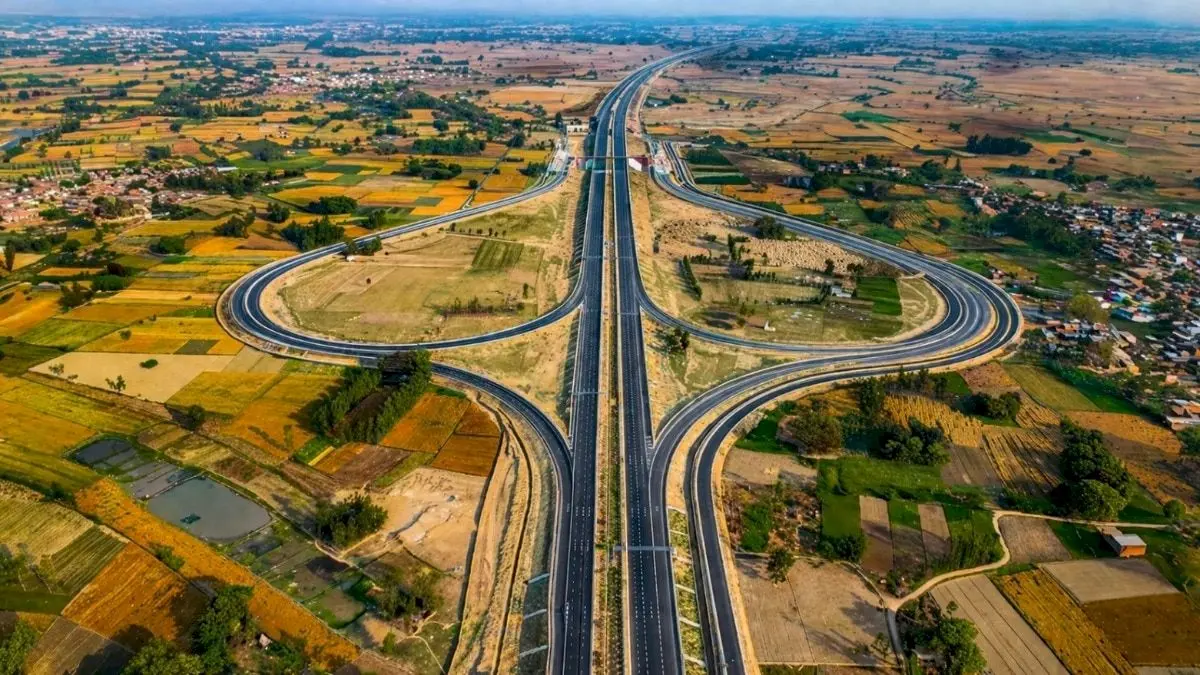
From 15 August, India Today reported, the Delhi-Meerut Expressway's Delhi stretch between Akshardham and Sarai Kale Khan becomes the site of a National Highways Authority of India pilot testing speed limits that…
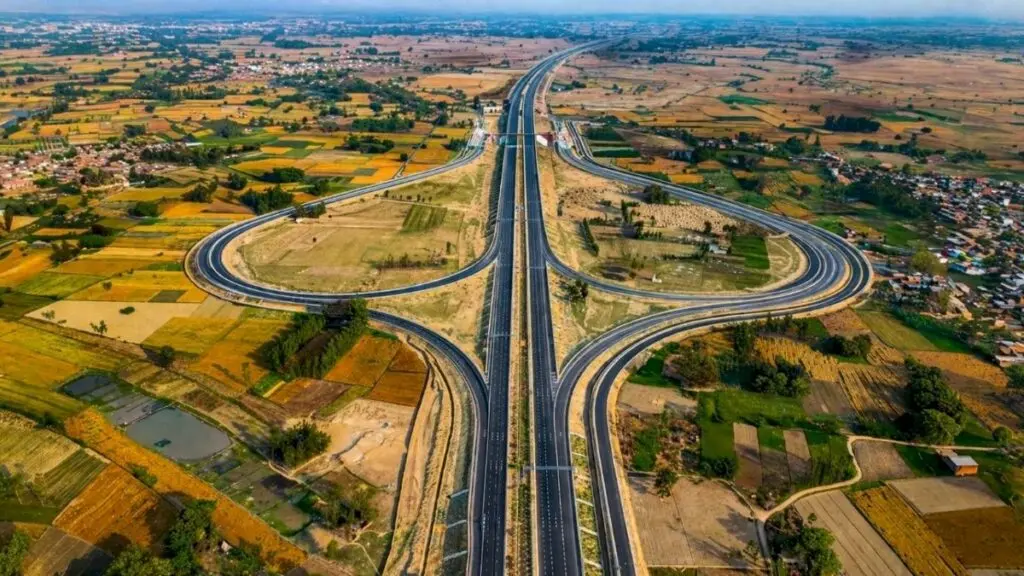
From 15 August, India Today reported, the Delhi-Meerut Expressway's Delhi stretch between Akshardham and Sarai Kale Khan becomes the site of a National Highways Authority of India pilot testing speed limits that change through the day, with Delhi Traffic Police monitoring compliance and taking action against motorists found overspeeding. Existing speed signboards on the expressway have been covered or blurred, and a Delhi Traffic Police officer said two digital variable speed limit display boards have been installed on foot overbridges near Akshardham temple and the Pandav Nagar FOB, another officer said speed detection cameras would also be installed to automatically enforce the limit displayed at a particular time. Cars face a 65 kmph cap overnight, dropping to 55 kmph between 7 am and 5 pm and rising to 60 kmph in the evening, heavy vehicles are capped lower, at 50, 45 and 40 kmph across the same three windows. Central Road Research Institute sensors and IIT Roorkee researchers are to assess the project's actual effect after three months.
Indian Opinion Analysis
Every substantive quote in the report comes from people running or policing the pilot. Satish Chandra of IIT Roorkee, who calls the scheme the first such project in the country, says researchers studied 24-hour traffic data of the expressway over the past few months before deciding on these limits, while a Delhi Traffic Police officer said that the limits were based entirely on a scientific traffic study carried out by another department and that the force's role is to monitor compliance. No congestion or accident results appear anywhere in it, because the data has not been collected yet. Chandra said researchers will collect data after an interval of three months and assess the project's actual effect on the ground, which is when these claims can first be tested.
Source: www.indiatoday.in
This brief was synthesised by AI from the source linked above.