


















Now Reading: Delhi doctors see GI cancer patients as young as 15
-
01
Delhi doctors see GI cancer patients as young as 15


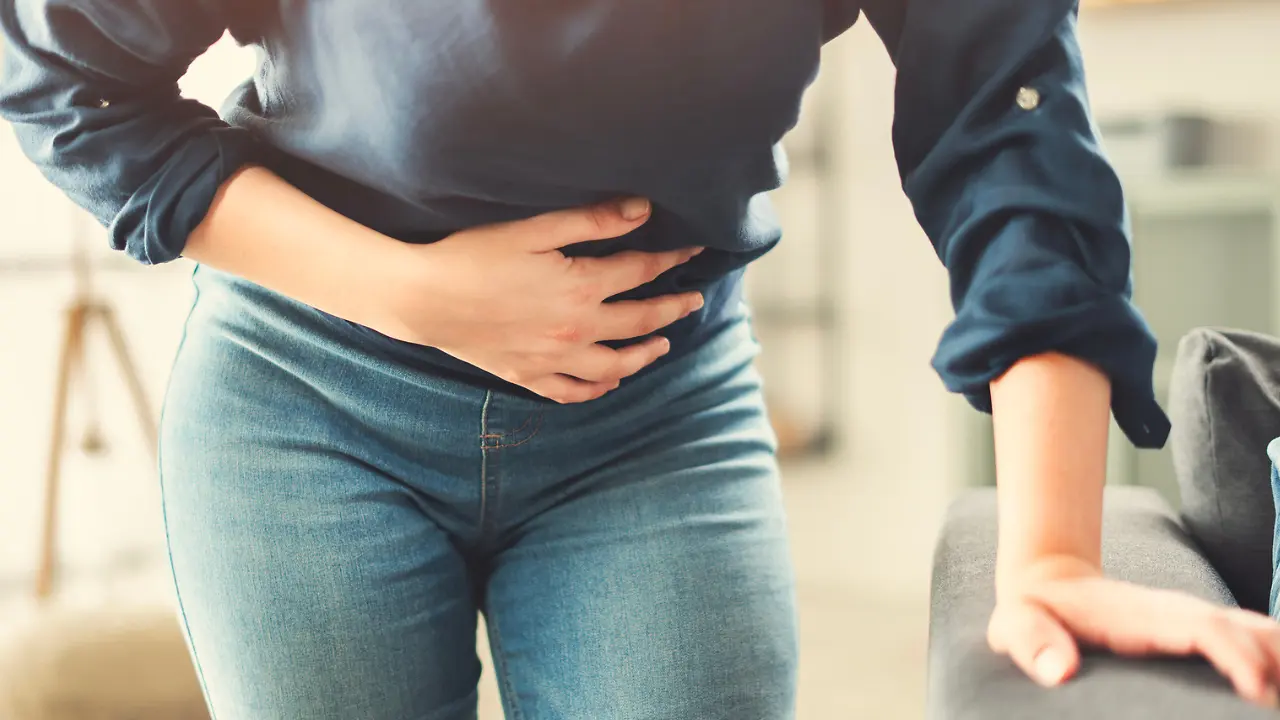
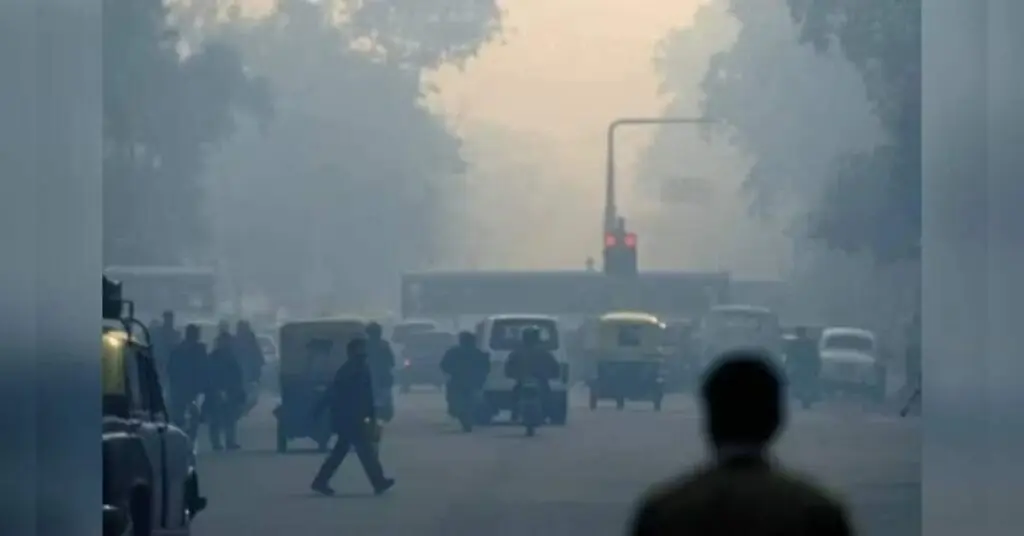
Oncologists at Sir Ganga Ram Hospital in Delhi are reporting gastrointestinal (GI) cancer patients as young as 15, raising questions about whether prolonged air pollution exposure may be contributing to cancer risk in younger people. The cases were highlighted at an international conference on colorectal and other GI cancers organised by the hospital and the UK's The Christie NHS Foundation Trust on 10 and 11 October.
Dr Shyam Aggarwal, chairperson of medical oncology at the hospital, said his department was seeing new GI cancer patients as young as 15, which was uncommon in 2021. A systematic review published in Epidemiologic Reviews in January 2026, examining 70 studies, found that long-term PM2.5 exposure was associated with higher mortality from GI cancers, with the strongest link for colorectal cancer. However, doctors caution that while outdoor air pollution is classified as carcinogenic to humans by the International Agency for Research on Cancer, the evidence does not prove pollution caused these individual cases. The findings call for more India-specific investigation into environmental exposures, including ground-level ozone.
Indian Opinion Analysis
Both outlets report the same medical observation, doctors at Sir Ganga Ram Hospital seeing GI cancer patients as young as 15, but frame the pollution link differently. The Times of India leads with the patient vignette and immediately cautions that the science needs careful reading, devoting substantial space to explaining that population-level associations do not prove individual causation. It also highlights ground-level ozone, a pollutant the other outlet does not discuss. Times Now runs the story more as a news feature, foregrounding the 15-year-old patient and the air pollution question early, with expert quotes that reinforce the uncertainty but also the concern. Where the Times of India explicitly states that the evidence does not prove pollution caused these cancers, Times Now reports the same caveat but embeds it lower in the piece.
Coverage: 2 sources, 2 neutral
Sources (2): timesnownews.com (neutral report), timesofindia.indiatimes.com (neutral report)
This brief was synthesised by AI from the 2 sources linked above, so one read covers every framing they carry. Methodology and corrections.