











Now Reading: US Road Dust Retains Toxic Metals From Past Industrial Activity
-
01
US Road Dust Retains Toxic Metals From Past Industrial Activity



A University of Virginia-led study found toxic metals in road dust across seven eastern US cities, including Trenton, Wilmington, Richmond, Raleigh, Greensboro, Charleston and Augusta. Researchers tested samples from streets, parks, schoolyards…
The Story in Brief
A University of Virginia-led study found toxic metals in road dust across seven eastern US cities, including Trenton, Wilmington, Richmond, Raleigh, Greensboro, Charleston and Augusta. Researchers tested samples from streets, parks, schoolyards and industrial areas for 11 elements, including lead, arsenic and cadmium. They linked about one-third of hazardous metal pollution to older sources such as coal burning and metal-based pesticides. The remaining share came from current activities, including traffic, waste incineration, ports and industry.
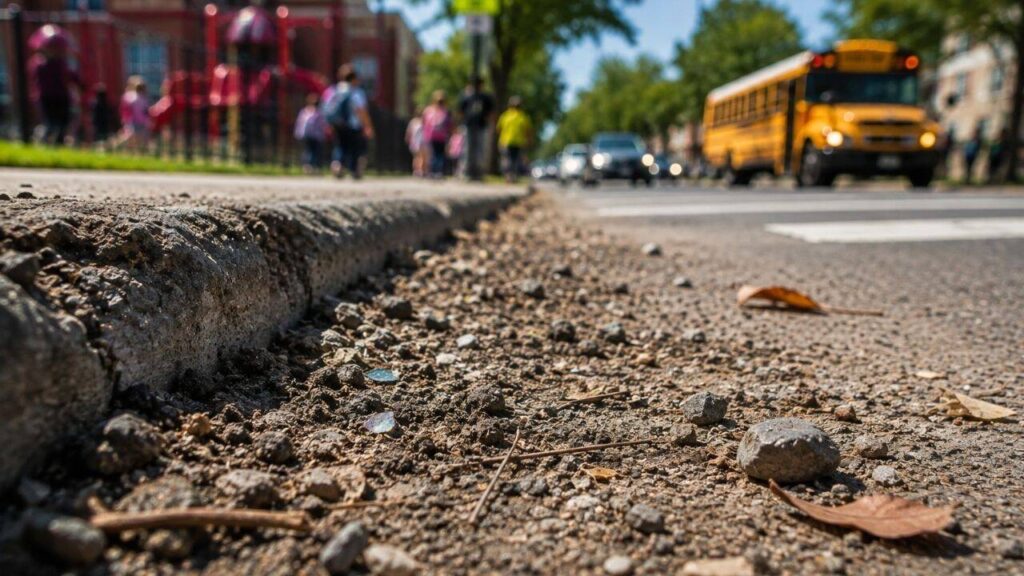
Children faced an estimated cumulative hazard index 4.5 times higher than adults, partly because of outdoor play and hand-to-mouth contact. Augusta recorded the highest potential health concern, while some lead hotspots above US screening guidelines occurred in lower-income neighbourhoods. The study also found finer dust particles in Trenton, Raleigh and Greensboro, which can be inhaled.
The Indian Opinion
The lazy claim that every urban pollution problem belongs either to history or to traffic misses the study’s central finding: both sources matter. Nor does a higher child exposure estimate prove that illness has occurred. It points to where monitoring and basic dust-control measures deserve attention. The useful test is whether follow-up sampling reduces lead and fine-particle levels at the reported hotspots, especially around schools and parks.
Source: timesofindia.indiatimes.com
This story was synthesised by AI from the source linked above.