


















Now Reading: Delhi power subsidy skewed, rich gain more, CAG flags Rs 27,200 crore debt
-
01
Delhi power subsidy skewed, rich gain more, CAG flags Rs 27,200 crore debt

Delhi power subsidy skewed, rich gain more, CAG flags Rs 27,200 crore debt


The Comptroller and Auditor General (CAG) has found Delhi's power subsidy scheme disproportionately benefits wealthier households and wastes crores on inactive accounts. Over 16.6 lakh consumers in higher consumption brackets received an…
The Story in Brief
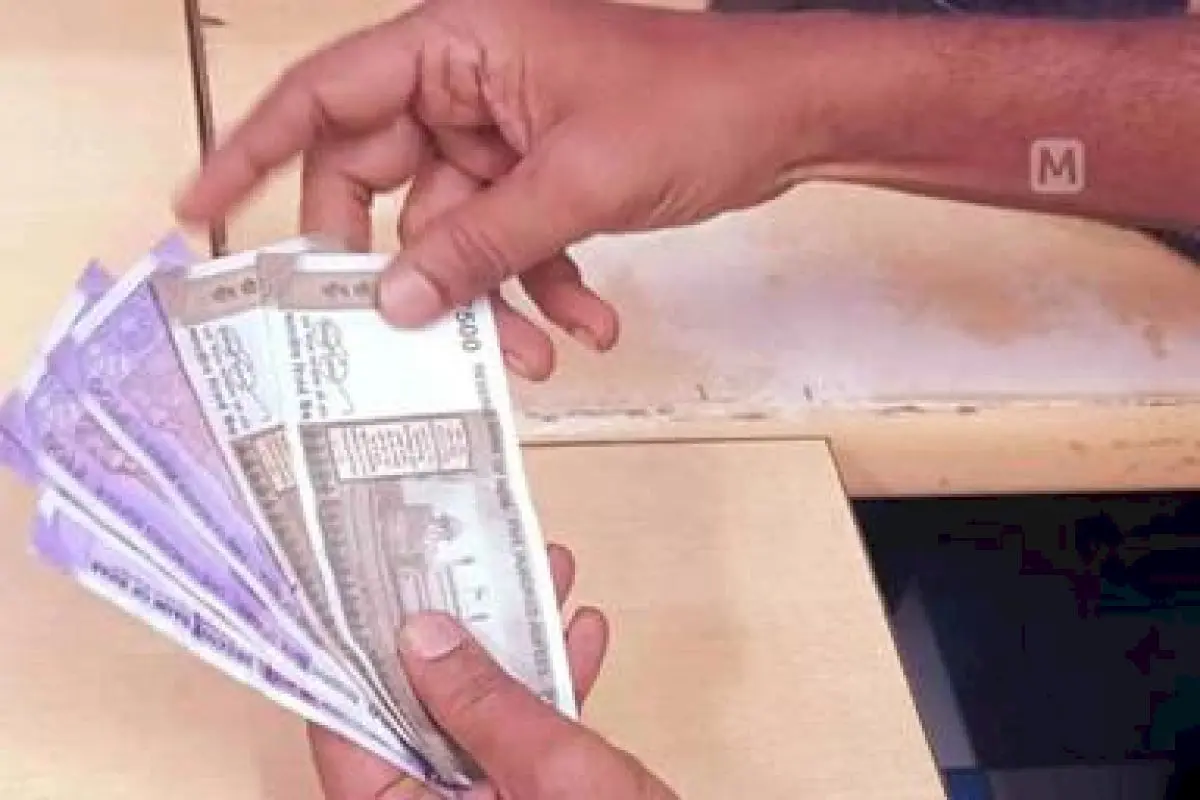
The Comptroller and Auditor General (CAG) has found Delhi's power subsidy scheme disproportionately benefits wealthier households and wastes crores on inactive accounts. Over 16.6 lakh consumers in higher consumption brackets received an average annual subsidy of over Rs 10,000, 70% more than the Rs 6,000 for 30 lakh low-usage households. The CAG also flagged Rs 42.26 crore paid to connections with zero consumption for months, calling it wasteful. Unrevised tariffs since 2014-15 have built up Rs 27,200 crore in regulatory assets, risking future tariff shocks.

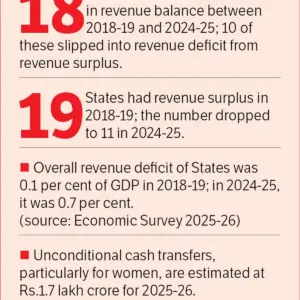
Separately, a CAG report on Delhi's finances showed the city's share of national GDP fell from 4% in 2015-16 to 3.67% in 2024-25. Per capita GSDP grew at 6.39% annually, below the national 8.14%. Revenue expenditure swallowed 88% of spending growth, while subsidies rose 172%, driven by a 129% jump in power subsidies. Capital expenditure dropped sharply from Rs 6,855 crore in 2023-24 to Rs 3,695 crore in 2024-25, constraining infrastructure investment.
The Indian Opinion
Both sides may seize on these numbers to score political points, one calling it proof of fiscal mismanagement, the other blaming central neglect. But the CAG's findings are technical, not partisan: an inverted subsidy that aids the well-off and dead accounts bleeding money. The real test is what the government does next. Will it adopt the CAG's recommendation to cap subsidy by sanctioned load, saving Rs 315 crore a year? And can it raise capital spending back to budgeted levels of Rs 28,115 crore without resorting to more borrowing?
Sources (2): english.mathrubhumi.com, economictimes.indiatimes.com
This story was synthesised by AI from the 2 sources linked above.
Updated: this story now draws on 2 sources.