






Now Reading: Delhi Ridge’s 1857 battle sites mark independence story
-
01
Delhi Ridge’s 1857 battle sites mark independence story


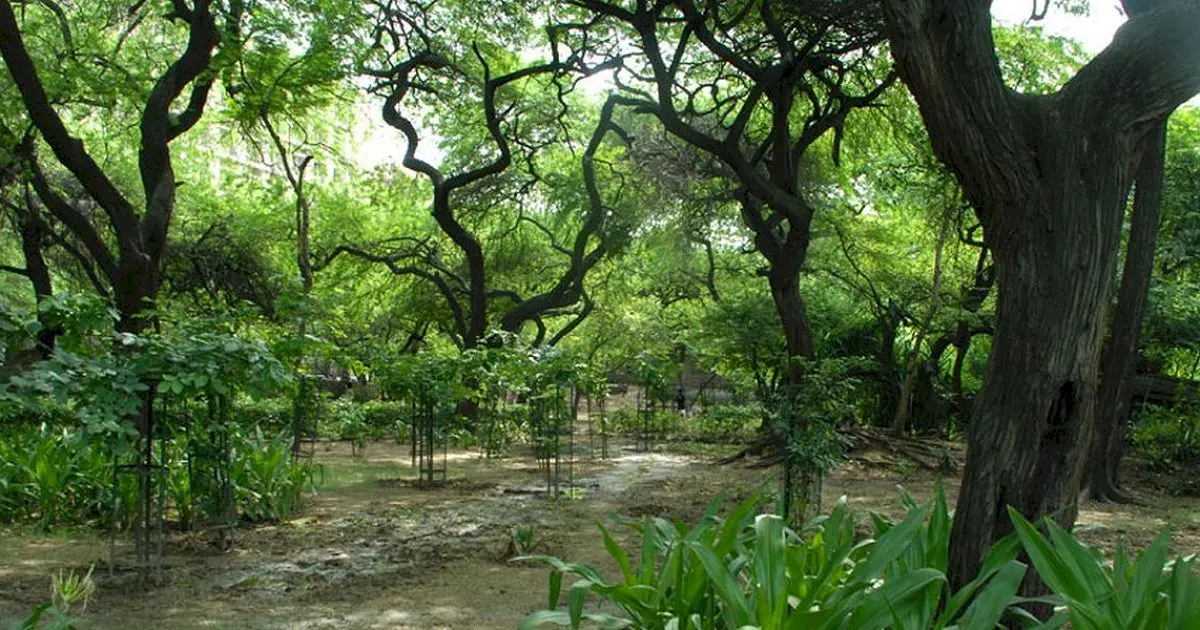
Delhi's Ridge, now a quiet green stretch near Delhi University, was a crucial British military position during the 1857 mutiny. Historian Swapna Liddle told PTI that the Flagstaff Tower served as a…
The Story in Brief
Delhi's Ridge, now a quiet green stretch near Delhi University, was a crucial British military position during the 1857 mutiny. Historian Swapna Liddle told PTI that the Flagstaff Tower served as a signal point, while Hindu Rao's house and Chauburji Mosque were used as batteries. The British also used Pir Ghaib, a 14th-century observatory built by Firoz Shah Tughlaq, as their command headquarters, historian Sohail Hashmi said.
Local lore says Khooni Jheel, a water-filled depression, turned red from the violence. The Mutiny Memorial, built in 1863, commemorates British soldiers killed in the conflict. Ecologist Ekta Khurana said the Ridge's flora was altered when the British introduced fast-growing invasive species to create quick greenery around their Civil Lines settlements.
The Indian Opinion
The Ridge story shows how history and ecology can be twisted by power. The British made this battleground look 'sophisticated' with invasive trees, just as colonial narratives turned a rebellion into a 'mutiny'. Indian readers should push back on the one-sided memorialisation: the Mutiny Memorial honours only British dead, while Indian fighters remain unnamed. A concrete test: how many plaques on the Ridge today mention the rebel sepoys who died there? That silence tells its own story.
Source: rediff.com
This story was synthesised by AI from the source linked above.