




















Now Reading: Jinnah struck forehead, said ‘What have I done?’
-
01
Jinnah struck forehead, said ‘What have I done?’


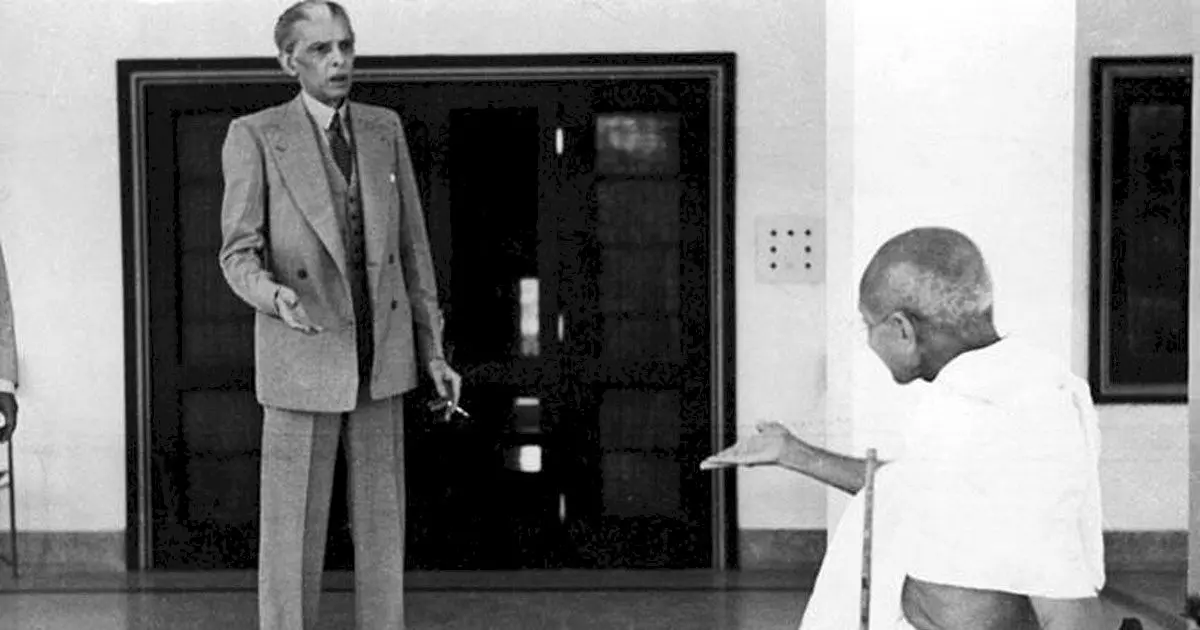
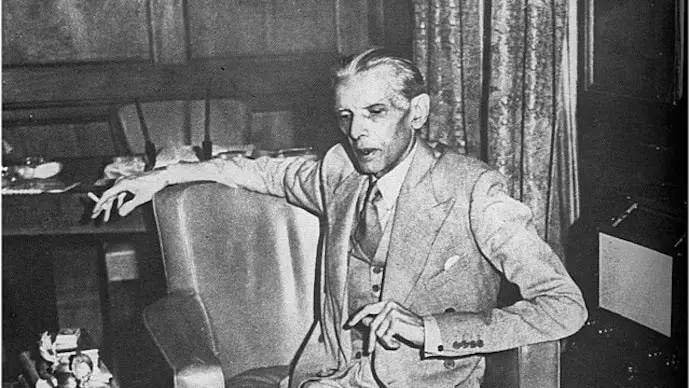
Journalist Kuldip Nayar's autobiography 'Beyond the Lines' recounts that Muhammad Ali Jinnah, after seeing streams of refugees from a Dakota aircraft over Punjab in August 1947, struck his forehead and said in…
The Story in Brief
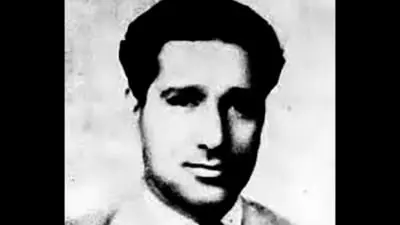
Journalist Kuldip Nayar's autobiography 'Beyond the Lines' recounts that Muhammad Ali Jinnah, after seeing streams of refugees from a Dakota aircraft over Punjab in August 1947, struck his forehead and said in despair, 'What have I done?' The account, shared by Mazhar Ali Khan's wife Tahira long after his death, describes Jinnah's shock at the scale of displacement. Both Iftikhar-ud-din and Mazhar had reportedly vowed not to repeat the remark.
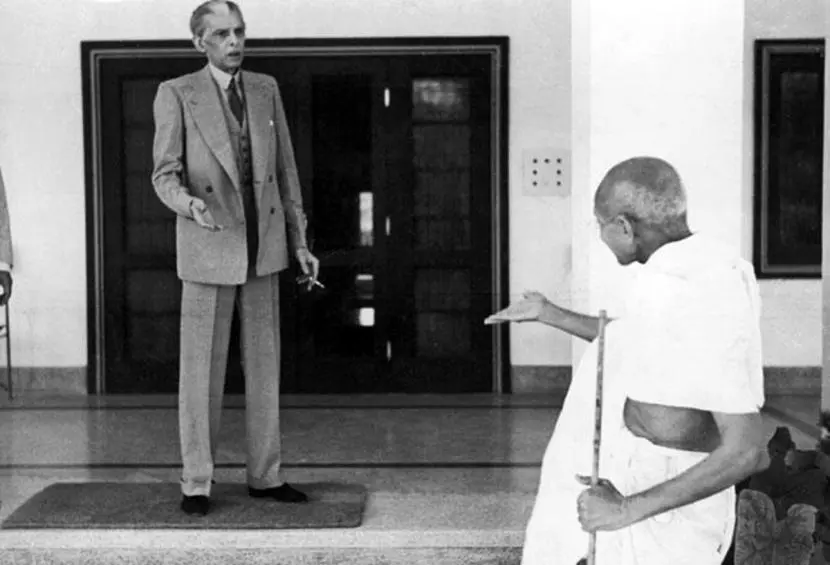
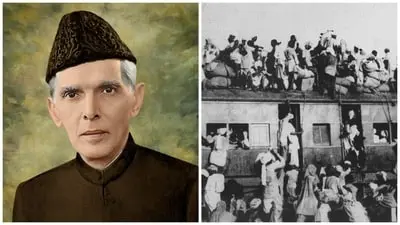
Nayar himself witnessed the horror while migrating from Sialkot to Delhi. He wrote of corpses lying on both sides of the road and empty suitcases and bags testifying to looting. Around 1.5 crore people were displaced and an estimated 5-10 lakh killed during Partition. August 14 is observed in India as Partition Horrors Remembrance Day.
The Indian Opinion
The reported regret of Jinnah is often wielded to either burden him alone with Partition's bloodshed or to whitewash his role as a reluctant leader. Both narratives oversimplify. Partition was the outcome of decades of political rivalry, British policies and communal polarisation, not one man's decision. Yet the sight of fleeing millions clearly shook the founder of Pakistan, as much as it did ordinary survivors like Nayar. The real test lies in how India and Pakistan remember this trauma: as a warning against division or as a political tool.
Sources (2): rediff.com, hindustantimes.com
This story was synthesised by AI from the 2 sources linked above.
Updated: this story now draws on 2 sources.