












Now Reading: Democracy’s street-to-statute link is breaking, argues Hindustan Times
-
01
Democracy’s street-to-statute link is breaking, argues Hindustan Times


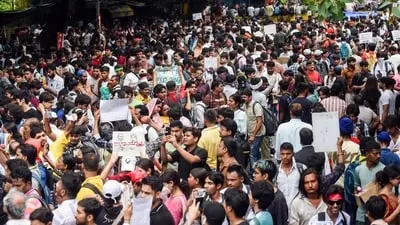
A Hindustan Times opinion piece argues that India's representative democracy is failing to convert public protest into legislative change. The article points to recent protests, from NEET aspirants in Chennai to party workers in Delhi, noting that while they often secured immediate concessions such as exam cancellations, the underlying grievances remain unresolved.
The piece contends that India's political system has become adept at turning anger into spectacle but poor at turning dissent into law. It blames 24-hour news media and algorithmic social media for rewarding confrontation over committee work, and says executive dominance has narrowed the Opposition's room to manoeuvre.
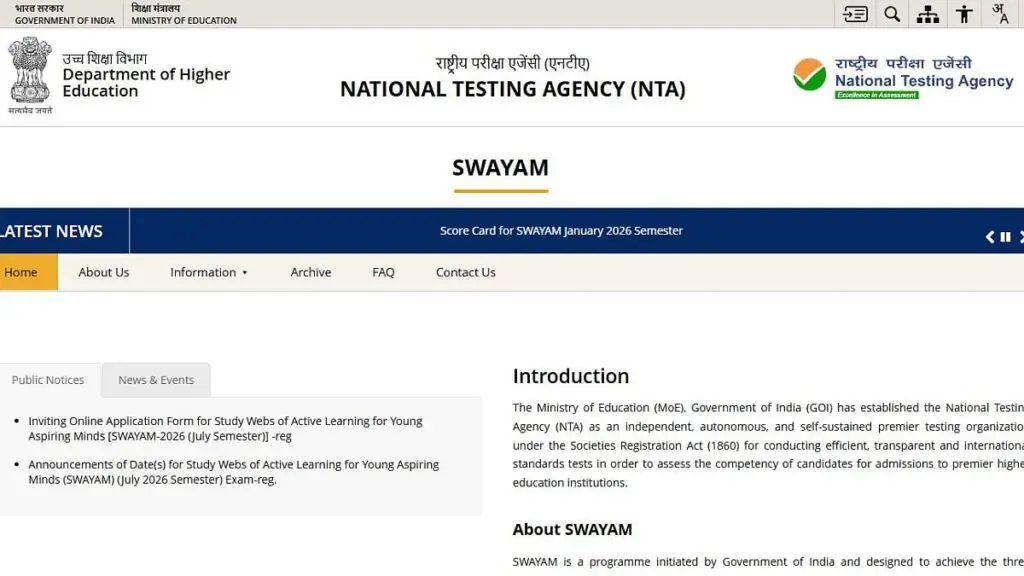
Using the NEET paper leak as an example, the article notes that after two years and repeated controversies, a sustained legislative effort to strengthen examination governance is still absent. It suggests requiring ministries to table written responses to nationally significant protests and creating a public scorecard to track which parties pursue legislation versus mere demonstrations.
Indian Opinion Analysis
The column diagnoses a structural gap in Indian democracy that goes beyond any single party or government. The NEET case is instructive: while protests forced the cancellation of exams in 2024 and again this year, the underlying examination governance framework has seen no statutory reform. The National Testing Agency remains under executive control with limited parliamentary oversight. The piece's proposed solution, a mandated parliamentary response to major protests, would require amending the Rules of Procedure and Conduct of Business in Lok Sabha, which is typically driven by the government. The practical question is whether any ruling coalition would voluntarily create a mechanism that institutionalises opposition pressure. The next test comes when the monsoon session begins in July: watch whether the government tables any bill addressing examination governance or merely lets the issue fade again.
Source: hindustantimes.com
This story was synthesised by AI from the source linked above. Methodology and corrections.