








Now Reading: Student protests put economy, accountability at centre
-
01
Student protests put economy, accountability at centre


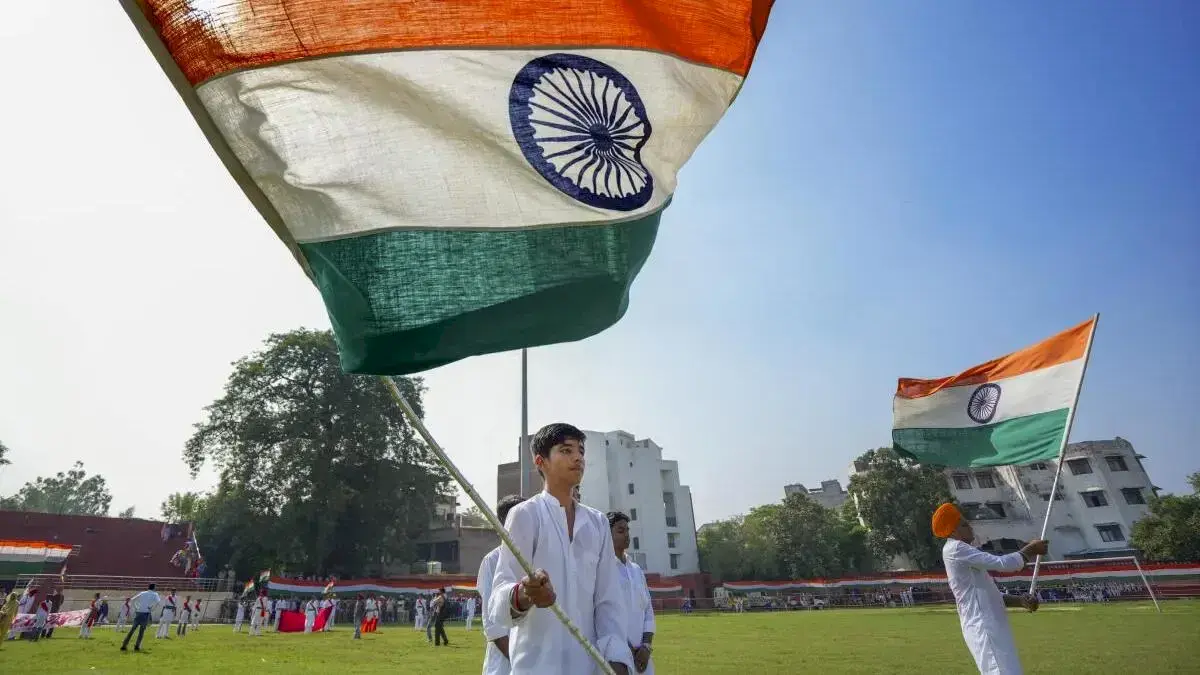
In the past month, student-led protests have shifted India’s public conversation from religious and nationalist themes to economic concerns such as unemployment, rising living costs, and education quality, writes Frontline. The protests…
The Story in Brief
In the past month, student-led protests have shifted India’s public conversation from religious and nationalist themes to economic concerns such as unemployment, rising living costs, and education quality, writes Frontline. The protests demand accountability for systemic failures like paper leaks and corruption. Even diehard supporters of the Modi government now concede a loss of public goodwill, the report says. India’s GDP per capita of $2,800 trails Bangladesh, Thailand, Vietnam, and the Philippines. Food inflation rose 5.5% and transport inflation above 7% in July, while household debt is climbing and savings falling. The protests have also exposed deep public distrust of mainstream media, which many see as compromised.
The Indian Opinion
The easy narrative is that these protests are a flash in the pan or a political stunt by opposition-aligned groups. Yet the breadth of public support, from students to parents, suggests genuine middle-class distress over jobs, inflation, and a broken exam system. The government’s past tactic of labelling protesters as anti-national has failed this time. The real test is whether Delhi will now reform examination oversight and create jobs, or continue to clamp down on digital dissent. The next budget will reveal its priority.
Source: frontline.thehindu.com
This story was synthesised by AI from the source linked above.