













Now Reading: Digital amnesia: Is your phone making you forget?
-
01
Digital amnesia: Is your phone making you forget?


A recent incident where a friend could not recall a single phone number after leaving her phone at home highlights a growing phenomenon called digital amnesia, writes Sharada in The Hindu. Researchers…
The Story in Brief
A recent incident where a friend could not recall a single phone number after leaving her phone at home highlights a growing phenomenon called digital amnesia, writes Sharada in The Hindu. Researchers say when people know information can be retrieved instantly from a device, the brain makes less effort to remember it. The author observes young people interrupting conversations to search for facts they likely know, colleagues looking up numbers dialled for years, and children depending on GPS for familiar routes.
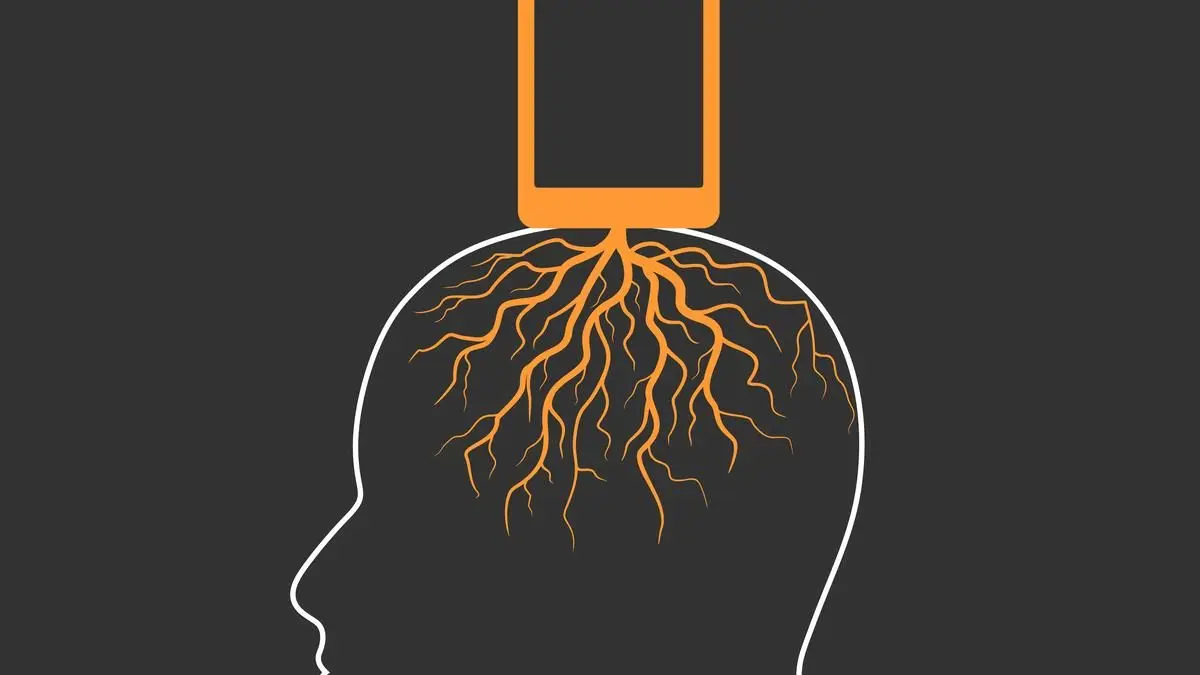
The human brain, the article argues, now treats smartphones as an extension of its memory. Names are forgotten, conversations lose personal depth, and relationships suffer. The author asks whether some memories, phone numbers of loved ones, names, routes, a few poems, should never be outsourced to a device.
The Indian Opinion
The 'Google effect' is real, but critics often frame it as a catastrophe for human intellect. The ordinary Indian reader has seen this before: fear that radio, TV, or the printed book would rot the mind. The test is not whether we remember numbers, but whether we still choose to listen, to call, to visit without a screen as intermediary. Watch how many people this Deepavali dial a number from memory, without reaching for the phone's contacts list. That number will settle the question.
Source: thehindu.com
This story was synthesised by AI from the source linked above.