













Now Reading: The Hindu satirises Delhi’s honking as city-wide orchestra
-
01
The Hindu satirises Delhi’s honking as city-wide orchestra


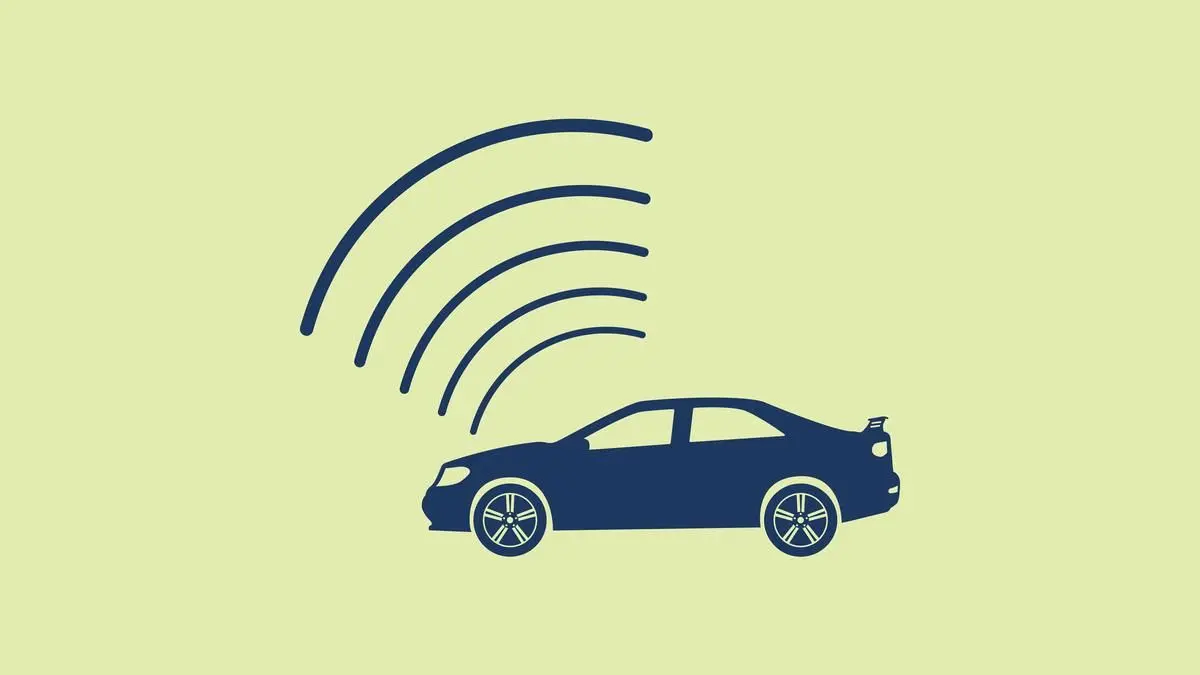
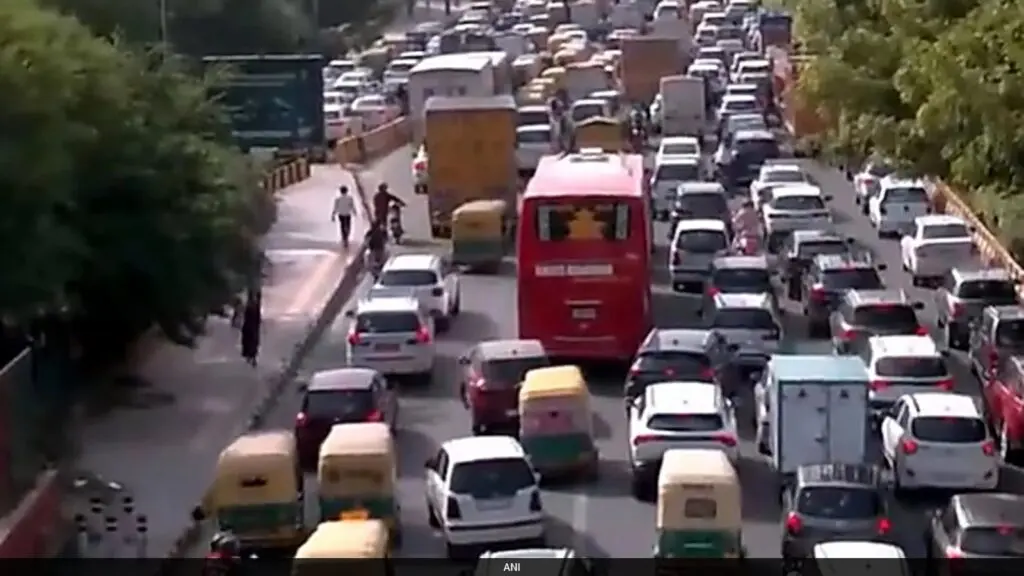
A humorous essay in The Hindu lampoons Delhi's relentless honking, describing it as a language and coping mechanism. The writer identifies three driver types: those with no brakes, no accelerator, and those…
The Story in Brief
A humorous essay in The Hindu lampoons Delhi's relentless honking, describing it as a language and coping mechanism. The writer identifies three driver types: those with no brakes, no accelerator, and those whose vehicle runs almost entirely on the horn. One honk means 'Move', two mean 'Move faster', and a sustained blast expresses deep dissatisfaction with the nation. Signs saying 'No Honking' near schools and hospitals are treated as polite suggestions.
The author proposes installing horns with a 1,000-honk limit, after which recharging would become progressively expensive. The idea is to tax recreational honking, much like tobacco or plastic, and use the proceeds to fight noise pollution. The piece, written by Sunanda Bharti, was published on August 9, 2026.
The Indian Opinion
The essay's exaggeration is the point, but it feeds the lazy narrative that Delhi drivers are uniquely rude. The real problem is poor road design and lax enforcement; honking is often a survival instinct, not a choice. A concrete test will be whether traffic police actually fine violators around no-honking zones, and whether the decibel levels in those areas drop.
Source: thehindu.com
This story was synthesised by AI from the source linked above.