


















Now Reading: Diwali cash bonuses from employers taxable at salary rate
-
01
Diwali cash bonuses from employers taxable at salary rate



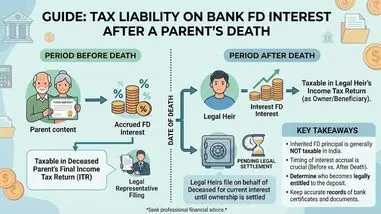
Diwali cash bonuses paid by employers are treated as salary income and taxed at the employee's applicable slab rate, according to income tax law. Gifts in kind from an employer, such as electronics, are tax-free only if their aggregate annual value is up to Rs 5,000. Any cash bonus or gift exceeding this limit is fully taxable.
Employees must report a Diwali cash bonus as salary in their income tax return, not as a separate exempt payment. For a bonus received on 1 November 2026, it must be reported in the return for AY 2027-28, covering income for FY 2026-27. Employers deduct TDS on salary and bonuses, and the additional payout may increase the employee's estimated tax liability.
Employees should verify their Form 16, payslips and tax portal records to see if the bonus is shown as salary. They can claim credit for TDS deducted against their PAN, and reconcile the TDS amount with forms before filing. If excess TDS was deducted, a refund may be claimed, if short, the employee must pay the balance.
Indian Opinion Analysis
The distinction between cash and non-cash gifts matters most for employees who receive both. Since the Rs 5,000 exemption is an aggregate annual limit for gifts in kind, an employee who receives a festival hamper in April and a gadget in October may inadvertently cross the threshold. The law leaves no room for a separate festive exemption, so the key figure to watch is the total value of non-cash gifts from the employer in a financial year. For cash bonuses, the tax treatment is straightforward: every rupee is salary.
Employees filing returns for AY 2027-28 must check whether their employer has already deducted TDS on the bonus in the relevant payroll period. Any mismatch between Form 16 and the tax department portal could delay a refund or trigger a demand.
Source: livemint.com
This brief was synthesised by AI from the source linked above. Methodology and corrections.