



















Now Reading: Tax audit deadline September 30: Reconcile AIS, TDS and GST figures
-
01
Tax audit deadline September 30: Reconcile AIS, TDS and GST figures



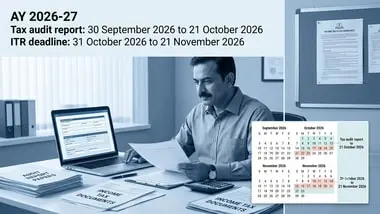
Taxpayers facing the September 30 tax-audit deadline should not assume that figures in their books, GST returns, Annual Information Statement, Taxpayer Information Summary and Form 26AS will match. Differences may result from…
Taxpayers facing the September 30 tax-audit deadline should not assume that figures in their books, GST returns, Annual Information Statement, Taxpayer Information Summary and Form 26AS will match. Differences may result from timing gaps, duplicate or incorrect reporting, or differing accounting treatment.

Taxpayers should reconcile turnover, income, transactions and tax credits with books, bank statements, certificates and other records. AIS and TIS entries are not automatically taxable income. TDS or TCS mismatches can follow incorrect PAN details, errors by deductors or delayed filings, and may lead to denied credit or an additional tax demand.
The tax audit report must also agree with the ITR on income, deductions, adjustments, brought-forward losses, unabsorbed depreciation and disallowances. Incorrect AIS data can be challenged through the AIS portal, while reporting errors should be corrected by the concerned entity before September 30.
Indian Opinion Analysis
India’s tax system increasingly cross-checks taxpayer declarations with information supplied by banks, employers, financial institutions and businesses. That makes documentation important even when a mismatch has an innocent explanation, because the taxpayer must be able to connect the entry to a source record. A mismatch can therefore become a compliance issue without itself proving that income was concealed. The practical priority is to preserve a clear reconciliation trail and resolve errors with the party that supplied the data. The September 30 tax-audit deadline is the next fixed compliance point.
Source: livemint.com
This brief was synthesised by AI from the source linked above.