






















Now Reading: Persistent bloating after meals may signal underlying disease
-
01
Persistent bloating after meals may signal underlying disease


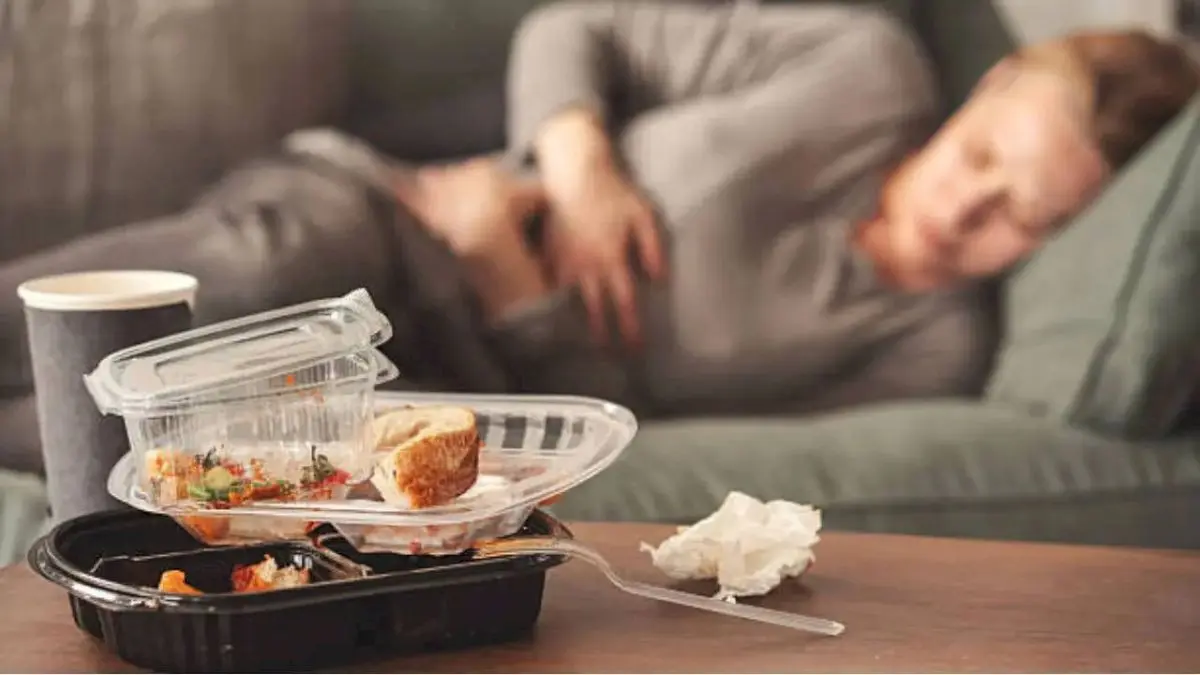
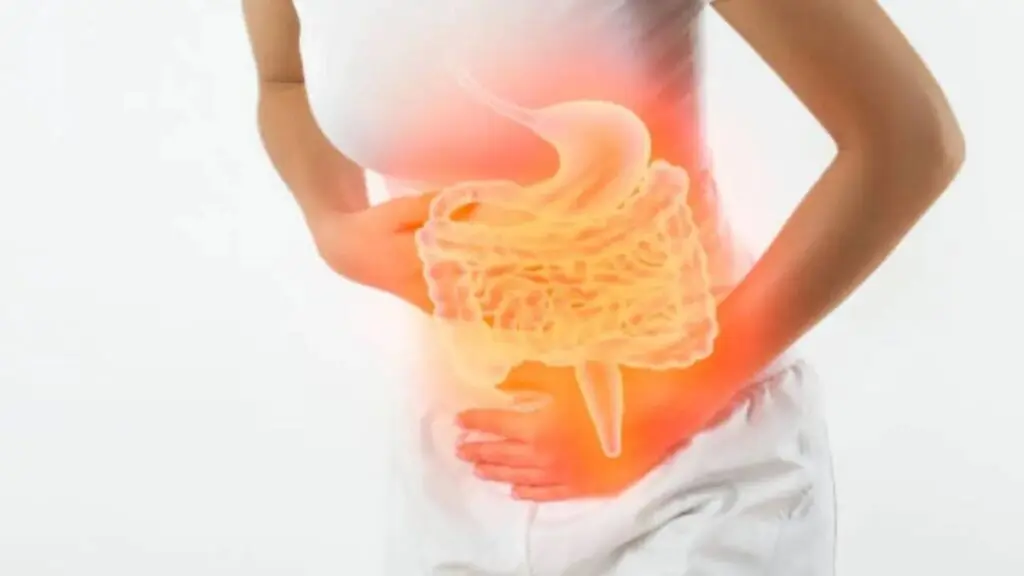
Doctors warn that frequent bloating after almost every meal should not be dismissed as normal. Dr Indraneel Kulkarni, consultant gastroenterologist at Saideep Sahyadri Hospital, says persistent bloating can be an early sign…
The Story in Brief
Doctors warn that frequent bloating after almost every meal should not be dismissed as normal. Dr Indraneel Kulkarni, consultant gastroenterologist at Saideep Sahyadri Hospital, says persistent bloating can be an early sign of an underlying digestive disorder, though occasional bloating from overeating or eating too quickly is common. Common triggers include fizzy drinks, processed foods, constipation, lactose intolerance, and IBS. Persistent bloating accompanied by unexplained weight loss, blood in stool, vomiting, or abdominal pain requires medical evaluation. Diagnosis may involve blood tests, stool tests, ultrasound, endoscopy, or colonoscopy.
Experts stress that consistent nourishment, eating slowly, limiting high-sodium and carbonated foods, and managing stress help reduce bloating. The New Indian Express notes that a strong immune system depends on regular balanced meals rather than single superfoods. Gradually increasing fibre intake while drinking adequate water allows digestion to adapt comfortably. Persistent bloating with warning signs should prompt a healthcare visit, not self-treatment.
The Indian Opinion
It is easy to shrug off bloating as just a 'heavy meal' or 'lady's problem,' but the medical advice here is clear: chronic bloating with red-flag symptoms like weight loss or bleeding needs a doctor. Social media often pushes quick-fix detoxes or probiotics as cures, yet experts say the real answer is boring: eat slowly, cut fizzy drinks, and rule out underlying conditions. The test to watch for is when a patient visits a gastroenterologist and gets an endoscopy or colonoscopy, that number will tell if early detection is working.
Sources (2): timesnownews.com, newindianexpress.com
This story was synthesised by AI from the 2 sources linked above.
Updated: this story now draws on 2 sources.