









Now Reading: Dogs can tell if you are scared or sad, brain scans show
-
01
Dogs can tell if you are scared or sad, brain scans show



A new study published in iScience found that dogs can distinguish between human emotions such as happiness, fear, anger, and sadness using brain scans. Researchers at the University of Vienna trained pet…
The Story in Brief
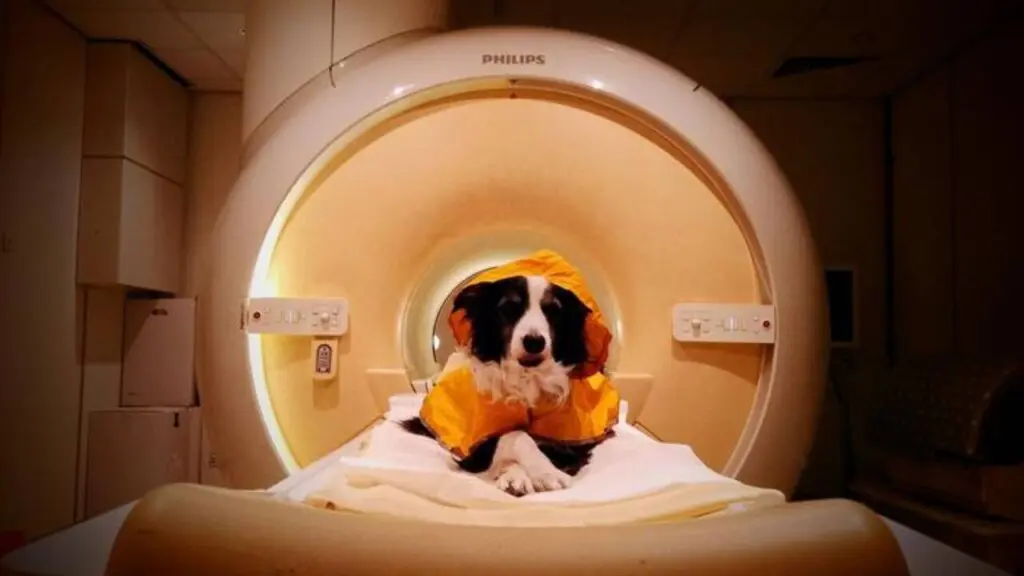
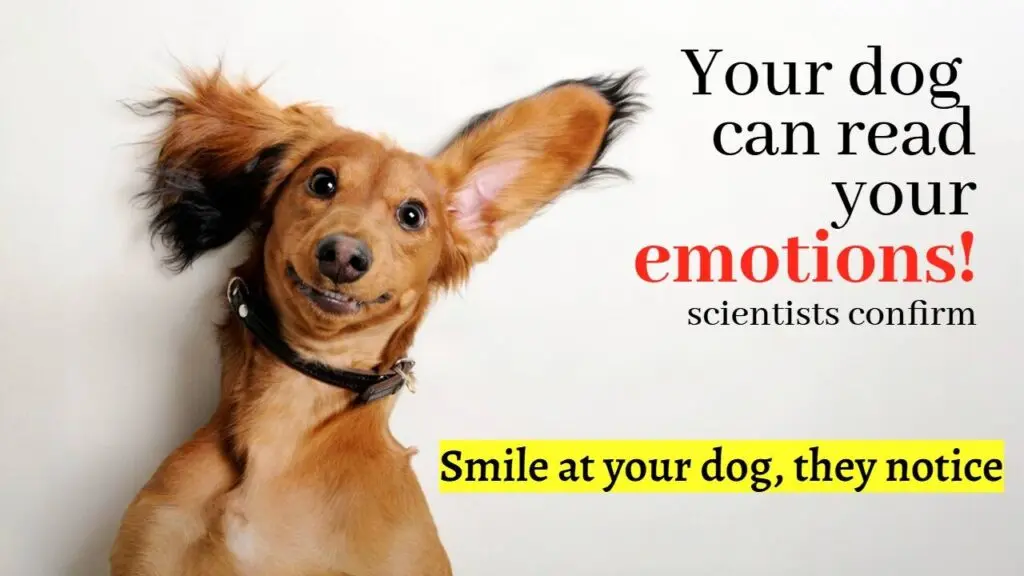
A new study published in iScience found that dogs can distinguish between human emotions such as happiness, fear, anger, and sadness using brain scans. Researchers at the University of Vienna trained pet dogs to lie still in fMRI machines and showed them photographs of strangers making different expressions. Machine learning analysis revealed that different brain regions lit up for each emotion, especially separating fear from anger and sadness. The caudate nucleus, linked to reward processing, showed a strong response to happy faces. The study included only 8 to 12 dogs, all from loving homes. The scientists stress that distinguishing an emotion does not mean dogs experience it the same way as humans.
The Indian Opinion
Dog-lovers may feel vindicated, but the study does not prove your pet feels what you feel. It shows dogs can tell happy from angry or sad faces, not that they share your joy or grief. The hype around this ignores two limits: the sample was tiny, and the dogs were pets, not street dogs who face very different human cues. A real test will be whether free-ranging dogs show the same brain response to human sadness.
Sources (2): timesofindia.indiatimes.com, livemint.com
This story was synthesised by AI from the 2 sources linked above.
Updated: this story now draws on 2 sources.