

















Now Reading: EC defends ECINet decentralisation amid row over voter roll control
-
01
EC defends ECINet decentralisation amid row over voter roll control


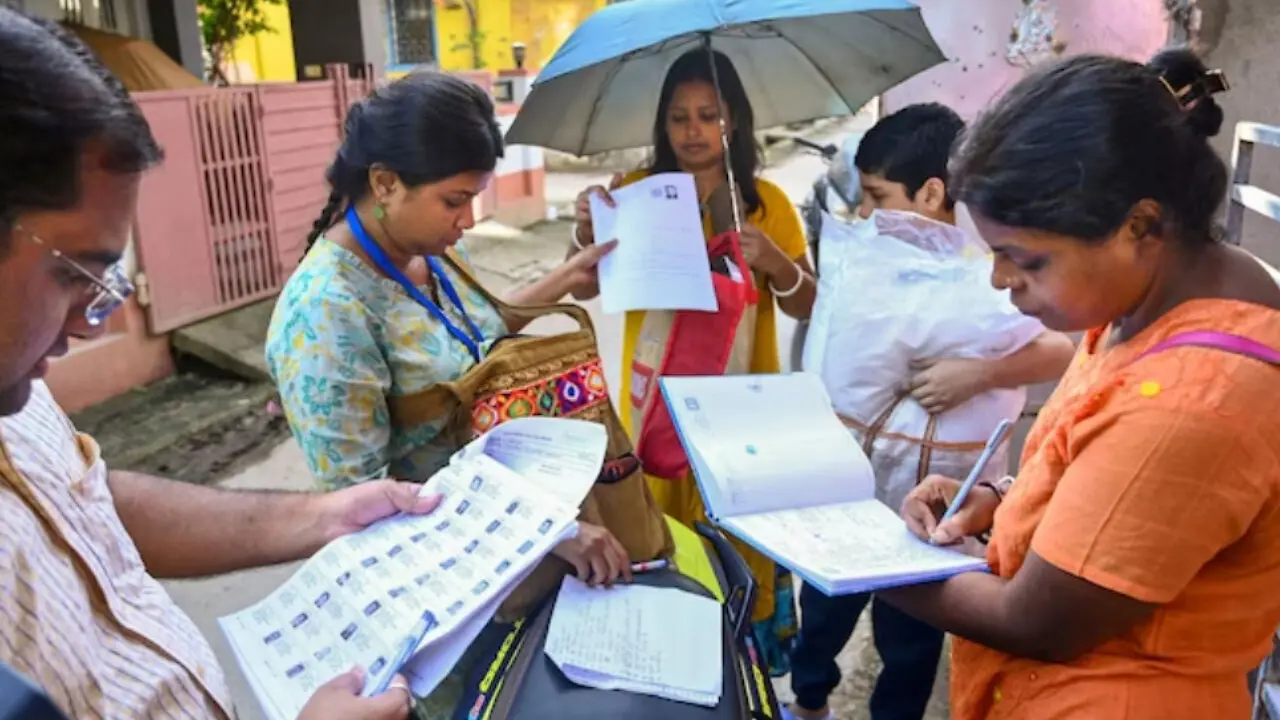
The Election Commission of India has clarified that its ECINet platform is decentralised, with statutory functions performed only by designated election officials and not by anyone at the poll body's headquarters. The…
The Election Commission of India has clarified that its ECINet platform is decentralised, with statutory functions performed only by designated election officials and not by anyone at the poll body's headquarters. The statement comes after an Indian Express report that Election Commissioners Sukhbir Singh Sandhu and Vivek Joshi raised concerns over the 'gradual centralisation' of the electoral roll database and the access available to officials in states. Times Now reports that the row has brought the EC's ERONET and ECINet systems into focus.
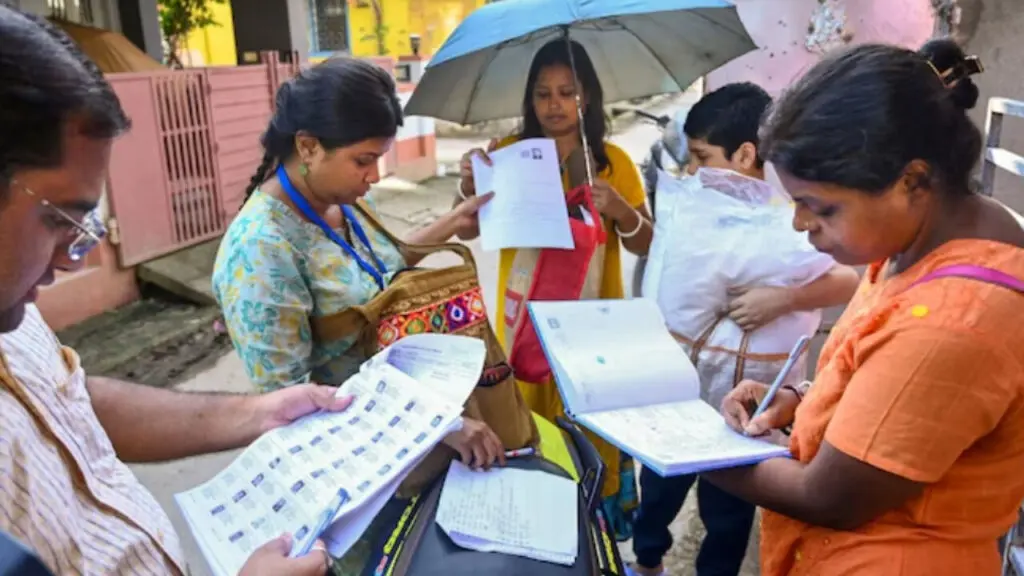
EC officials said booth-level officers and electoral registration officers use unique IDs and passwords on ECINet, while cybersecurity is centrally managed to counter malicious attacks, of which 68 lakh were recorded on counting day during assembly elections this year. India Today reports that the controversy also centres on Seema Khanna, the EC's Director General (IT), who oversees the systems. The report says Sandhu and Joshi questioned whether Khanna had the legal authority to restrict the access of electoral registration officers, citing an example from Goa where 97 voters could not be added due to database access issues.
The EC also defended the additional declaration sought from new voters during the Special Intensive Revision, citing a Supreme Court judgment that upheld the exercise. The issue has become political, with opposition parties alleging backend control of software could be used to influence voter rolls, though these claims are not established as facts.
Indian Opinion Analysis
All three sources report the same facts from the Indian Express investigation and the EC's clarification, making this straight reporting rather than a partisan split. The core tension is between statutory powers of field-level electoral registration officers and the centralised IT architecture managed from Delhi. The EC's defence rests on cybersecurity needs and a Supreme Court judgment upholding the SIR process. The Goa incident, where 97 approved voters could not be added due to software limitations, will test whether the system can be adjusted without compromising security. The matter now awaits further political or judicial scrutiny.
Coverage: 3 sources, 3 neutral
Sources (3): timesnownews.com (neutral report), rediff.com (neutral report), indiatoday.in (neutral report)
This brief was synthesised by AI from the 3 sources linked above, so one read covers every framing they carry.
Updated: this story now draws on 3 sources.