









Now Reading: ERONET and ECINet systems explained amid centralisation row
-
01
ERONET and ECINet systems explained amid centralisation row


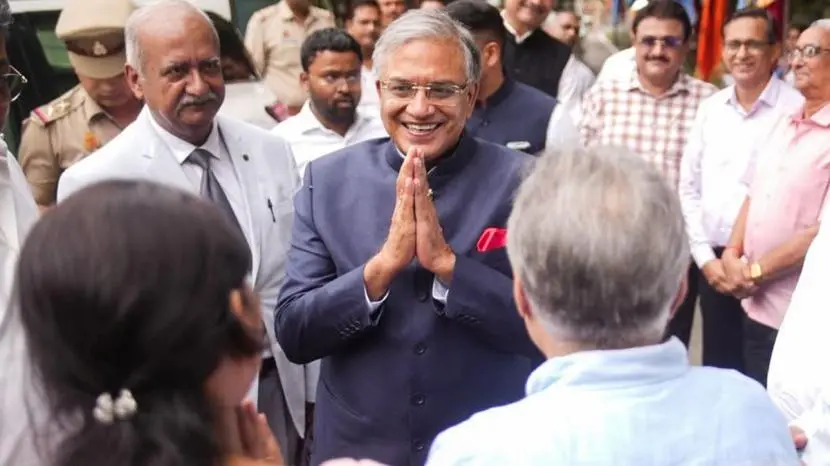
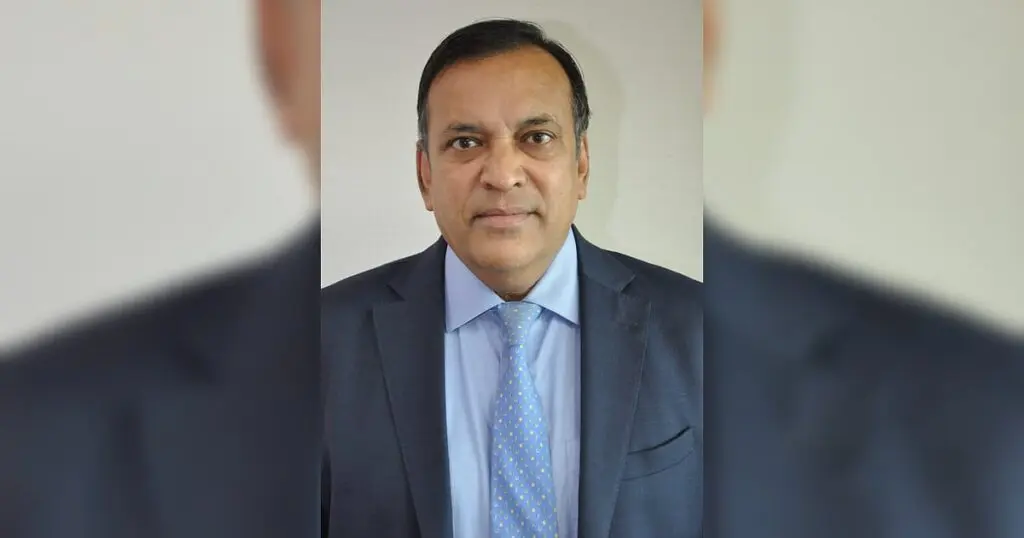
Election Commissioners Sukhbir Singh Sandhu and Vivek Joshi have raised concerns over the centralisation of India's voter database through ERONET and ECINet, according to a report in The Indian Express. The two…
Election Commissioners Sukhbir Singh Sandhu and Vivek Joshi have raised concerns over the centralisation of India's voter database through ERONET and ECINet, according to a report in The Indian Express. The two systems, managed by the Election Commission, are at the centre of a debate over how much control state election officials retain over electoral rolls.

ERONET is the back-end system for processing voter applications, while ECINet, launched on January 22, 2026, integrates over 40 EC services. The EC describes ERONET as a decision-support system for Electoral Registration Officers, who remain the statutory authority under the Representation of the People Act, 1950. An incident in Goa highlighted the issue: during a revision drive, EROs found 97 voters eligible for inclusion but the software did not allow restoring their names, as per the report.
The Goa CEO's office later sought a rollback option from EC officials. The row centres on whether the centralised software limits the statutory powers of state-level officers.
Indian Opinion Analysis
All three outlets report the same facts from The Indian Express investigation, with neutral framing. The core concern is not centralisation itself, which is a decade-old feature, but whether the ECINet platform restricts EROs from overriding software flags even after field verification. The Goa case of 97 voters whose names could not be restored is the concrete test of that claim. The EC has not publicly responded, making its next statement the key development to watch.
Coverage: 3 sources, 3 neutral
Sources (3): deccanherald.com (neutral report), rediff.com (neutral report), news.abplive.com (neutral report)
This brief was synthesised by AI from the 3 sources linked above, so one read covers every framing they carry.
Updated: this story now draws on 3 sources.