














Now Reading: ED Arrests Insolvency Professional Jitesh Gupta in Best Foods Case
-
01
ED Arrests Insolvency Professional Jitesh Gupta in Best Foods Case



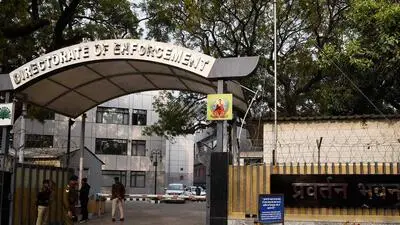
The Enforcement Directorate (ED) arrested insolvency professional Jitesh Gupta on Wednesday under the Prevention of Money Laundering Act in the Best Foods case. The ED alleges that Gupta, acting as Resolution Professional,…
The Story in Brief
The Enforcement Directorate (ED) arrested insolvency professional Jitesh Gupta on Wednesday under the Prevention of Money Laundering Act in the Best Foods case. The ED alleges that Gupta, acting as Resolution Professional, re-admitted spurious claims he had earlier rejected, altering the creditors’ committee. He then facilitated a resolution plan that acted as a front for Dinesh Gupta, the main accused, the agency says.
The ED’s investigation also found a banking trail of unexplained payments from Dinesh Gupta’s entities to Jitesh Gupta. The National Company Law Tribunal had already recorded adverse findings against Gupta in September 2025, directing his replacement. Gupta was produced before a special PMLA court, which remanded him to ED custody.
The Indian Opinion
The ED’s arrest of Jitesh Gupta has revived the familiar charge that the agency is a tool for corporate score-settling. But the facts here are specific: the NCLT itself had already found Gupta acted beyond his authority, re-admitting claims he had earlier rejected as fraudulent. This is not a case of hindsight or regulatory overreach. The real test will be whether the courts find that the unexplained bank transfers from Dinesh Gupta’s entities to Jitesh Gupta had a legitimate business purpose, or whether they were indeed the proceeds of crime.
Source: timesnownews.com
This story was synthesised by AI from the source linked above.