












Now Reading: Ethanol E20 default nationwide, but cost burden falls on consumers
-
01
Ethanol E20 default nationwide, but cost burden falls on consumers


India has achieved 20 percent ethanol blending in petrol, five years ahead of schedule, making E20 the default fuel at pumps across the country since April 2026. The government reports foreign exchange savings of over Rs 1.97 lakh crore since 2014-15 and payments of Rs 1.66 lakh crore into the farm economy. However, the ethanol programme now faces scrutiny over who bears the costs.
Ethanol carries about a third less energy per litre than petrol, yet E20 is sold at the same price as unblended fuel. The petroleum ministry admits a 3-5 percent fuel-economy loss, and Niti Aayog had recommended in 2021 that blended fuel be priced lower or tax relief be provided. Neither recommendation was implemented. The consumer pays twice: for the higher production cost and for less mileage.
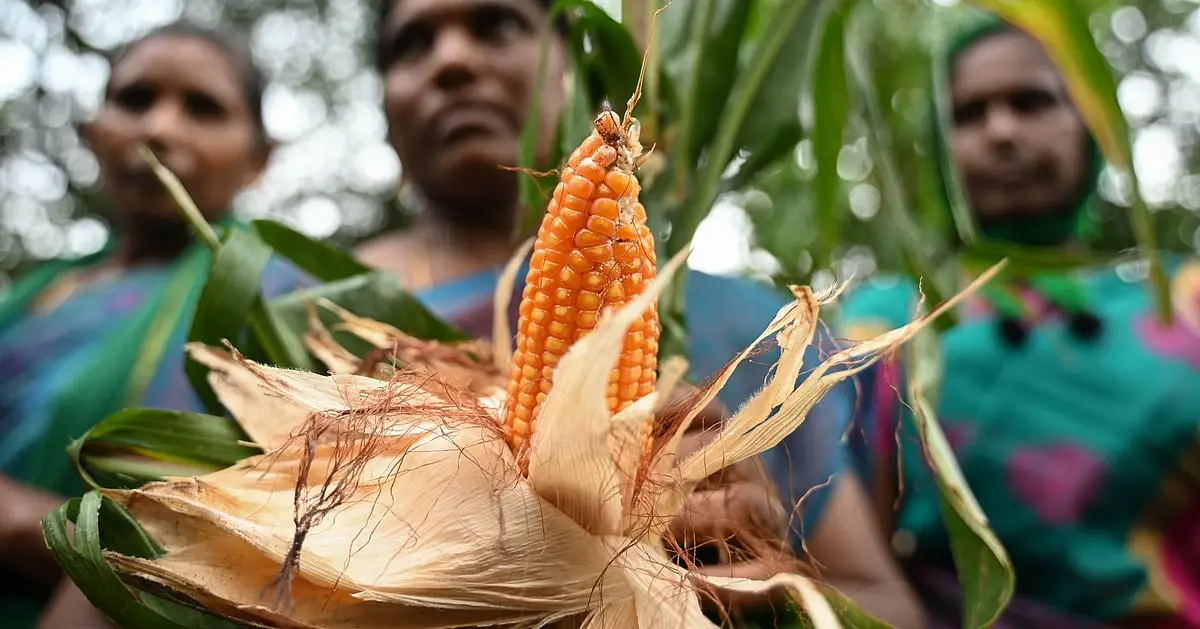
Despite the stated goal of benefiting farmers, agriculture ministry data shows maize, the largest ethanol feedstock, traded below its minimum support price every month from March 2025 to August 2026. Surplus FCI rice was made available to distilleries at low prices, undercutting demand for maize. The Rs 1.66 lakh crore flows to distilleries, not directly to farmers. The government has not disclosed the per-litre cost stack for E20, leaving unanswered the question of who benefits from the pricing.
Indian Opinion Analysis
The ethanol blending programme rests on a fundamental tension between energy security and fiscal equity. Oil marketing companies absorbed Rs 21,300 crore in under-recoveries between March and June 2026 alone, a cost that must eventually be recovered through pricing or taxes. The consumer, particularly the two-wheeler owner, effectively subsidises the ethanol value chain through a hidden efficiency tax. Without a published per-litre cost stack, Parliament and the public cannot verify whether the Rs 1.66 lakh crore routed through distilleries reaches farmers. The next test will be the kharif 2026 maize harvest: if mandi prices remain below MSP, the programme's distributive claim collapses.
Source: newindianexpress.com
This brief was synthesised by AI from the source linked above. Methodology and corrections.