















Now Reading: Ethanol push shifts croplands as government tightens fuel quality rules
-
01
Ethanol push shifts croplands as government tightens fuel quality rules

Ethanol push shifts croplands as government tightens fuel quality rules

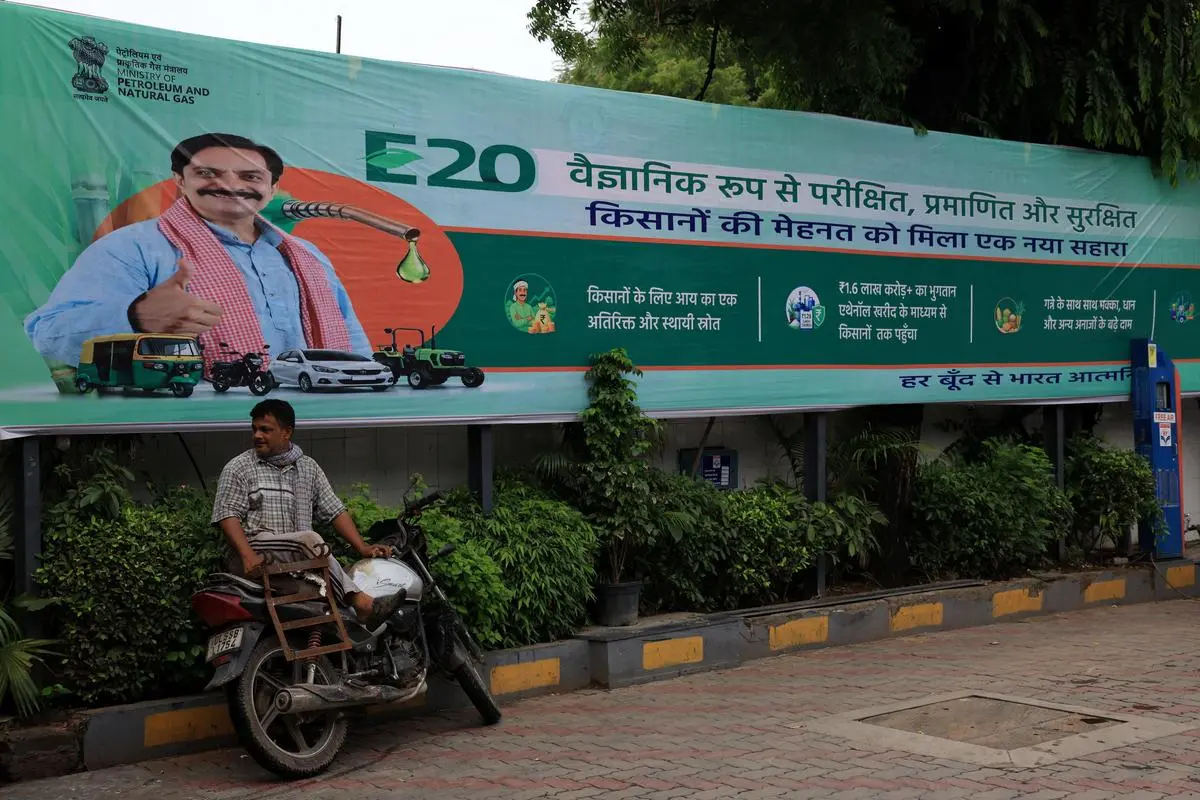
India has achieved its E20 ethanol blending target five years early, but the policy has triggered land-use shifts that clash with the country's edible oil and pulse needs. Frontline reports that maize area has grown from 10.74 million hectares to 14.41 million, displacing soybeans in Madhya Pradesh, ragi in Karnataka, and minor millets in Chhattisgarh. The Ministry of Agriculture is not involved in the ethanol programme, even as NITI Aayog reports project India will face deficits of 49-57 million tonnes of pulses and 31-33 million tonnes of edible oil by 2047-48.
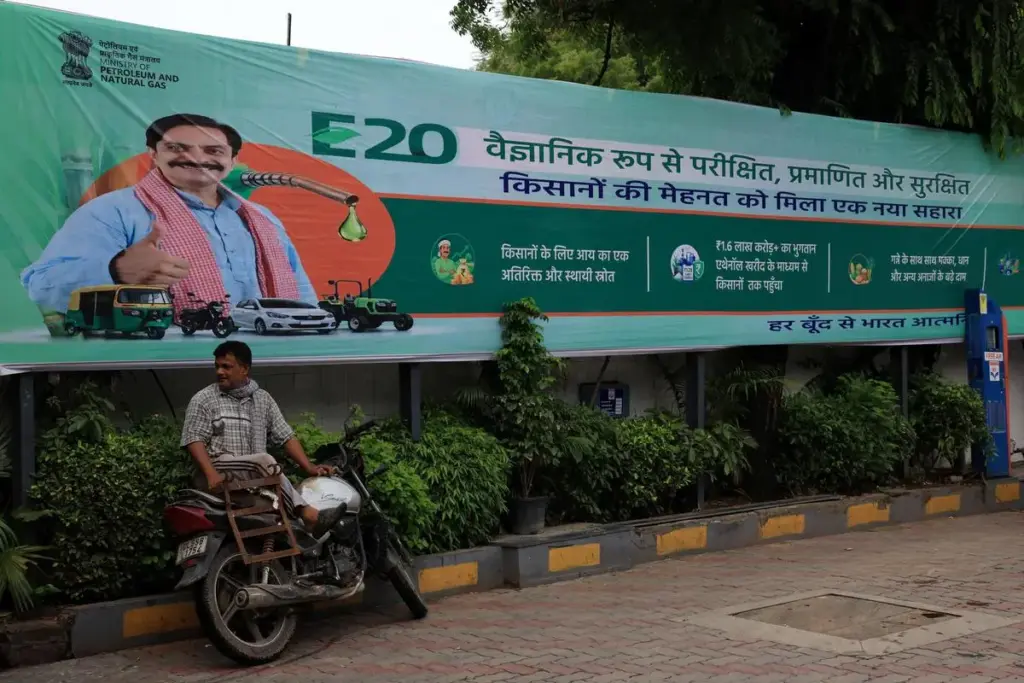
Meanwhile, the Bureau of Indian Standards is moving to make chloride contamination limits mandatory in E20 petrol, after automakers flagged elevated chloride and moisture levels at fuel stations linked to vehicle part failures. The Economic Times reports the government is now considering binding rules on oil marketing companies. The policy tension between domestic biofuel targets and food security remains unresolved, with no mechanism to reconcile competing land demands.
Indian Opinion Analysis
Frontline magazine focuses on the ethanol policy's agricultural trade-offs, reporting that maize has displaced pulses and oilseeds across millions of hectares, and that NITI Aayog's own reports contradict each other on land use. The Economic Times, by contrast, reports the government is now tightening fuel-quality standards after automakers flagged contamination in E20 petrol. Neither source addresses the other's core concern: Frontline omits chloride contamination and automaker complaints, while the ET piece ignores land-use displacement and the absence of Agriculture Ministry oversight. The NITI Aayog must reconcile its own conflicting projections for maize and oilseeds before the ethanol push can be coherently managed.
Coverage: 2 sources, 1 government-critical, 1 neutral
Sources (2): frontline.thehindu.com (government critical), energy.economictimes.indiatimes.com (neutral report)
This story was synthesised by AI from the 2 sources linked above. Methodology and corrections.
Updated: this story now draws on 2 sources.