





















Now Reading: Govt rules out E25, admits 3-5% mileage loss on E20
-
01
Govt rules out E25, admits 3-5% mileage loss on E20


The Union government has told the Rajya Sabha that it has no plans to increase ethanol blending beyond the current 20% (E20) and that any move to E25 would require more scientific…
The Story in Brief
The Union government has told the Rajya Sabha that it has no plans to increase ethanol blending beyond the current 20% (E20) and that any move to E25 would require more scientific studies and consultations. However, it conceded that older vehicles designed for E10 may see a 3-5% drop in fuel efficiency on E20, calling it a minor issue influenced by driving habits. The response came after Opposition leader Rahul Gandhi called for scrutiny and Rajya Sabha MP PP Suneer questioned the government's stance.

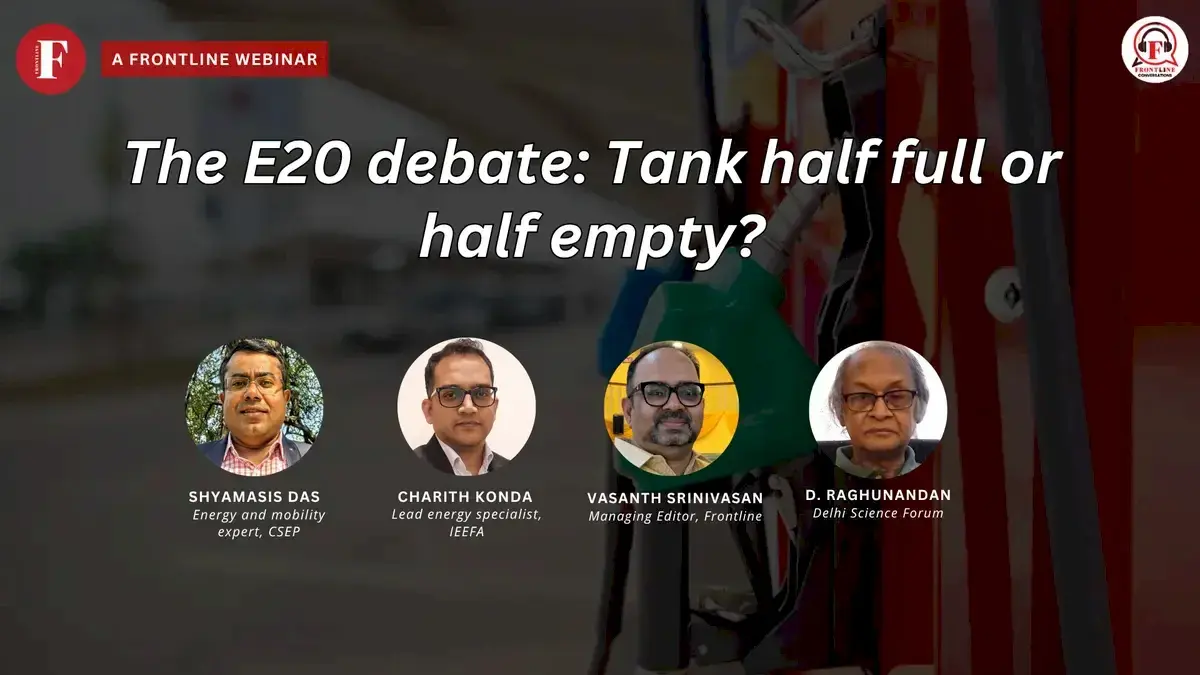
The government defended E20 as the product of long testing by NITI Aayog, automakers, and ARAI, claiming over 20 crore two-wheelers and 3 crore petrol cars have used it without widespread failure and that warranties remain valid. Meanwhile, Frontline’s webinar highlighted deeper concerns: ethanol production now relies heavily on maize and rice, raising fears of a food security crisis. The Attorney General had earlier called the programme an “experiment”, deepening the controversy.
The Indian Opinion
The E20 debate is being fought on two extreme fronts: one side calls it a dangerous experiment, the other a flawless success. The government's own admission of a 3-5% mileage drop for older vehicles shows the blend is not cost-free. Yet claims of widespread engine failure remain unproven. The real test is not just engine wear but food security. With ethanol now drawn from maize and rice, the question is: will the promised scientific studies on E25 include an independent audit of the grain diverted from plates to fuel tanks?
Sources (2): frontline.thehindu.com, timesnownews.com
This story was synthesised by AI from the 2 sources linked above.
Updated: this story now draws on 2 sources.