








Now Reading: Exclusive breastfeeding rate drops in India despite early initiation gains
-
01
Exclusive breastfeeding rate drops in India despite early initiation gains

Exclusive breastfeeding rate drops in India despite early initiation gains

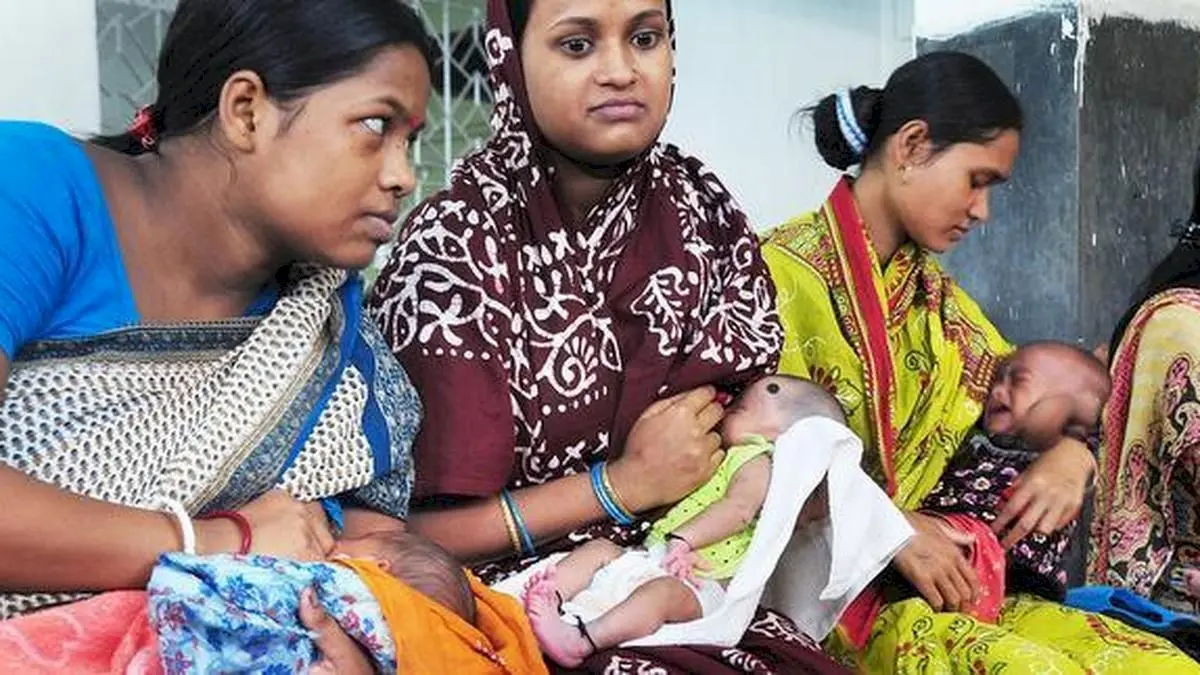
India's exclusive breastfeeding rate for infants under six months fell from 63.7% in NFHS-5 to 55.8% in NFHS-6, even as early initiation within one hour of birth improved from 41.8% to 50.1%,…
The Story in Brief
India's exclusive breastfeeding rate for infants under six months fell from 63.7% in NFHS-5 to 55.8% in NFHS-6, even as early initiation within one hour of birth improved from 41.8% to 50.1%, according to the latest National Family Health Survey data released during World Breastfeeding Week 2026. Experts say the gap shows mothers struggle to sustain breastfeeding after leaving healthcare facilities, with caesarean deliveries, inadequate lactation counselling, lack of home support, and return-to-work difficulties cited as key factors.
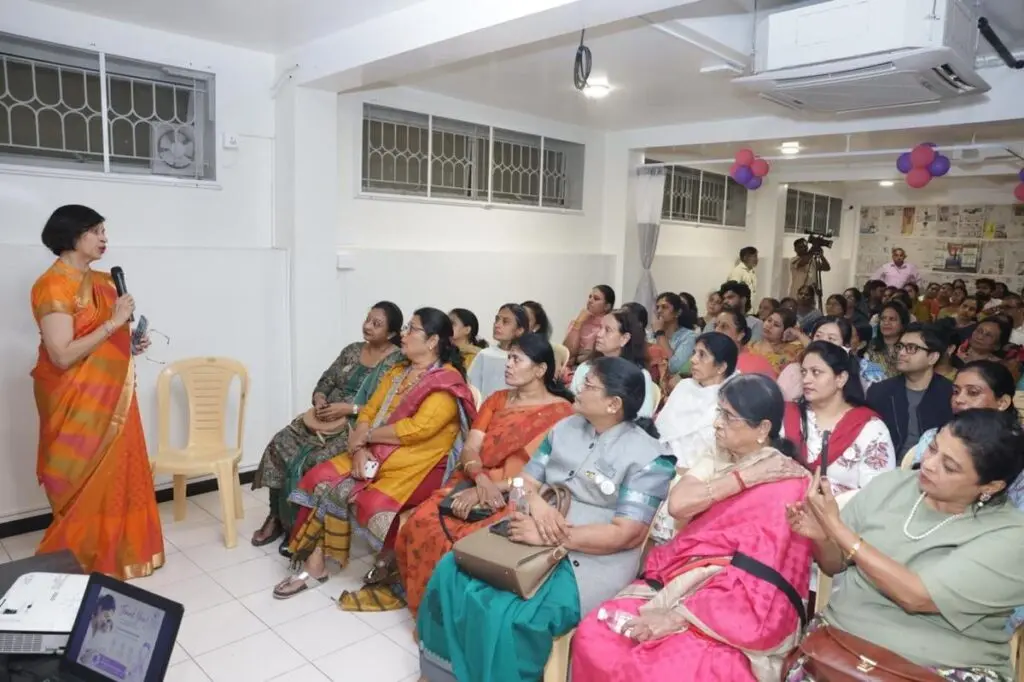
Karnataka bucked the national trend, with exclusive breastfeeding rising marginally from 61.0% to 61.6%. However, early initiation in the state dipped from 49.1% to 48.3%. Paediatricians and lactation consultants stress that breastfeeding requires a support system encompassing family, healthcare professionals, and workplaces. Over 90% of working women in the informal sector lack paid maternity leave. Maternal nutrition also needs attention, as prolonged depletion can cause anaemia and fatigue.
The Indian Opinion
The NFHS data reveals a classic Indian pattern: we celebrate first steps but ignore the long march. Breastfeeding within an hour is a photo-op statistic, but exclusive six-month feeding requires real systemic change, from hospital lactation counsellors to workplace crèches to family members who stop questioning a mother's milk supply. The 90% of informal-sector women without maternity cover are invisible in this debate. The real test will come when the next NFHS shows whether Karnataka's modest rise can be replicated nationally, or whether the gap widens further.
Sources (2): thehindu.com, thehindu.com (2)
This story was synthesised by AI from the 2 sources linked above.