














Now Reading: Gen Z Protests Put NEET Reform and Youth Jobs in Focus
-
01
Gen Z Protests Put NEET Reform and Youth Jobs in Focus



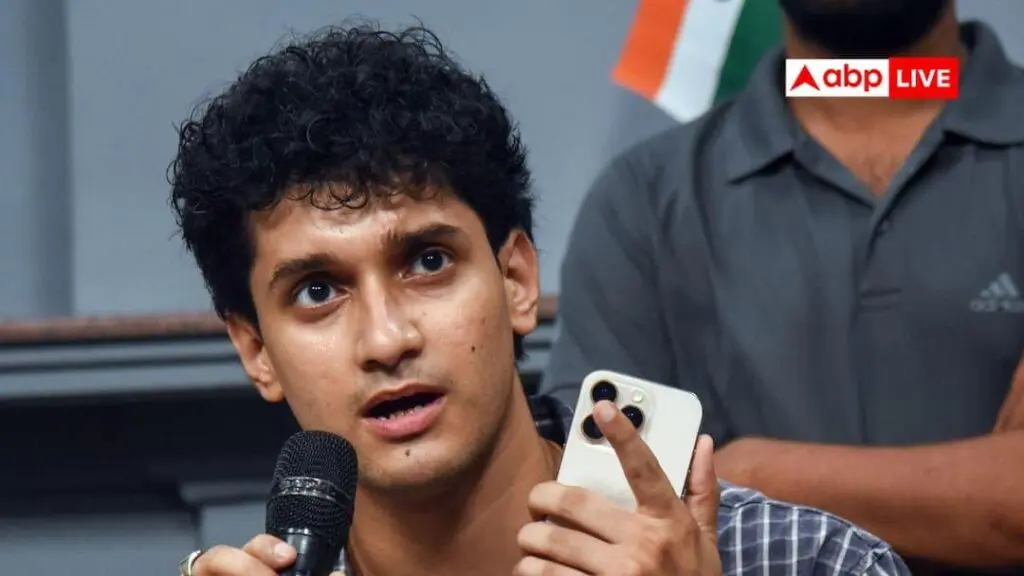
Several thousand young people gathered at Delhi’s Jantar Mantar over alleged repeated NEET-UG question-paper leaks, with protests spilling into nearby areas, Rediff reports. The report says education minister Dharmendra Pradhan resigned, while…
The Story in Brief
Several thousand young people gathered at Delhi’s Jantar Mantar over alleged repeated NEET-UG question-paper leaks, with protests spilling into nearby areas, Rediff reports. The report says education minister Dharmendra Pradhan resigned, while holding him and his ministry responsible for the examination failures. It also cites concerns over faulty marking, altered results and the National Testing Agency’s reliance on private vendors. The NTA, registered in 2018, reportedly has 25 permanent staff.

ETBrandEquity argues that calling such mobilisations ‘Gen Z protests’ can shift attention from their demands to assumptions about a generation. Rediff’s Shyam Saran links the unrest to weak public systems and India’s shortage of quality jobs, and says the government should pursue systemic education reform rather than dismiss the demonstrators.
The Indian Opinion
The lazy narratives run in both directions: that every youth protest is a conspiracy, or that a generational label itself explains the grievance. Neither addresses an examination system dependent on outsourced work or the anxiety of students facing scarce quality jobs. A useful test is simple: will the promised reforms publish clear responsibility, vendor performance and leak-prevention results before the next NEET-UG?
Sources (2): brandequity.economictimes.indiatimes.com, rediff.com
This story was synthesised by AI from the 2 sources linked above.
Updated: this story now draws on 2 sources.