














Now Reading: Youth vote varied widely across states, CSDS data shows
-
01
Youth vote varied widely across states, CSDS data shows


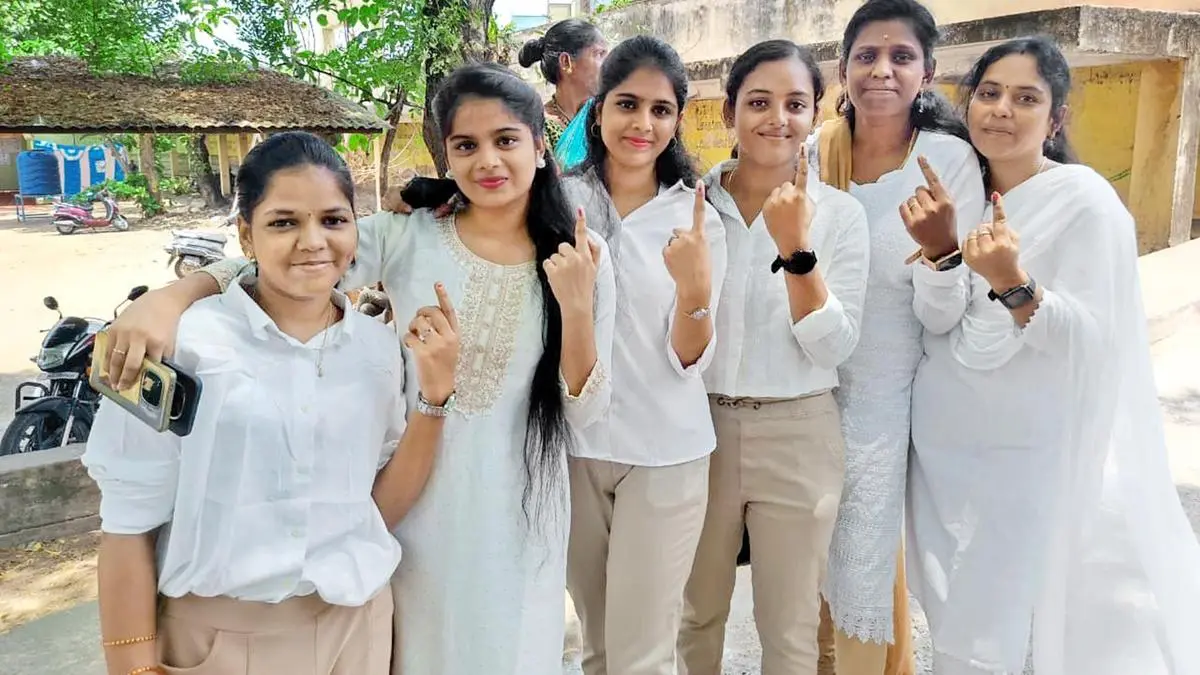
Survey data from Lokniti-CSDS shows that voter turnout among 18-21-year-olds in the 2024 Lok Sabha election was about 6 percentage points below the average, with sharp state-level differences. In Bihar only 41% of this age group voted against an overall 67.3%, while in Madhya Pradesh youth turnout reached 89% against the state average of 75.6%. West Bengal and Tamil Nadu recorded the highest youth participation at 93% and 90% respectively.
Party preference also varies. In West Bengal's 2026 assembly election, 51% of 18-21-year-olds backed the BJP compared to 33% for the Trinamool Congress, a reversal from 2021 when the TMC led among young voters. In Uttar Pradesh's 2022 election the BJP got 44% support from both young age groups while the Samajwadi Party got 38-39%. The analysis cautions that there is no single youth vote and preferences differ between age sub-groups and states.
Indian Opinion Analysis
The Lokniti-CSDS surveys provide the most granular available picture of youth voting behaviour, but their sample sizes for state-level breakdowns are small enough that margins of error can be wide. With seven state elections due next year, parties will need to read local data rather than assume a national youth mood. The Bankipur and Datia bypoll results that sparked this debate may have been driven by local candidate choices or campaign intensity as much as by age demographics. The key number to watch in Uttar Pradesh will be whether the BJP's 44% youth support from 2022 holds or erodes when the state votes again.
The Election Commission of India does not release age-wise turnout figures by constituency, so survey data remains the only source for such analysis.
Source: thehindu.com
This brief was synthesised by AI from the source linked above. Methodology and corrections.