














Now Reading: Cabinet clears Rs 23,731 crore GOBARdhan scheme for CBG
-
01
Cabinet clears Rs 23,731 crore GOBARdhan scheme for CBG


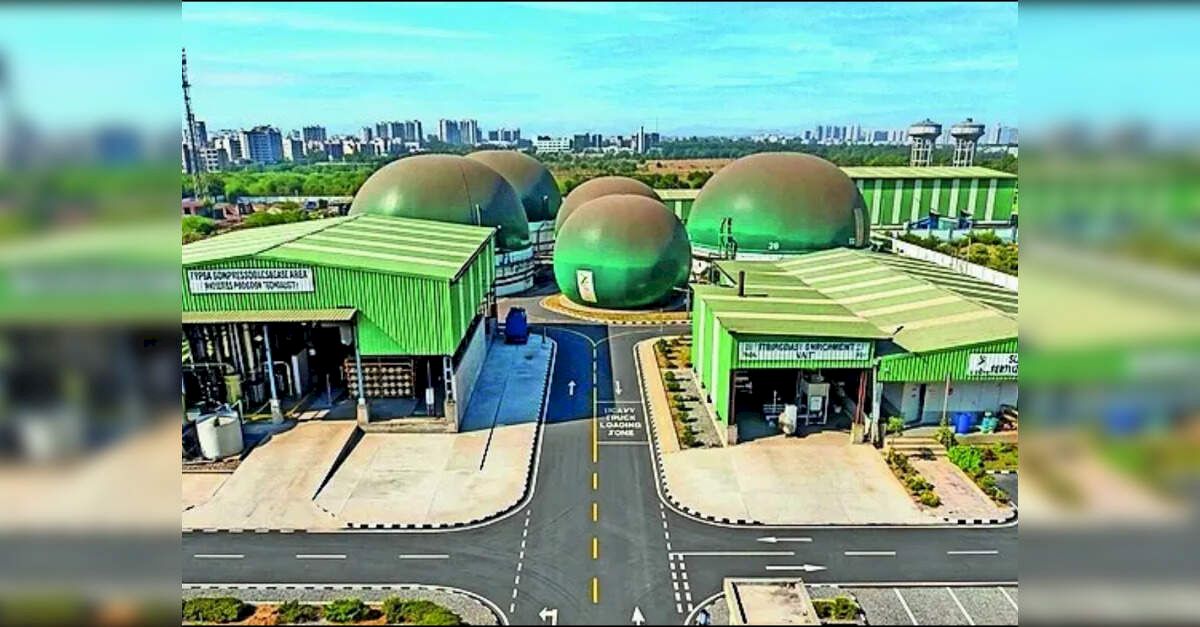
The Union Cabinet has approved the Rs 23,731 crore GOBARdhan scheme for 2026-27 to 2035-36, the Economic Times reports. It will support compressed biogas production from farm residue, cattle dung, press mud…
The Story in Brief
The Union Cabinet has approved the Rs 23,731 crore GOBARdhan scheme for 2026-27 to 2035-36, the Economic Times reports. It will support compressed biogas production from farm residue, cattle dung, press mud and municipal organic waste. Measures include assured offtake, a stable CBG price of Rs 2,110 per MMBTU, capital assistance of up to Rs 2 crore per tonne per day, pipeline support, credit guarantees and a challenge fund.

The scheme targets CBG supply for mandatory blending in CNG and domestic PNG, set at 3% in FY27, 4% in FY28 and 5% from FY29. The Hindu BusinessLine reports that India achieved 1.05% blending against the 1% FY26 target, with companies procuring 96,500 tonnes. Plant counts differ slightly: 217 commissioned by July 31, according to BusinessLine, against 219 operational on the official portal cited by ET EnergyWorld.
The Indian Opinion
The easy narrative is that a large allocation will automatically deliver a clean-energy breakthrough. The record is less tidy: SATAT generated more than 1,094 letters of intent, yet only about 217 to 219 plants are operating. The opposite claim, that CBG is merely a costly subsidy, also ignores waste management, manure and rural income gains. The real test is whether the promised price, pipelines and feedstock systems turn approvals into functioning plants within the next year.
Sources (3): energy.economictimes.indiatimes.com, thehindubusinessline.com, economictimes.indiatimes.com
This story was synthesised by AI from the 3 sources linked above.
Updated: this story now draws on 3 sources.