












Now Reading: Google wearables to track insulin resistance for first time
-
01
Google wearables to track insulin resistance for first time



Google is adding a feature to its wearable devices that tracks changes in insulin resistance over time. The technology uses sensors including an accelerometer, heart-rate and skin-temperature monitor, combined with AI, to…
The Story in Brief
Google is adding a feature to its wearable devices that tracks changes in insulin resistance over time. The technology uses sensors including an accelerometer, heart-rate and skin-temperature monitor, combined with AI, to estimate metabolic shifts. It does not measure blood glucose directly.
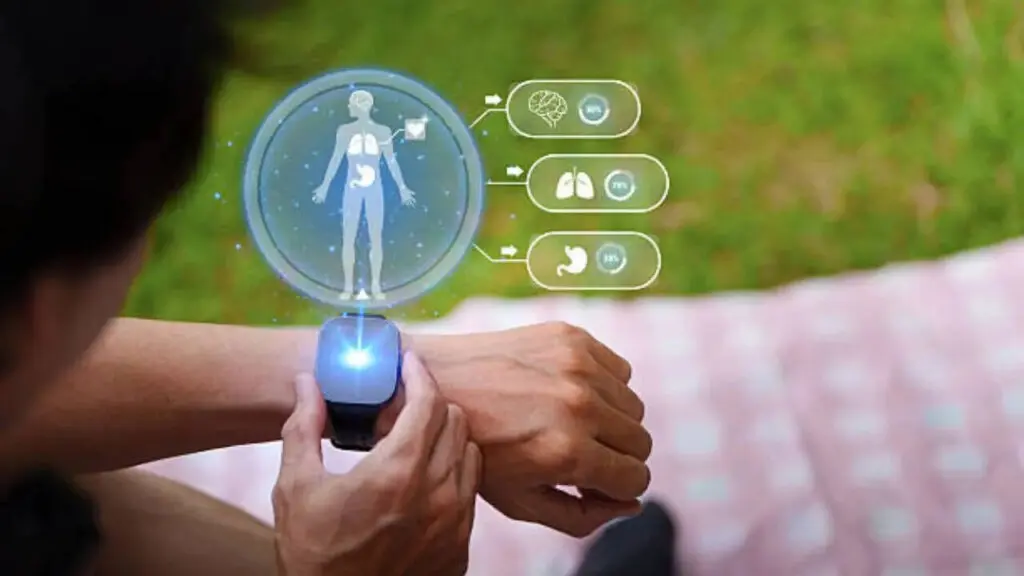
The feature is part of Google's Health Guardian suite. If a shift is detected, the Google Health app will alert users, who can then consider lifestyle changes or consult a doctor. Times Now reports the model was trained on data from over 1 lakh individuals. The company stresses the tool is not a diagnostic device and cannot replace blood tests for prediabetes or diabetes.
The Indian Opinion
The usual hype around wearable health features is already building, another silver bullet to outsmart lifestyle diseases. But let's be clear: a smartwatch that detects a possible shift in insulin resistance is no substitute for a fasting glucose or HbA1c test. Google itself says so. The useful test is whether this tool actually changes user behaviour or just becomes another notification people swipe away. Real health gains still depend on diet and exercise, not just sensor data.
Sources (2): ndtv.com, timesnownews.com
This story was synthesised by AI from the 2 sources linked above.
Updated: this story now draws on 2 sources.