Now Reading: Centre’s Rs 23,731 crore plan to turn farm waste into fuel and jobs
-
01
Centre’s Rs 23,731 crore plan to turn farm waste into fuel and jobs


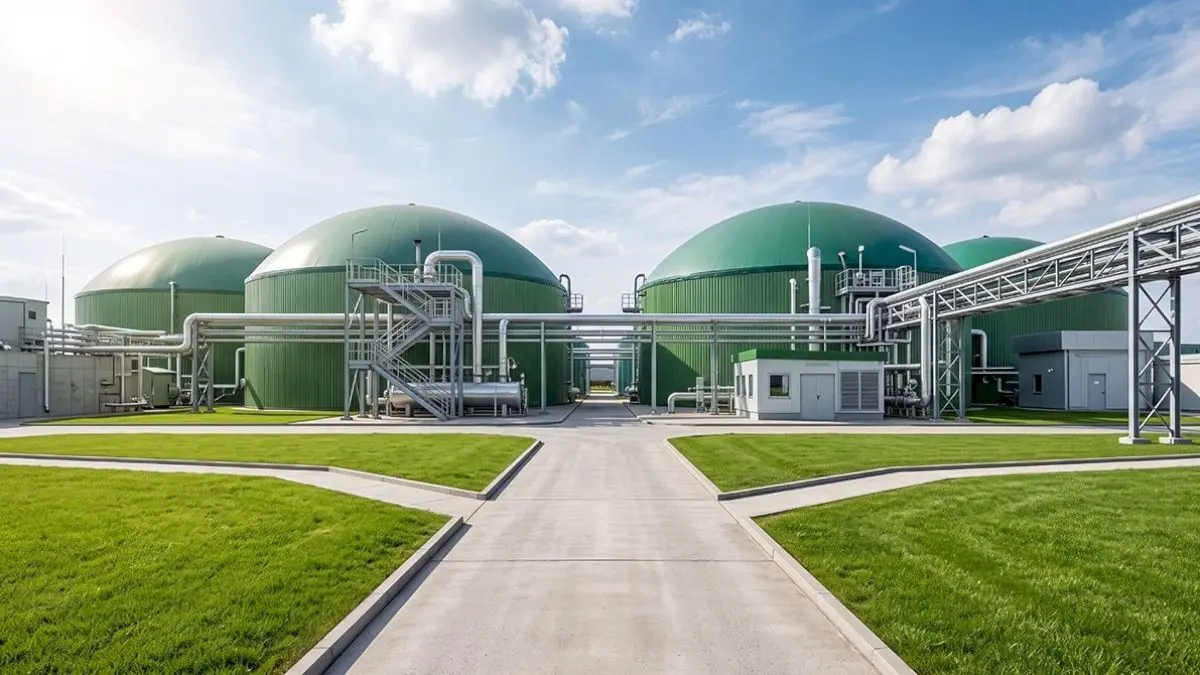
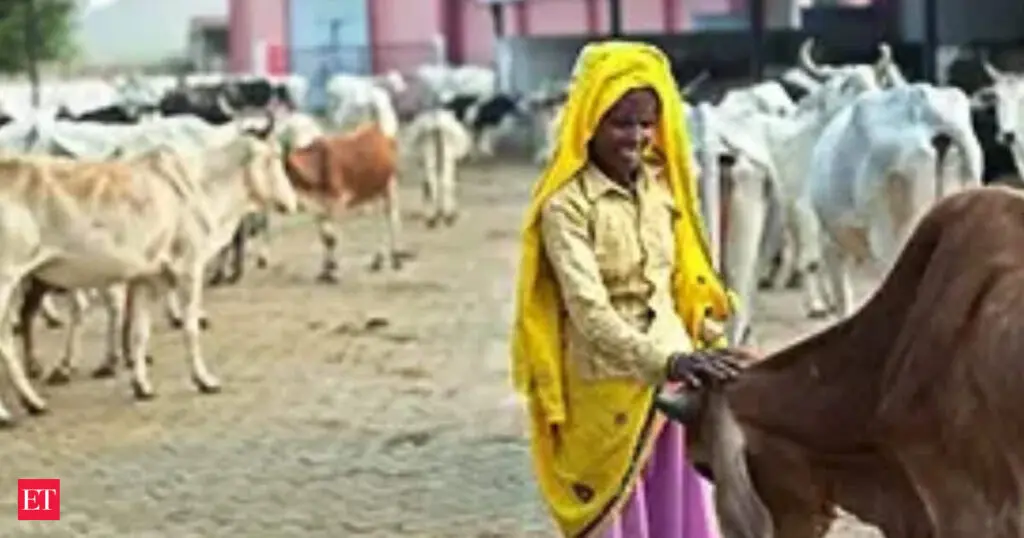
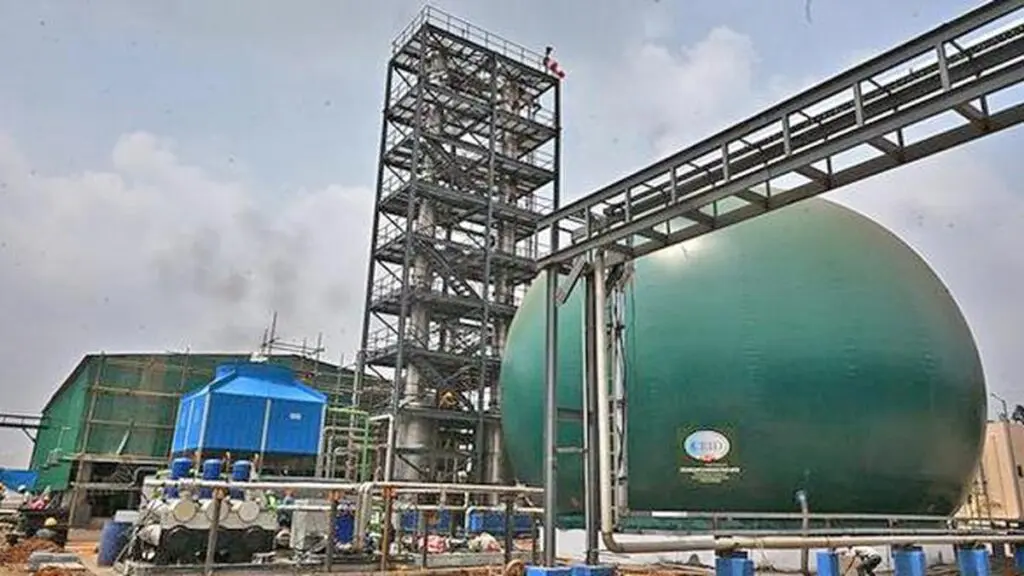
The Indian government has launched the GOBARdhan scheme, a Rs 23,731 crore initiative to convert cattle dung, agricultural residue, and municipal organic waste into compressed biogas (CBG) and organic manure. The programme…
The Story in Brief
The Indian government has launched the GOBARdhan scheme, a Rs 23,731 crore initiative to convert cattle dung, agricultural residue, and municipal organic waste into compressed biogas (CBG) and organic manure. The programme aims to reduce dependence on imported LNG, with domestic CBG production expected to rise nearly tenfold. Beyond energy security, the circular bioenergy programme is projected to create around 1.5 lakh jobs by building a network of farmers, waste processors, and private firms.
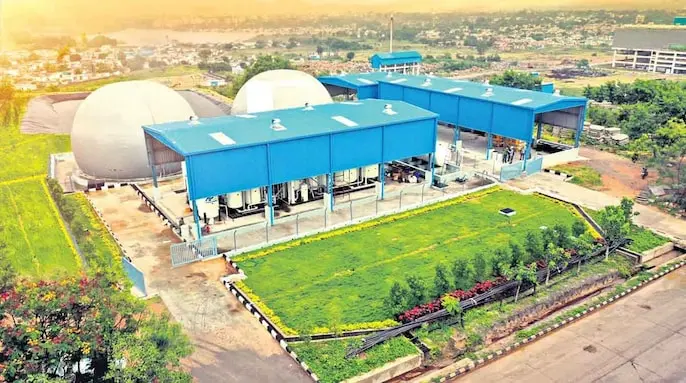
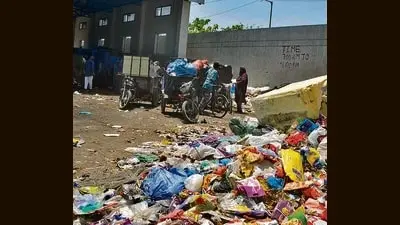
India generates 350 million tonnes of agricultural waste annually, much of which is burnt, contributing to air pollution and greenhouse gas emissions. The Ministry of New and Renewable Energy estimates residues could generate over 18,000 MW of power. However, success hinges on developing organised markets, as industries currently struggle to secure consistent supplies due to a lack of aggregation systems, quality standards, and transparent pricing. Business Today and The Hindu Business Line report that the scheme includes six support systems: assured CBG purchase, pricing support, capital assistance, pipeline infrastructure, credit guarantees, and ecosystem development.
The Indian Opinion
The government's GOBARdhan scheme rightly tackles pollution and import dependence, but the hype around job creation and rural income must be tempered. The real test is building the market architecture, aggregation centres, quality standards, and financing, that can move millions of tonnes of dispersed biomass. Without this infrastructure, the ambitious targets risk remaining a bureaucratic wish list. Will the Centre ensure states and local bodies execute on the ground, or will this join other grand plans that flounder on execution?
Sources (2): businesstoday.in, thehindubusinessline.com
This story was synthesised by AI from the 2 sources linked above.
Updated: this story now draws on 2 sources.