














Now Reading: Himalayan pheasants face mounting human pressure
-
01
Himalayan pheasants face mounting human pressure


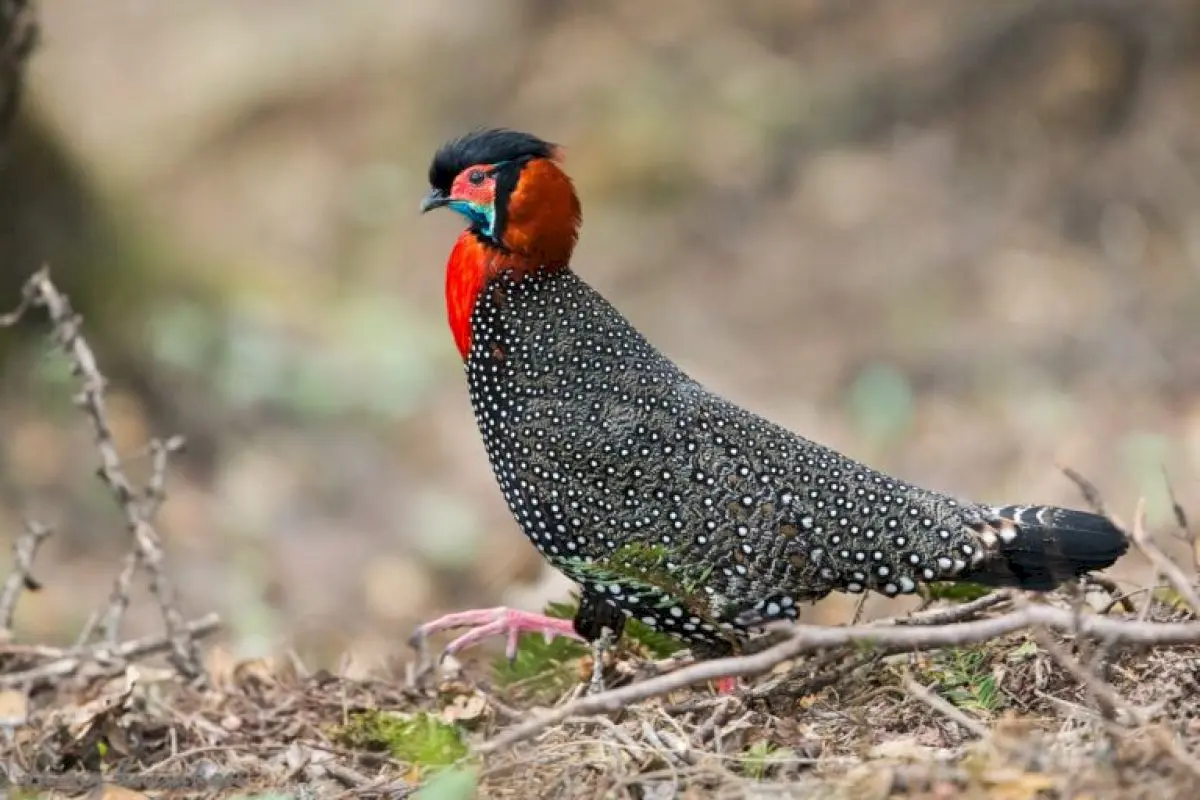
A study published last year in the northwestern Himalayas warns that the white-crested kalij pheasant, a relatively adaptable bird found in mixed forests near human settlements, is under mounting pressure from habitat…
The Story in Brief
A study published last year in the northwestern Himalayas warns that the white-crested kalij pheasant, a relatively adaptable bird found in mixed forests near human settlements, is under mounting pressure from habitat degradation, hunting, livestock grazing and mushroom collection. Conducted in the Limber and Lachipora wildlife sanctuaries in Baramulla district, the research identifies these as the most severe threats, with forest fires considered low risk. Timber collection and deforestation are degrading its habitat, while mushroom gathering coincides with breeding and disturbs nesting females. Although the kalij is listed as 'least concern' on the IUCN Red List, scientists say its decline signals danger for rarer Himalayan pheasants. The endemic western tragopan, with only 200-300 birds left in Jammu and Kashmir, depends on undisturbed oak and conifer forests and is classified as vulnerable under the Wildlife (Protection) Act.
The Indian Opinion
A common bird's decline is never just a single species' story. The white-crested kalij pheasant, though listed as 'least concern,' is an early-warning siren for Himalayan forests. Dismissing its troubles because it is widespread ignores that a resilient species signals stress before rarer ones vanish. The real test is whether sanctuaries like Limber and Lachipora can curb grazing and mushroom collection during breeding seasons. Will local communities and forest departments treat the kalij's plight as a forest health check, or wait for the western tragopan, with its 300 remaining birds, to cry silence?
Source: india.mongabay.com
This story was synthesised by AI from the source linked above.