













Now Reading: Air India pilot tests positive; DGCA told to review drug rules
-
01
Air India pilot tests positive; DGCA told to review drug rules


The civil aviation ministry has summoned Air India's management and ordered the DGCA to review pilot drug-testing rules after the August 4 Phuket-Delhi flight incident. The pilot-in-command of flight AI2379 has reportedly…
The Story in Brief
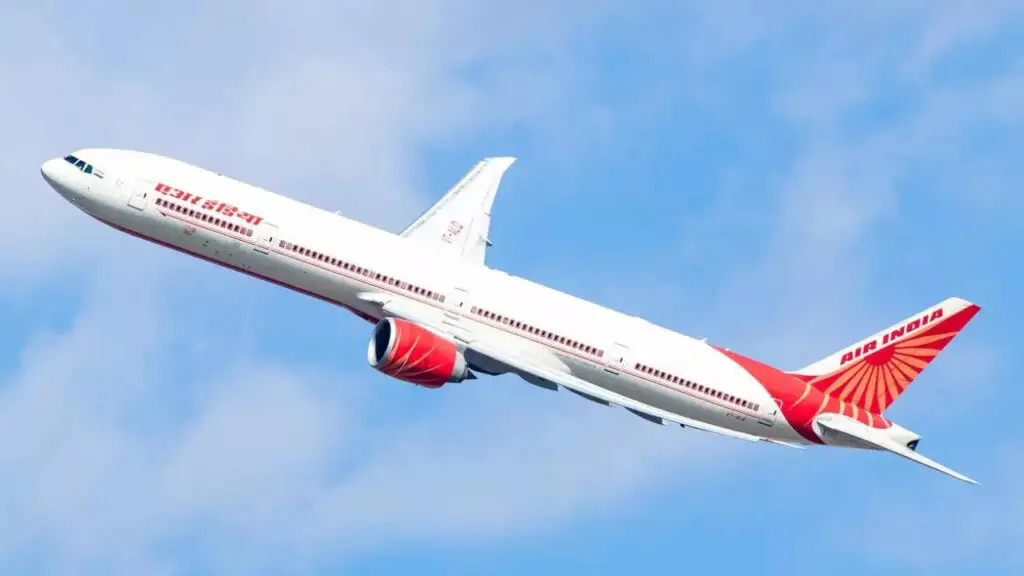
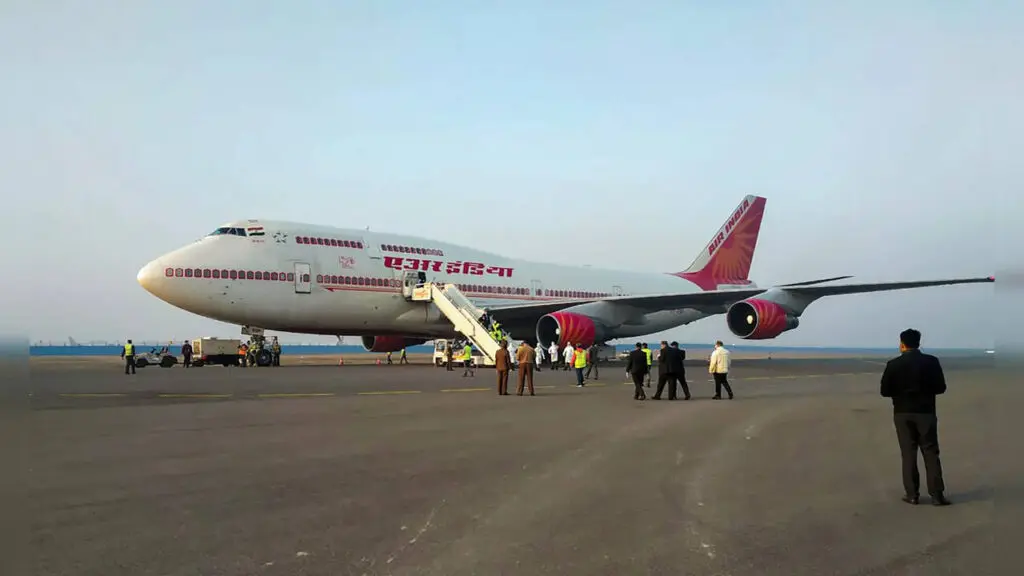
The civil aviation ministry has summoned Air India's management and ordered the DGCA to review pilot drug-testing rules after the August 4 Phuket-Delhi flight incident. The pilot-in-command of flight AI2379 has reportedly tested positive in a second dope test for marijuana, sources say. Cabin crew reported the pilot was 'out of control' and had to be helped back to his seat; the co-pilot took over and landed safely. The aircraft suffered multiple hydraulic warnings and a sudden altitude drop of about 300 feet, injuring 20 passengers and four crew members. The pilot claims he was prescribed sleeping pills for personal problems.
The ministry said it has taken a 'very serious view' and warned that heads will roll if probe finds lapses. An Airbus team and French aviation regulator officials are assisting the investigation. The DGCA has been asked to study international dope-testing protocols and consider tougher penalties for those using recreational drugs while giving leeway for prescribed medications.
The Indian Opinion
Two narratives are emerging: one focused on a rogue pilot, the other on systemic failures. The crew's report and the string of hydraulic warnings suggest this was more than a single individual's lapse. Yet the airline's initial statements blamed 'turbulence', downplaying the technical alarms. The DGCA review is welcome, but it must distinguish between recreational drug use and prescribed medication without creating loopholes. The real test will be the AAIB's final report: were the multiple warnings real or spurious? That answer will decide whether this was a near-miss or a lucky escape.
Sources (7): timesofindia.indiatimes.com, timesnownews.com, timesnownews.com (2), timesnownews.com (3), thehindubusinessline.com, ndtv.com, hindustantimes.com
This story was synthesised by AI from the 7 sources linked above.
Updated: this story now draws on 7 sources.