












Now Reading: Indian aviation safety improves, software flaws remain a concern
-
01
Indian aviation safety improves, software flaws remain a concern


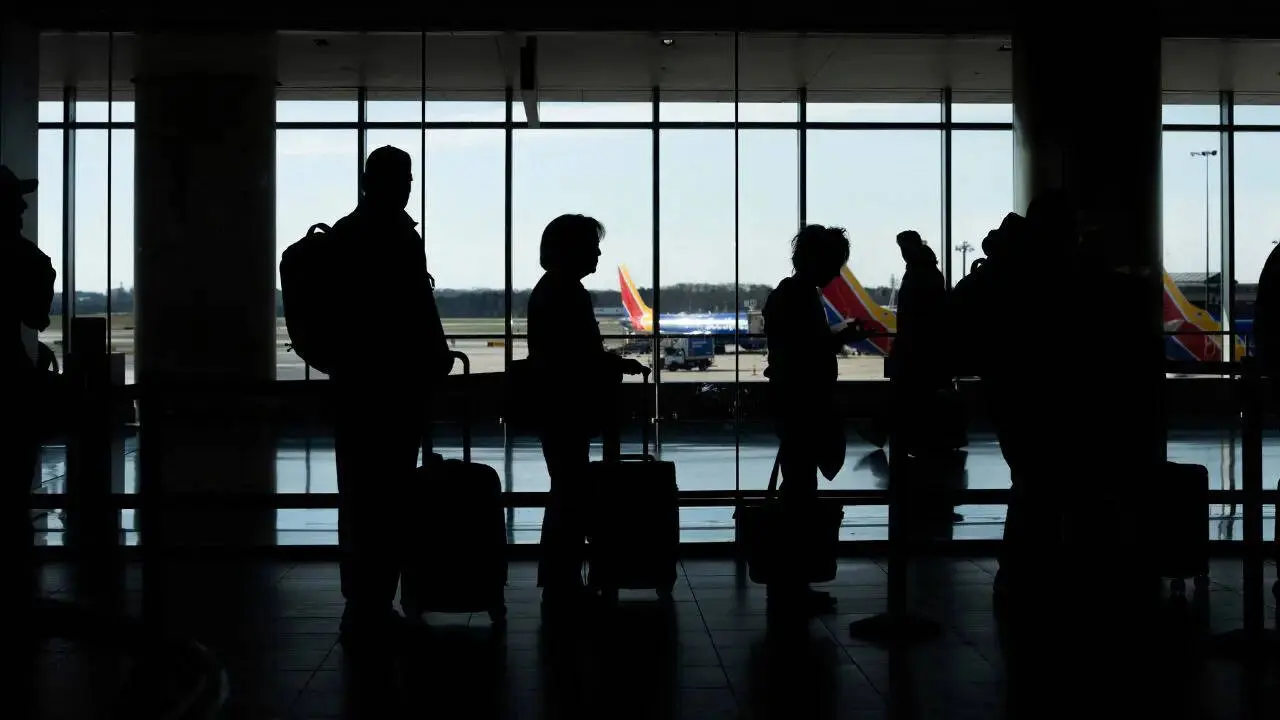
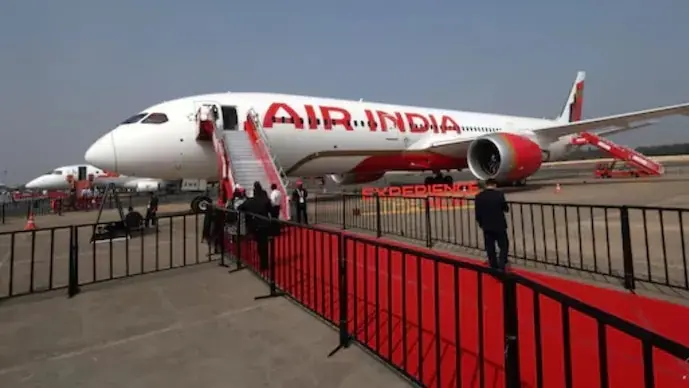
Aviation safety in India has improved statistically, with the accident rate dropping to about 1.3 per million sectors in 2025 from 4 per million in 2015, according to the IATA Safety Report. Indian IATA-member carriers had 12 accidents in 2015-25, two of them fatal, Air India Express 1344 and Air India 171. Departures by scheduled Indian carriers exceeded 15 lakh in 2025, per DGCA data.
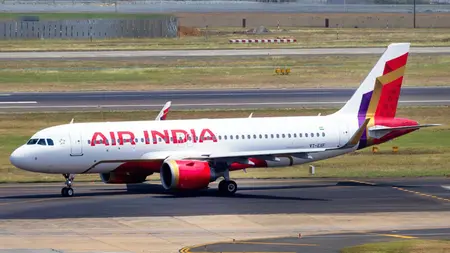
However, the gap between statistical safety and public perception was highlighted by the Air India flight 2379 incident. Early media coverage focused on the commander's alleged narcotic use, but subsequent leaks pointed to a transient hydraulic system failure as a possible cause. The article notes that increasing reliance on complex flight control software introduces new failure modes, as seen in the Boeing 737 MAX crashes and the QF 72 upset.
India's National Aviation Safety Plan 2024-28 targets a 1-5% yearly improvement in safety indicators and identifies emerging issues including medication and turbulence. The investigation of AI 2379 is ongoing, with the outcome expected to influence software update priorities.
Indian Opinion Analysis
Two fatal accidents in a decade may feel reassuring, but the real safety bar is set by how many incidents could have become the third. DGCA tracks about 30 serious incidents a year across scheduled carriers, most involving engine trouble or bird strikes rather than software failures. The 737 MAX crashes and the QF 72 upset are the closest technical precedents for a sudden, unexplained loss of control. What matters next is the Bird Committee report on AI 2379, expected within weeks, which will determine whether the flight control software update cycle needs to be accelerated across the Indian fleet.
Source: timesnownews.com
This story was synthesised by AI from the source linked above. Methodology and corrections.