













Now Reading: UPI पर MDR लगाने का विरोध, GTRI और ग्रोवर ने दी चेतावनी
-
01
UPI पर MDR लगाने का विरोध, GTRI और ग्रोवर ने दी चेतावनी


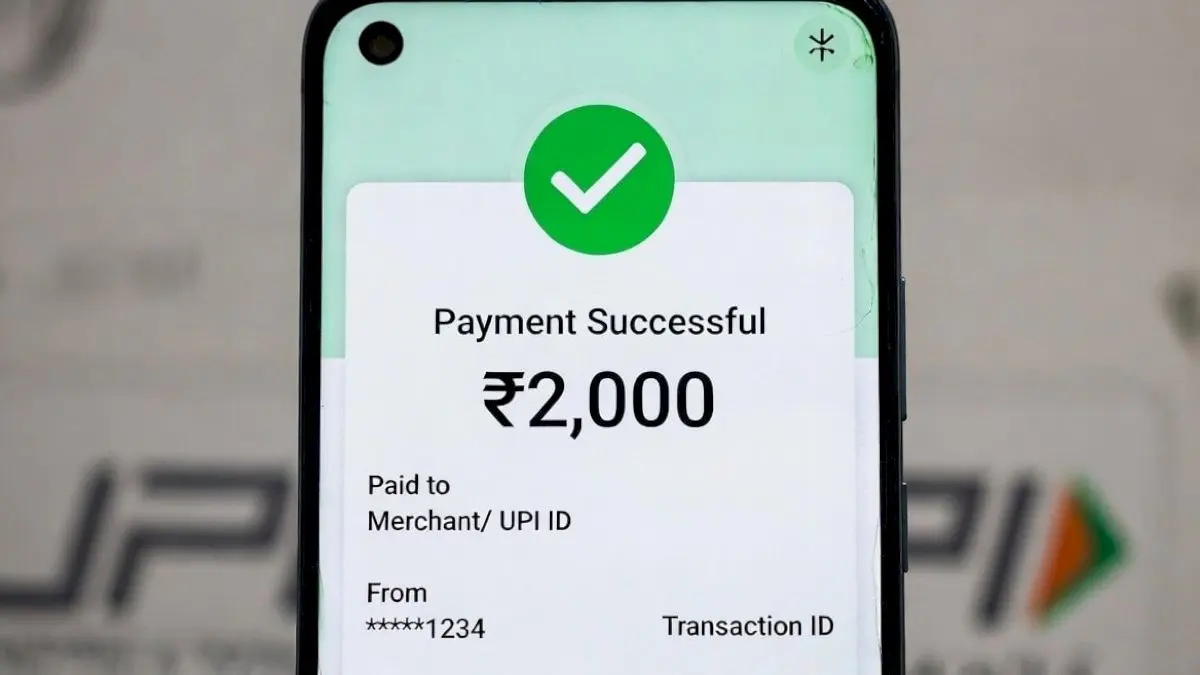
लोकसभा द्वारा भुगतान और निपटान प्रणाली अधिनियम 2007 में संशोधन विधेयक पारित किए जाने के बाद UPI लेनदेन पर मर्चेंट डिस्काउंट रेट (MDR) लगाने की चर्चा तेज हो गई है। आर्थिक थिंक…
The Story in Brief
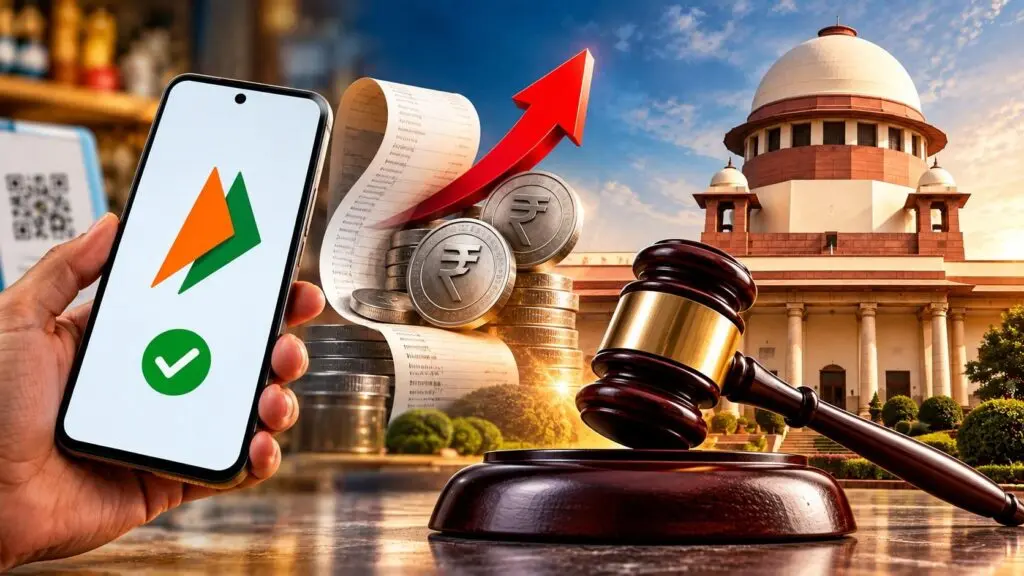
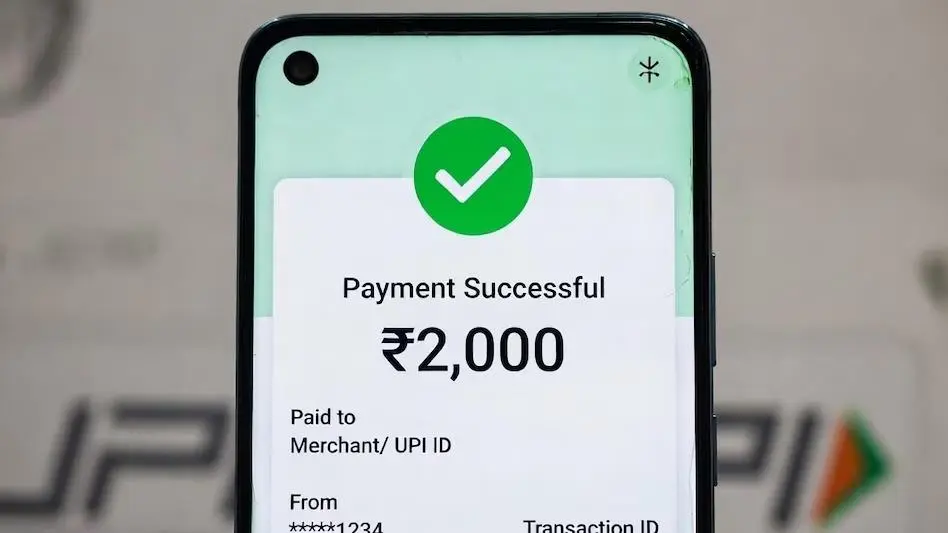
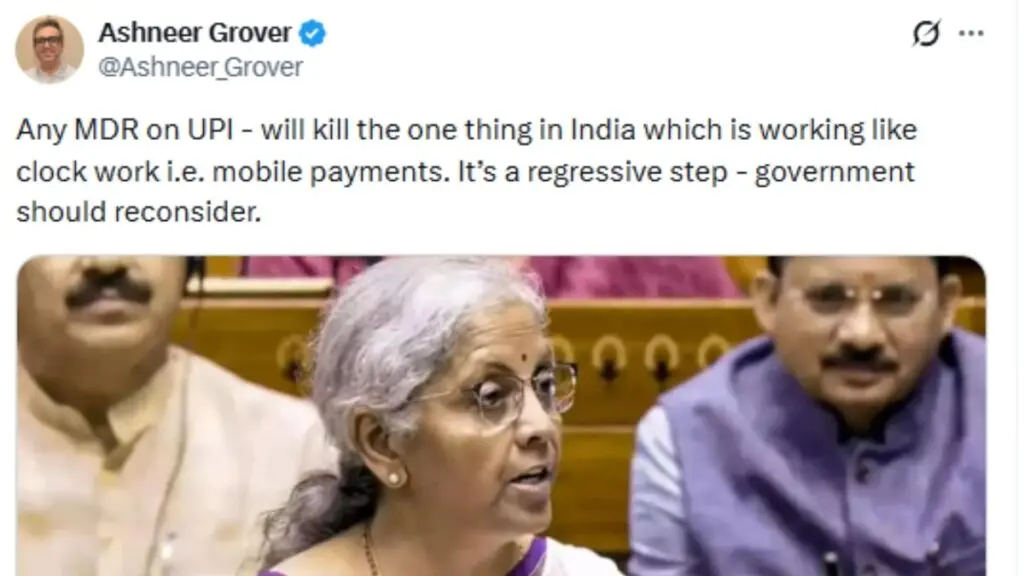
लोकसभा द्वारा भुगतान और निपटान प्रणाली अधिनियम 2007 में संशोधन विधेयक पारित किए जाने के बाद UPI लेनदेन पर मर्चेंट डिस्काउंट रेट (MDR) लगाने की चर्चा तेज हो गई है। आर्थिक थिंक टैंक GTRI का कहना है कि भारत को डिजिटल पेमेंट नीति में अमेरिकी दबाव में नहीं आना चाहिए। GTRI के संस्थापक अजय श्रीवास्तव के अनुसार, UPI और RuPay की शून्य-MDR व्यवस्था ने छोटे व्यापारियों और आम लोगों के बीच डिजिटल भुगतान को बढ़ावा दिया है। उन्होंने डेटा लोकलाइजेशन का समर्थन करते हुए कहा कि भुगतान डेटा की सुरक्षा के लिए नीतिगत स्वतंत्रता बरकरार रखनी चाहिए। वहीं BharatPe के सह-संस्थापक अशनीर ग्रोवर ने MDR लागू करने को 'पिछड़ा कदम' बताते हुए चेतावनी दी कि इससे मोबाइल पेमेंट प्रणाली खत्म हो सकती है। वित्त मंत्री निर्मला सीतारमण ने स्पष्ट किया कि फिलहाल कोई MDR लागू नहीं हुआ है और भविष्य में भी इसका बोझ ग्राहकों पर नहीं, बल्कि व्यापारियों पर पड़ेगा।
The Indian Opinion
जहां सरकार UPI पर MDR लगाने को लेकर संशोधन विधेयक ला रही है, वहीं GTRI और अशनीर ग्रोवर की चेतावनी में दम है। एक तरफ अमेरिकी शिकायतों के बाद नीति बदलने का दबाव है, दूसरी तरफ FPIs का दबाव भी साफ दिखता है। लेकिन UPI जैसी सफल प्रणाली पर फैसला लागत और डेटा सुरक्षा के आधार पर होना चाहिए, न कि बाहरी दबाव से। देखना होगा कि क्या सरकार शून्य-MDR नीति को बरकरार रख पाएगी या फिर नए कानून के तहत बैंकों और फिनटेक के हितों को प्राथमिकता देगी। यह फैसला छोटे व्यापारियों और आम ग्राहकों के डिजिटल भुगतान के भविष्य को तय करेगा।
Sources (2): aajtak.in, aajtak.in (2)
This story was synthesised by AI from the 2 sources linked above.
Updated: this story now draws on 2 sources.