












Now Reading: UPI users beware splitting bills to avoid MDR may trigger fraud alerts
-
01
UPI users beware splitting bills to avoid MDR may trigger fraud alerts


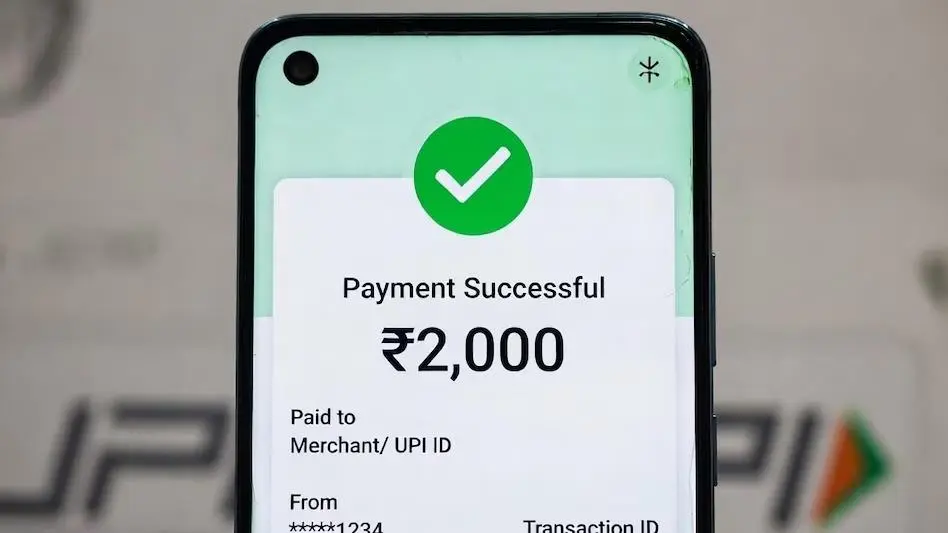
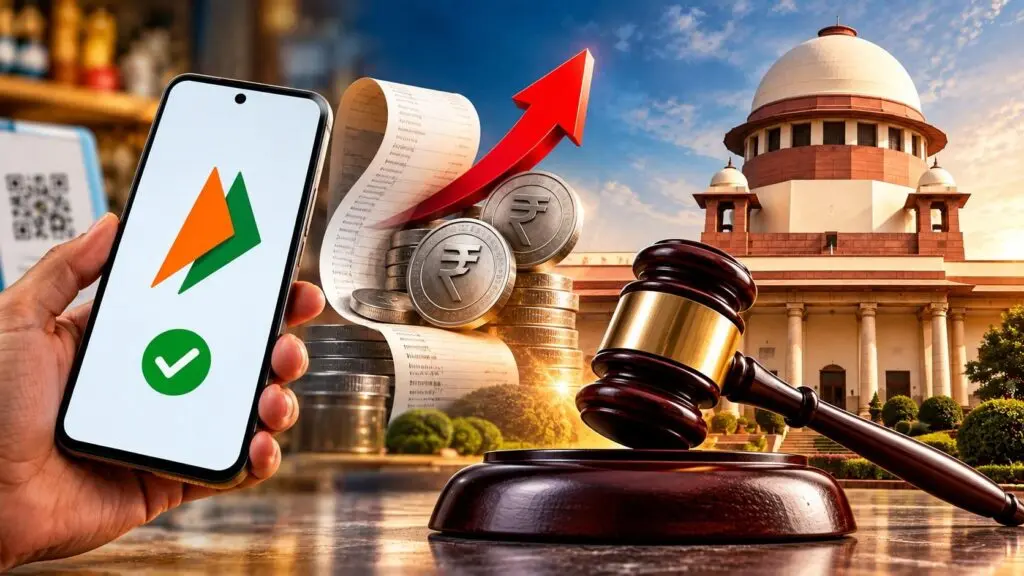
From 15 October, UPI person-to-merchant (P2M) transactions above Rs 2,000 will attract a 0.4 per cent Merchant Discount Rate (MDR), with a cap of Rs 300 for payments over Rs 75,000. Transactions…
From 15 October, UPI person-to-merchant (P2M) transactions above Rs 2,000 will attract a 0.4 per cent Merchant Discount Rate (MDR), with a cap of Rs 300 for payments over Rs 75,000. Transactions up to Rs 2,000 and person-to-person (P2P) payments remain free of MDR. A customer paying a Rs 6,000 bill via three separate Rs 2,000 UPI payments would keep each transaction below the threshold, avoiding the charge.
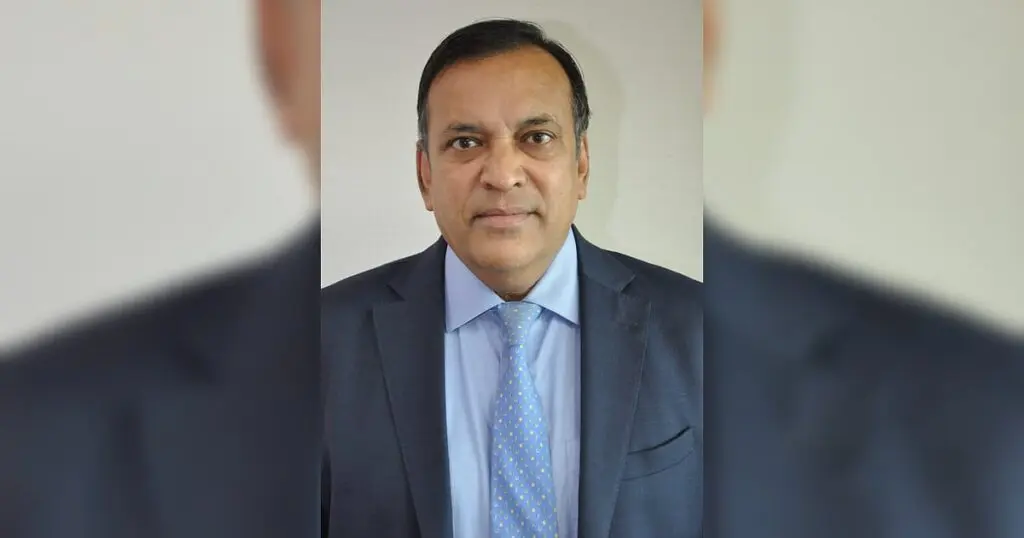
However, banks monitor transaction patterns for fraud. Making several identical payments to the same merchant in quick succession can appear suspicious, potentially triggering automatic security checks that may temporarily block transactions or suspend UPI service, said Adhil Shetty, CEO of BankBazaar. Merchants may also refuse split payments for accounting or fraud control reasons. MDR is a merchant cost and cannot be passed on to the customer. If a merchant demands MDR separately, users can complain via their UPI app or bank.
Indian Opinion Analysis
The proposed MDR on larger UPI payments revives a debate the central bank had largely settled in 2019, when it waived charges to push digital payments. The new framework shifts some cost back to merchants, who in turn may resist large UPI payments or encourage cash. The real test is whether the 0.4 per cent rate changes merchant behaviour and whether NPCI and banks introduce frequency-based rules if bill-splitting becomes widespread. The 15 October deadline is the first signal to watch.
Source: bazaar.businesstoday.in
This brief was synthesised by AI from the source linked above.