














Now Reading: Gujarat Bans Non-Standardised Analogue Paneer Across State
-
01
Gujarat Bans Non-Standardised Analogue Paneer Across State


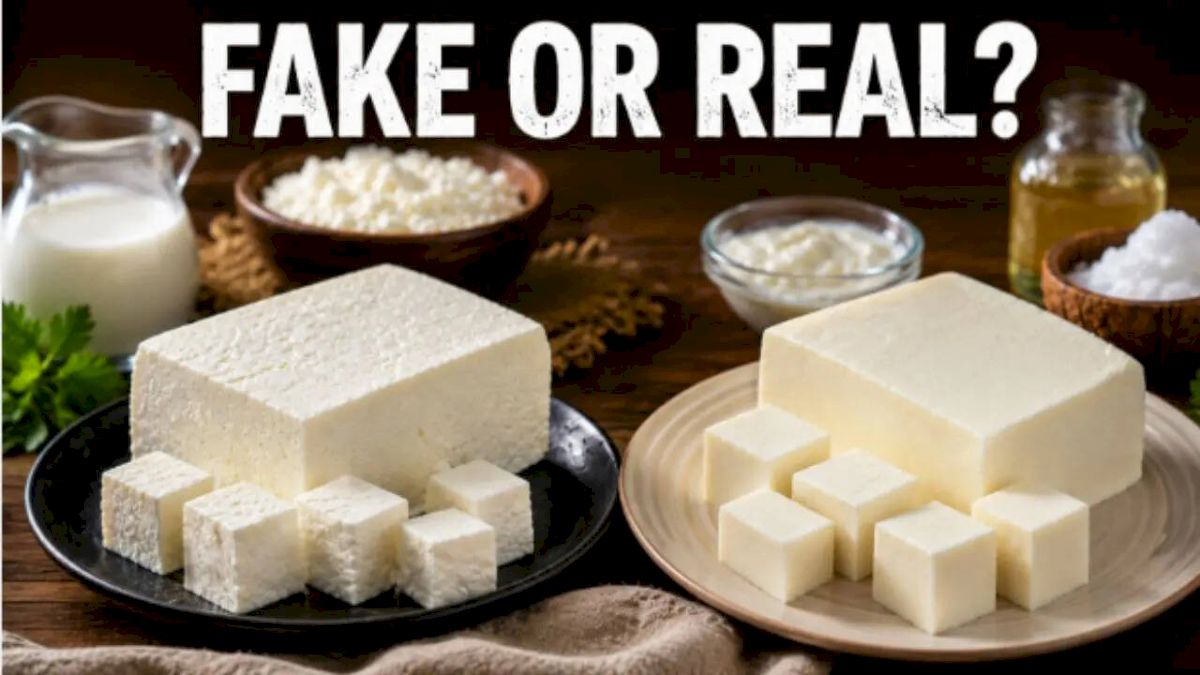
Gujarat has banned the production, storage, transport, distribution and sale of non-standardised analogue paneer, cheese and butter. Health Minister Praful Pansheriya said the decision followed four months of inspections and laboratory tests…
The Story in Brief
Gujarat has banned the production, storage, transport, distribution and sale of non-standardised analogue paneer, cheese and butter. Health Minister Praful Pansheriya said the decision followed four months of inspections and laboratory tests by the state Food and Drugs Department, which found non-dairy products being sold in ways that could mislead consumers. The action was taken under the Food Safety and Standards Act, 2006.
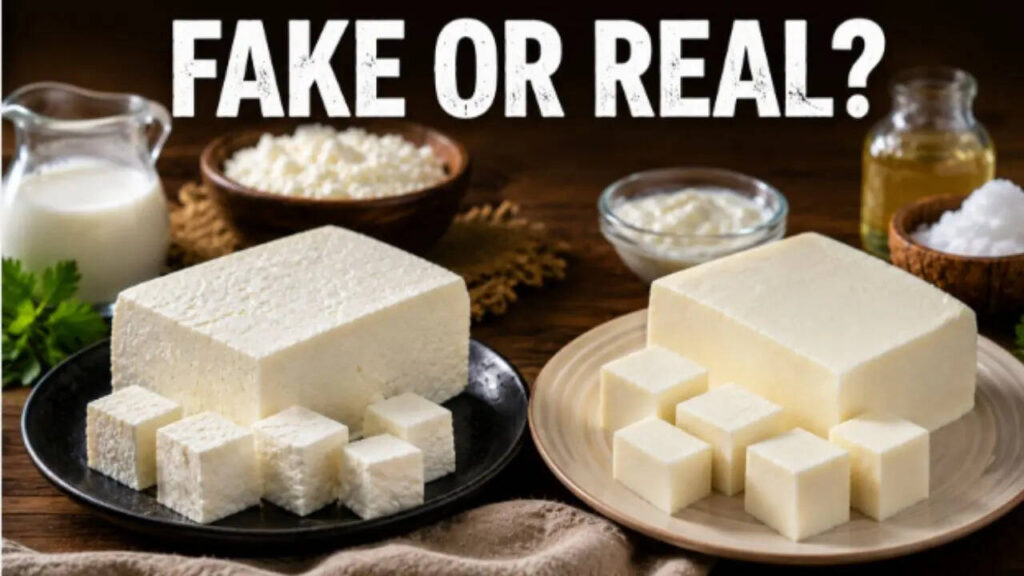
Analogue paneer is made mainly with vegetable oils, fats and other non-dairy ingredients rather than fresh milk. It is not automatically unsafe if produced hygienically and labelled correctly, but it differs from genuine paneer in protein, calcium and fat content. Maharashtra and Chhattisgarh have also imposed restrictions, according to Times Now News. Businesses violating Gujarat’s order face legal action.
The Indian Opinion
The lazy claim that every analogue product is poisonous is unsupported, just as the suggestion that labelling alone solves the problem ignores consumer confusion. The sharper issue is whether a cheaper substitute is clearly identified and meets food rules. Gujarat must publish test results, enforcement numbers and the precise scope of its order, while businesses should not pass off a fat-based product as dairy paneer. The useful measure will be how many misleading products disappear from inspections over the next six months.
Sources (2): timesnownews.com, timesnownews.com (2)
This story was synthesised by AI from the 2 sources linked above.
Updated: this story now draws on 2 sources.