


















Now Reading: Gulf News writer finds luxury resort life marred by monkeys
-
01
Gulf News writer finds luxury resort life marred by monkeys


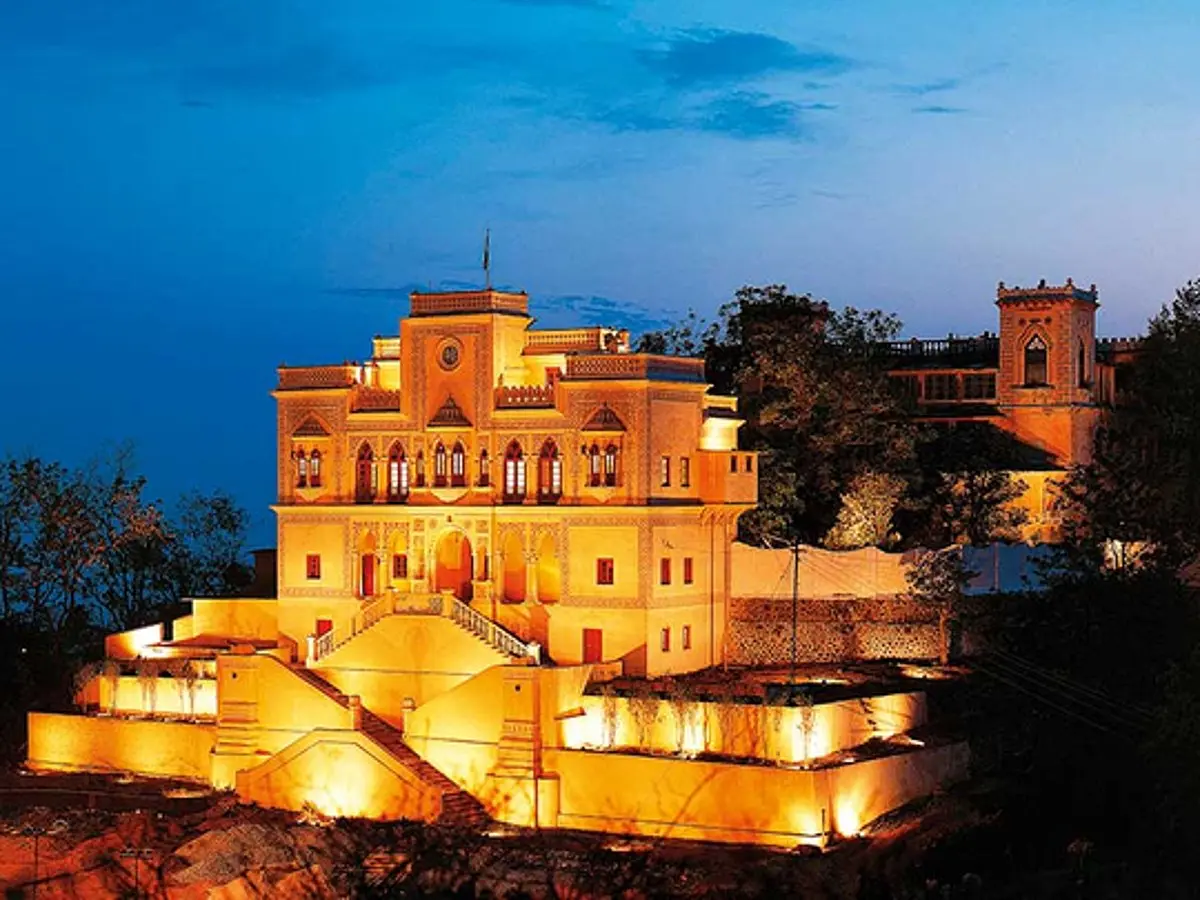
A Gulf News travel writer checking into a luxury Indian hill resort quickly discovered that the maharaja fantasy comes with unwelcome guests. The room overlooked a lush valley, but opening the balcony doors invited marauding monkeys, small and large, who constantly try to enter rooms searching for food.
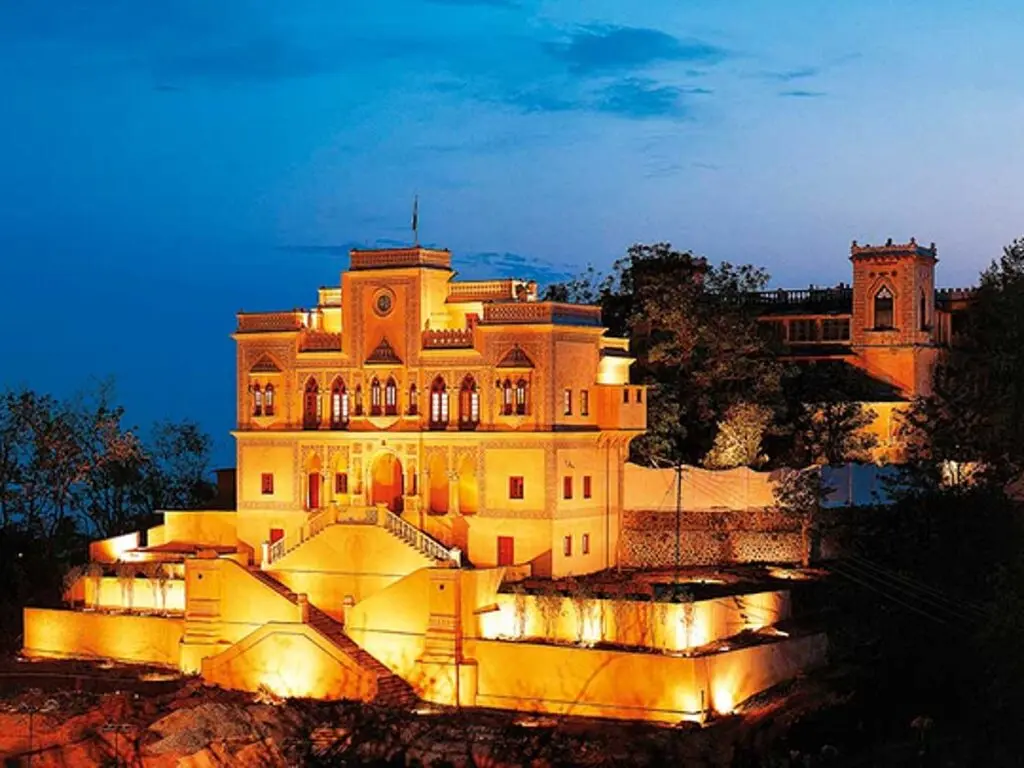
The writer watched the view wistfully from behind a glass door, cut off from the landscape by the need to keep the primates out. The experience punctures the advertised image of seamless opulence, as guests must balance the desire for fresh mountain air against the reality of determined simian intruders.
Indian Opinion Analysis
The fantasy of living like a maharaja has long driven India's luxury tourism industry, from heritage hotel conversions of princely palaces to curated safaris and butler service. Palace hotels in Rajasthan, particularly in Jaipur, Udaipur and Jodhpur, have anchored this segment for decades, though guests increasingly trade a dusty fort for a secluded modern resort offering the same pampering. The appeal rests on a carefully preserved illusion of aristocratic leisure, spacious suites, attentive staff, private dining, while the realities of overcrowded public areas, wandering monkeys and security constraints are edited out of the brochure. For the traveller willing to pay Rs 30,000 to Rs 1 lakh a night, the question is whether the experience matches the promise.
Source: gulfnews.com
This story was synthesised by AI from the source linked above. Methodology and corrections.