






Now Reading: Rajasthan hotels go green with solar power and water recycling
-
01
Rajasthan hotels go green with solar power and water recycling


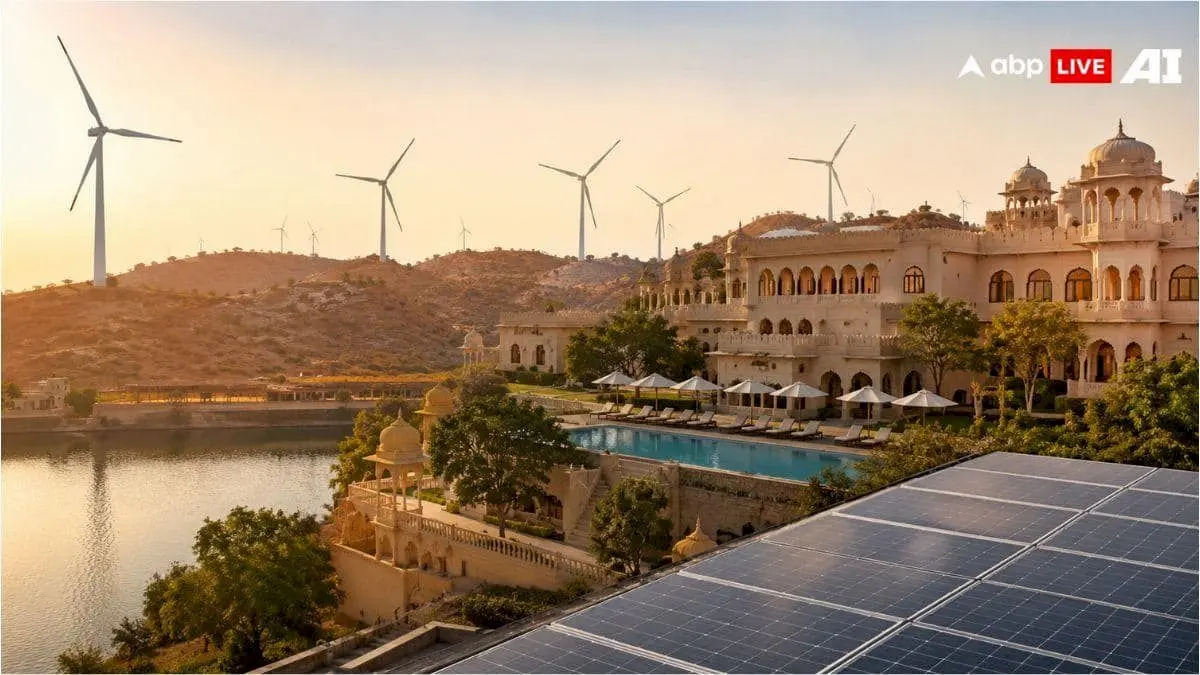
Rajasthan's hospitality sector is adopting solar power, water recycling, and traditional ventilation to cut carbon footprints amid extreme heat and water stress. ITC Rajputana in Jaipur, with a LEED Zero Carbon certificate,…
The Story in Brief
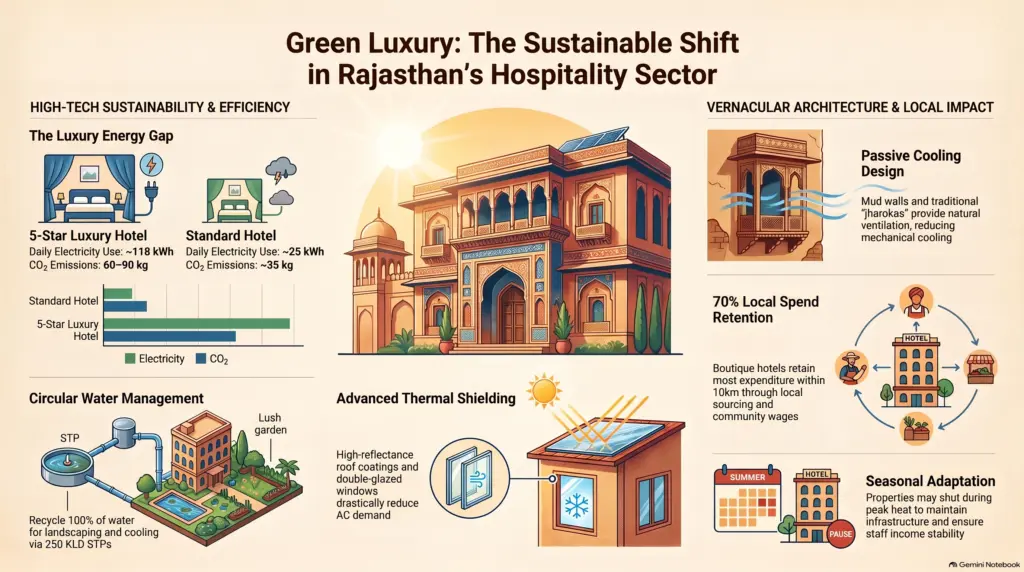
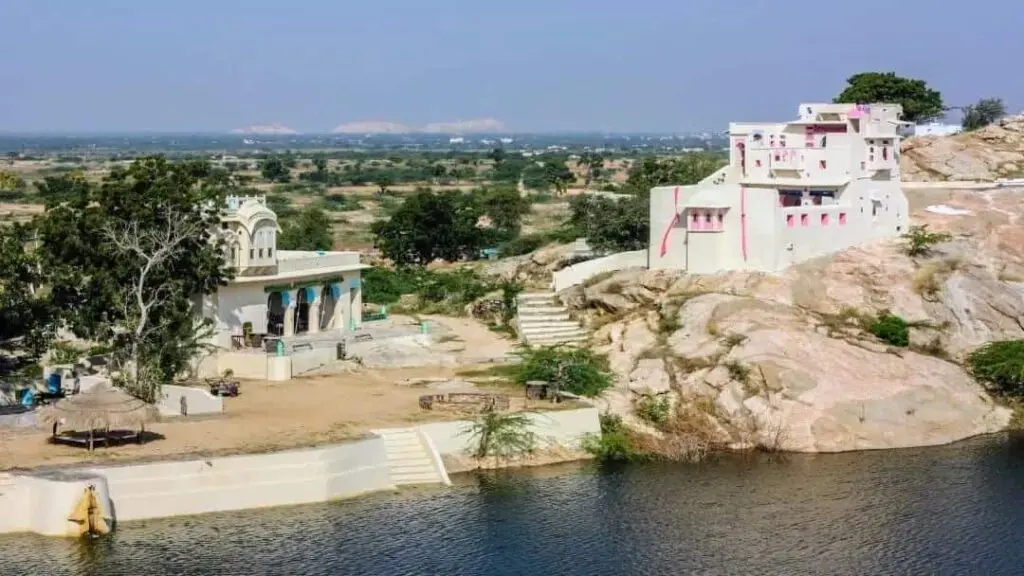
Rajasthan's hospitality sector is adopting solar power, water recycling, and traditional ventilation to cut carbon footprints amid extreme heat and water stress. ITC Rajputana in Jaipur, with a LEED Zero Carbon certificate, uses 2.5 MW of captive wind power from Jaisalmer and recycles all water via 250 KLD STP and 30 KLD ETP. Boutique hotels like Brij Lakshamsagar use mud walls and jharokas for natural cooling. Over 3,000 of the state's 7,000 hotels are registered on the tourism ministry's SAATHI portal. A five-star hotel room typically consumes 118 kWh per night and emits 60-90 kg of CO2.
The Indian Opinion
The feel-good story of Rajasthan hotels turning to solar, water recycling, and traditional architecture is welcome but risks masking harsh realities. High operational costs and policy hurdles remain steep, and environmentalists rightly point to severe groundwater depletion that recycling alone cannot solve. The real test will be how many of the 7,000 registered hotels actually invest in these measures. Is the luxury segment's lead trickling down to budget properties, or is this just a marquee effort for high-paying guests?
Source: news.abplive.com
This story was synthesised by AI from the source linked above.