














Now Reading: HbA1c results can mislead if red blood cell lifespan varies
-
01
HbA1c results can mislead if red blood cell lifespan varies


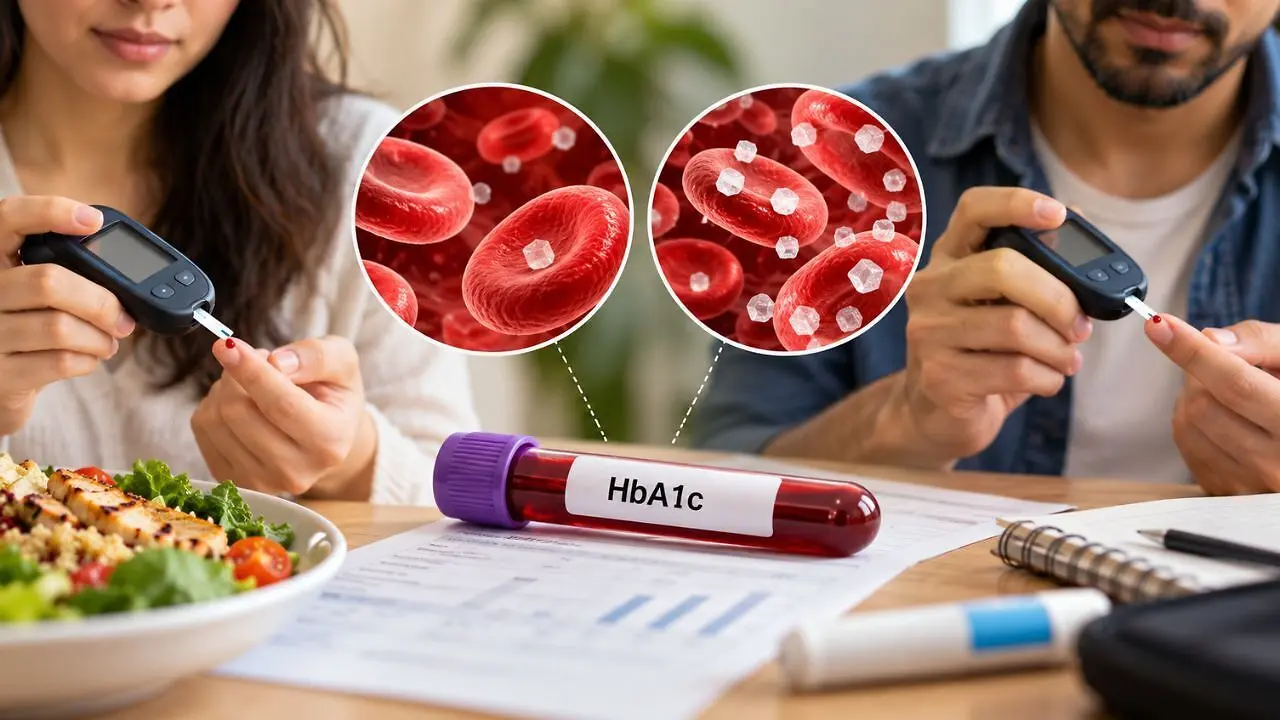
HbA1c, a common test for average blood sugar over three months, can give misleading results when red blood cells do not live their normal 120-day lifespan. The test measures glucose stuck to…
HbA1c, a common test for average blood sugar over three months, can give misleading results when red blood cells do not live their normal 120-day lifespan. The test measures glucose stuck to haemoglobin inside red blood cells. If cells are replaced faster, they pick up less glucose and HbA1c reads falsely low. If they survive longer, they collect more glucose and HbA1c reads falsely high. Two people with the same blood sugar can therefore get different HbA1c numbers.
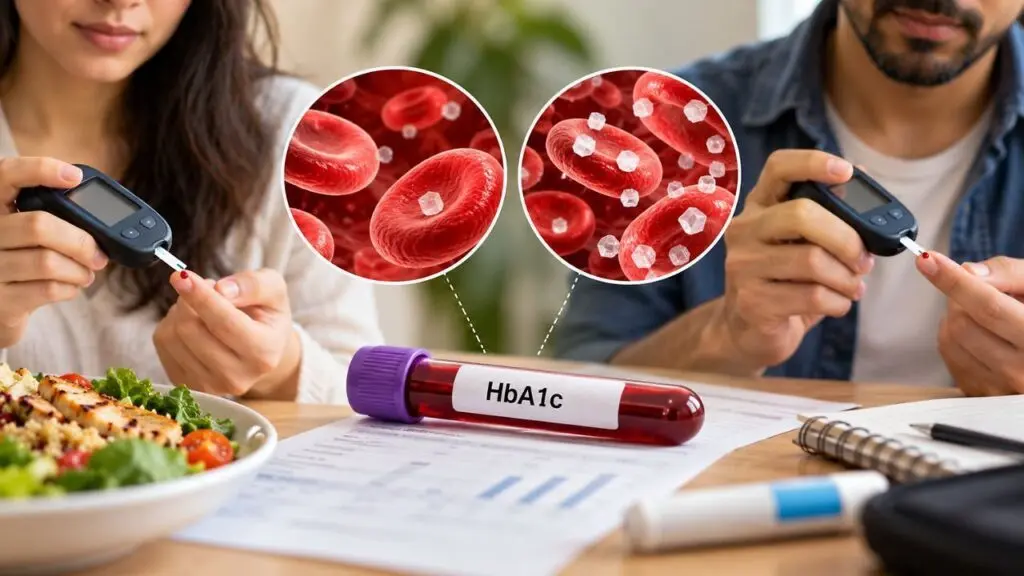
Conditions that lengthen red blood cell survival include iron deficiency anaemia and vitamin B12 deficiency, which can push HbA1c up even when sugar control is reasonable. Conditions that shorten survival include haemolytic anaemia, chronic kidney disease, recent blood loss, pregnancy and recent blood transfusions, which can make HbA1c appear falsely low. When daily home glucose readings disagree with HbA1c results over several months, the test may not reflect true glucose levels.
Doctors can use fasting and post-meal blood glucose readings, home glucose logs, fructosamine (which covers two to three weeks and does not depend on red blood cell lifespan) or continuous glucose monitoring instead. Treating any underlying anaemia or deficiency may make future HbA1c results more reliable.
Indian Opinion Analysis
HbA1c became the standard for diabetes monitoring after the Diabetes Control and Complications Trial in 1993 proved its link to long-term complications. But the test's reliance on red blood cell lifespan is a known limitation that the Indian Council of Medical Research guidelines acknowledge, recommending clinicians consider anaemia and haemoglobin variants common in India, such as thalassemia, before interpreting results. Iron deficiency anaemia alone affects roughly half of Indian women of reproductive age, according to National Family Health Survey data, meaning many patients may get HbA1c readings that are deceptively high. The practical takeaway for the busy reader: if HbA1c and your glucometer readings consistently disagree over two or more visits, ask your doctor about fructosamine or a full iron panel before adjusting medication. A mismatch caught early can prevent unnecessary drug escalation or missed high sugars.
Source: timesnownews.com
This brief was synthesised by AI from the source linked above.