















Now Reading: Herders quitting, skills for tiger coexistence disappearing
-
01
Herders quitting, skills for tiger coexistence disappearing


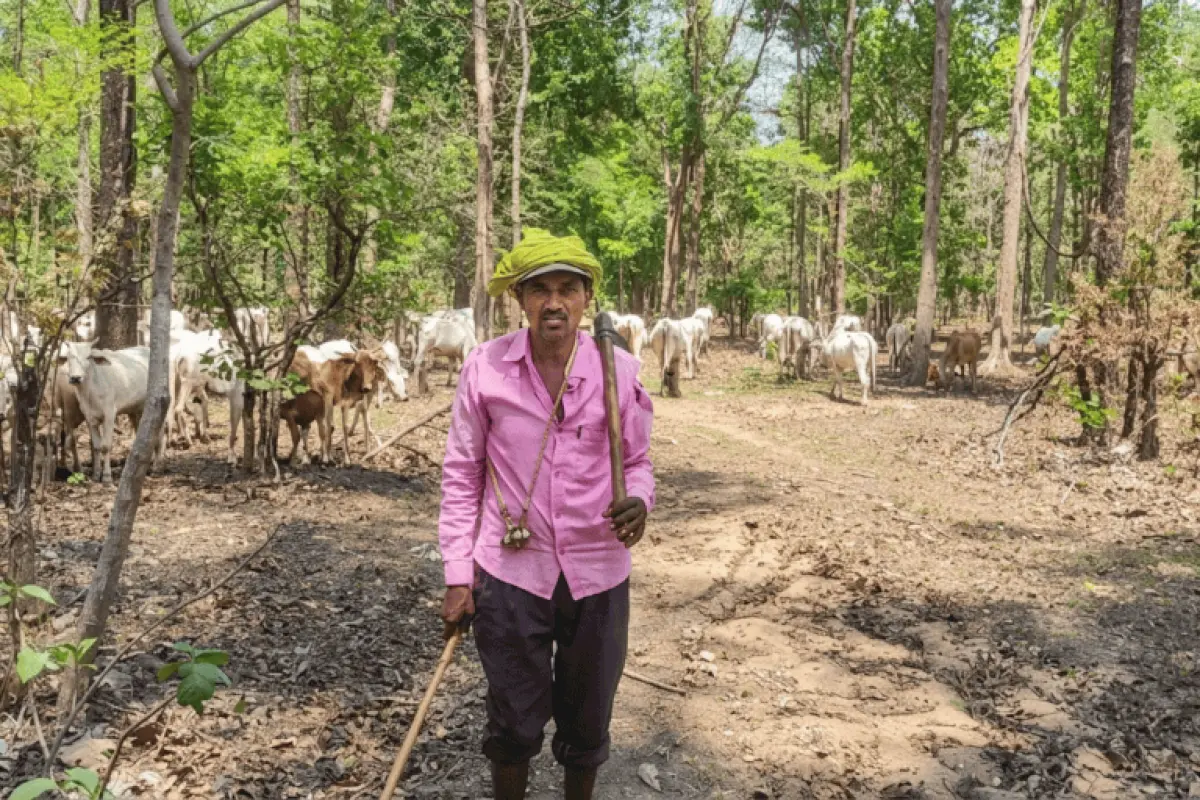
A commentary on Mongabay-India reports that herders in the Kanha-Pench corridor, which connects two tiger reserves in Madhya Pradesh, are quitting their occupation due to low wages, loss of pastures, and the…
The Story in Brief
A commentary on Mongabay-India reports that herders in the Kanha-Pench corridor, which connects two tiger reserves in Madhya Pradesh, are quitting their occupation due to low wages, loss of pastures, and the risk of tiger attacks. The 5,900 sq km corridor, home to 97 tigers and over 400 villages, recorded more than 14,000 cattle killed by tigers and leopards across the state in 2024, 25. Herders possess specialised knowledge to detect predators, locate livestock killed, and navigate government compensation, thereby mediating tensions between cattle-holders and the forest department. As herding declines, this intergenerational knowledge and ethic of coexistence disappear, undermining conservation efforts that rarely account for it.

The Indian Opinion
The commentary on Mongabay-India rightly warns that losing herder knowledge weakens coexistence, but the narrative often blames tigers alone for rising cattle deaths. The real story is economic: herders face low wages, vanishing pastures, and personal risk. Conservation programmes focus on compensation and fences, but ignore the human infrastructure that keeps peace. The test will be whether the forest department begins formally recognising herders as mediators, not just claimants, before the next big conflict.
Source: india.mongabay.com
This story was synthesised by AI from the source linked above.