













Now Reading: Protesters report injuries from crowd-control weapons at Delhi marches, police dispute some claims
-
01
Protesters report injuries from crowd-control weapons at Delhi marches, police dispute some claims

Protesters report injuries from crowd-control weapons at Delhi marches, police dispute some claims

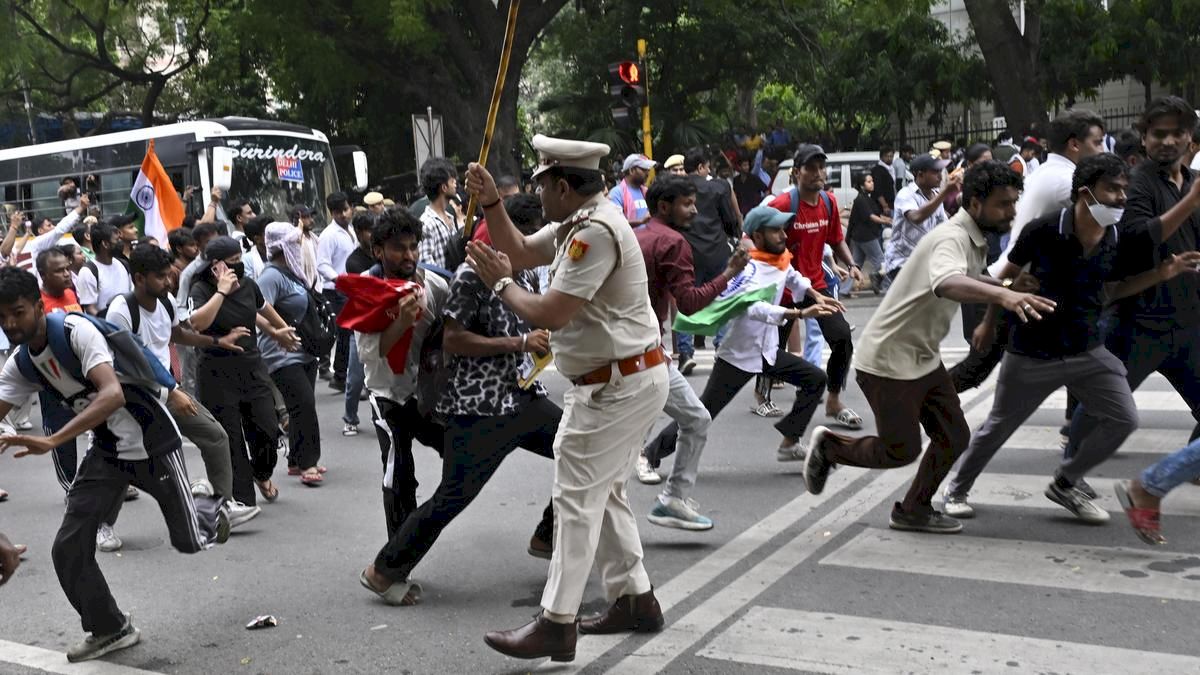
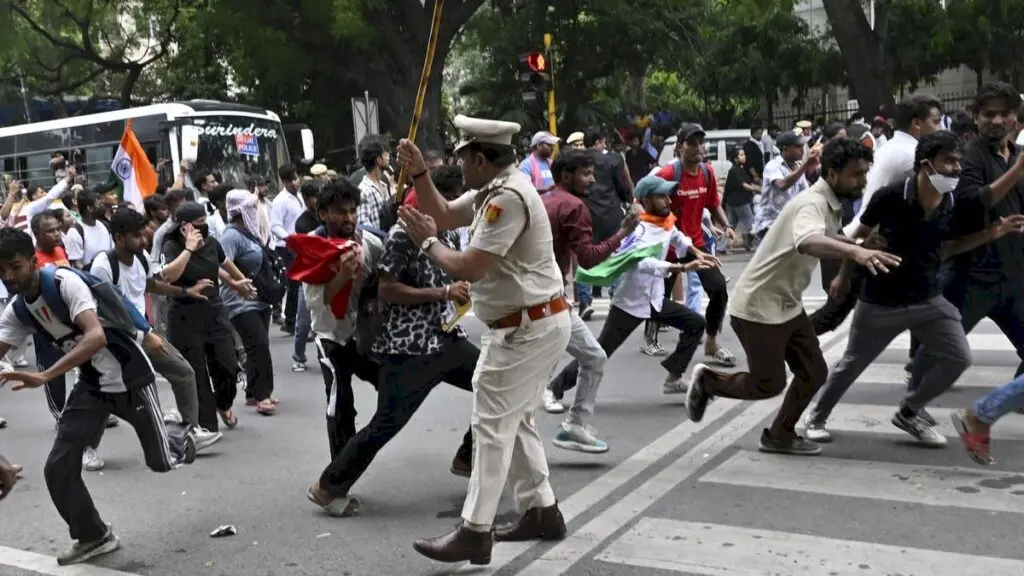
Protesters at marches organised by the Cockroach Janta Party at Delhi's Jantar Mantar reported injuries from alleged lathi charges, tear gas, pellet guns and shock batons, The Hindu reported. One protester, named…
Protesters at marches organised by the Cockroach Janta Party at Delhi's Jantar Mantar reported injuries from alleged lathi charges, tear gas, pellet guns and shock batons, The Hindu reported. One protester, named as Arhaan with his identity protected, said a canister burst near his head during a 20 July march. Several protesters were treated for injuries, including a 20-year-old woman who reportedly needed ventilator support, and five people suffered pellet injuries, with one reportedly at risk of losing vision. Delhi police and other security personnel have denied using several of the alleged devices, and the report says transparency around the crowd-control methods used remains limited. Physicians for Human Rights, citing two systematic reviews, said less-lethal weapons used in earlier protests have caused injuries ranging from transient symptoms to lifelong disability and death.
Indian Opinion Analysis
The allegations are specific and, in places, medically documented, but police denials mean key facts, which devices were actually used, are contested rather than settled. Medical records, video evidence and deployment logs would resolve much of the dispute, and none are described as available here. The cited research on less-lethal weapons supports treating the injury claims seriously rather than dismissing them, but it does not confirm what happened at this specific march. An independent inquiry into the devices deployed on 20 July would settle the dispute.
Source: www.thehindu.com
This brief was synthesised by AI from the source linked above.