















Now Reading: Hyderabad airport cuts departure fees, adds arrival charge
-
01
Hyderabad airport cuts departure fees, adds arrival charge



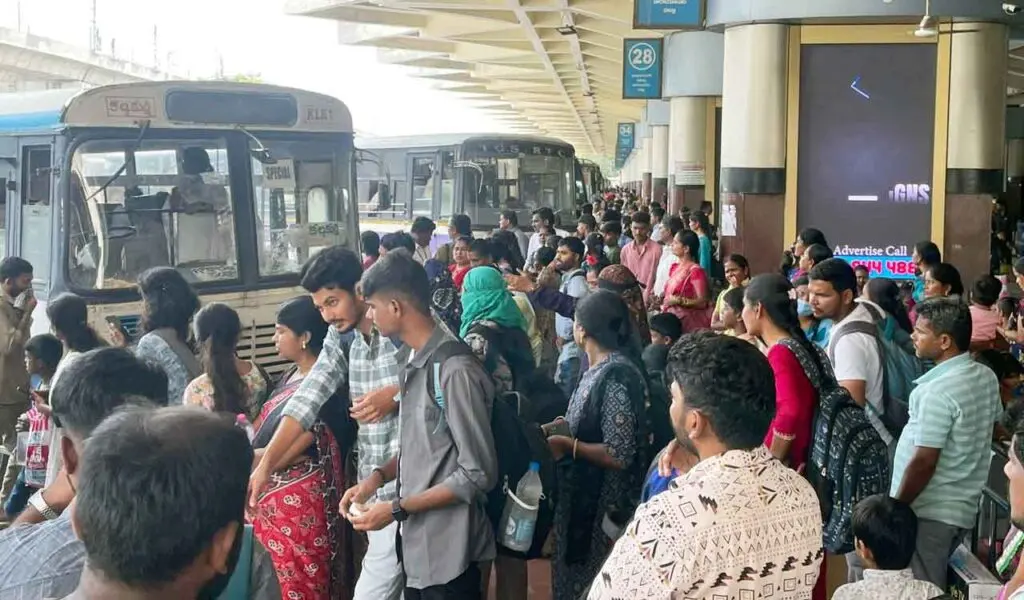
The Airports Economic Regulatory Authority has slashed the User Development Fee for domestic passengers departing from Hyderabad's Rajiv Gandhi International Airport by more than 30%, from Rs 750 to Rs 515, effective September 1, 2026. For the first time, domestic passengers arriving in Hyderabad will pay Rs 220 as UDF.
International departing passengers will pay Rs 1,030, down from Rs 1,500, while international arrivals will pay Rs 440, Business Line reports. The tariff order, which remains valid until March 31, 2031, introduces an incremental revenue model under which cost recovery from major projects is linked to their actual commissioning.
The Hindu notes the regulator rejected the airport operator's proposed aggregate revenue requirement of Rs 27,851 crore, approving a baseline of Rs 11,683.49 crore. The UDF will rise during the control period but decline in later years, fees for the proposed northern expansion will be added only after that infrastructure is operational.
Indian Opinion Analysis
The three sources report the AERA tariff order with essentially uniform factual detail, differing only in the frame and the audience hook. The Times of India leads with the cost for arriving passengers, a new charge, calling it a 'catch', while Business Line and The Hindu foreground the headline reduction for departing passengers, presenting the same news as a saving. Business Line adds AERA's justification that arriving passengers also use terminal facilities, lending authority to the new levy. The deeper difference is in the methodology story: The Hindu alone details the regulator's rejection of the airport operator's higher proposed ARR, foregrounding AERA's new incremental model that defers cost recovery until projects are commissioned. This is the tariff's structural change that will govern future infrastructure charging.
Coverage: 3 sources, 2 neutral, 1 sensationalist
Sources (3): timesofindia.indiatimes.com (sensationalist), thehindubusinessline.com (neutral report), thehindu.com (neutral report)
This brief was synthesised by AI from the 3 sources linked above, so one read covers every framing they carry. Methodology and corrections.
Updated: this story now draws on 3 sources.