
















Now Reading: Hyderabadi biryani reveals regional garam masala diversity in India
-
01
Hyderabadi biryani reveals regional garam masala diversity in India



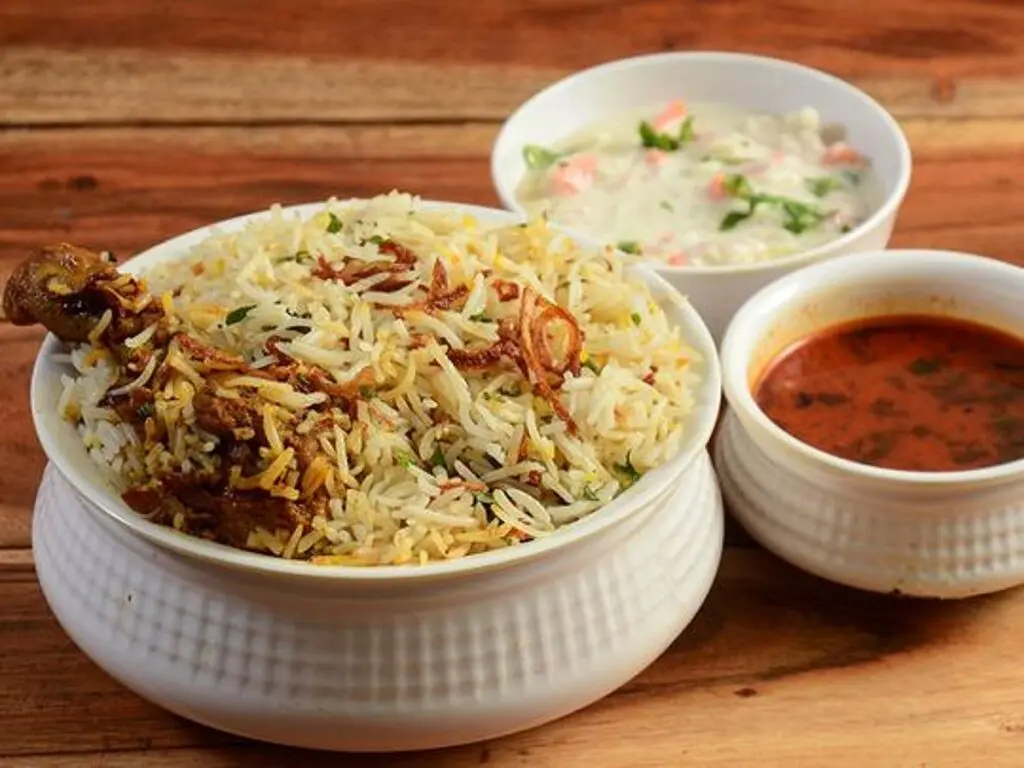
A personal essay published by Gulf News explores how Hyderabadi biryani exemplifies the regional diversity of garam masala across India, challenging the notion of a single national spice blend. The article traces the historical roots of Indian spices to ancient medical texts by Charaka and Sushruta, and highlights turmeric's modern recognition as an anti-inflammatory and antioxidant.
The piece cites the McCormick Science Institute on ancient spice use and a National Center for Biotechnology Information study showing curcumin, a turmeric derivative, targets multiple signalling molecules. Curcumin is noted for benefits in inflammatory conditions, metabolic syndrome, pain, and degenerative eye conditions.
The essay uses biryani as a lens to argue that India's culinary traditions are not uniform, with each region's garam masala reflecting local history and ingredients.
Indian Opinion Analysis
This essay sits within a growing global interest in regional Indian cuisines, moving beyond generic 'curry' labels. The scientific citations about turmeric and curcumin are well-established, the National Center for Biotechnology Information study referenced is one of thousands on curcumin's bioavailability challenges, which the article does not address. For the reader, the key takeaway is that India's spice diversity is both a culinary and a historical fact, with ancient texts like the Charaka Samhita forming the earliest recorded pharmacopoeia. The next time a recipe calls for 'garam masala', the question is not just which brand, but which region's blend.
Source: gulfnews.com
This story was synthesised by AI from the source linked above. Methodology and corrections.