















Now Reading: Lucknowi khansama decodes difference between biryani, yakhni pulao and tehri
-
01
Lucknowi khansama decodes difference between biryani, yakhni pulao and tehri

Lucknowi khansama decodes difference between biryani, yakhni pulao and tehri

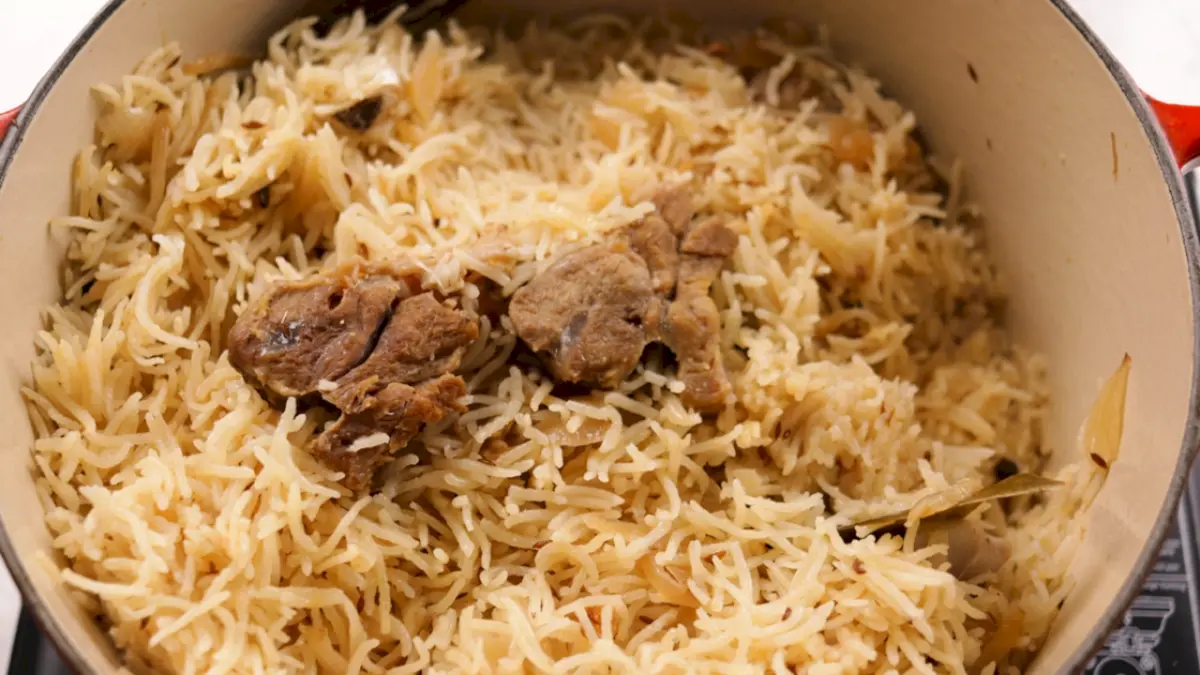
A Lucknowi khansama has explained what sets yakhni pulao, biryani and tehri apart, telling travelling seeker Maroof Umar that the city of Nawabs houses pulao, not biryani. In yakhni pulao, spices are…
The Story in Brief
A Lucknowi khansama has explained what sets yakhni pulao, biryani and tehri apart, telling travelling seeker Maroof Umar that the city of Nawabs houses pulao, not biryani. In yakhni pulao, spices are tied in a potli and hidden, giving fragrance without visible spices, biryani shows all its spices. If spices are visible, the dish is tehri, not yakhni pulao, the khansama said.
The white yakhni pulao traces its roots to Persia, travelling through Central Asia and Afghanistan to Mughal kitchens and regional hubs like Awadh and Kashmir. Old establishments such as Idress Biryani (since 1968), Lalla Biryani and The Biryani Wala are considered gold standards in Lucknow.
The Indian Opinion
A Lucknowi khansama has drawn clear lines between these three dishes, but the story feeds an endless 'authenticity' debate that often ignores how food evolves. Every region and home alters recipes to taste. Instead of declaring one version 'true', we should ask whether these distinctions help preserve craft or just gatekeep pleasure. The real test is simple: does the dish taste good and does it keep a tradition alive? That is what matters to the eater.
Source: timesnownews.com
This story was synthesised by AI from the source linked above.