















Now Reading: India-Pakistan textile rivalry set to shift
-
01
India-Pakistan textile rivalry set to shift



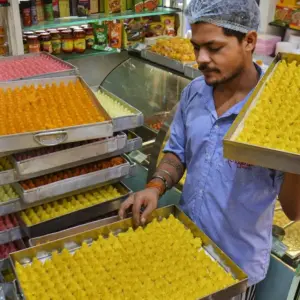
India holds a competitive edge over Pakistan in textile exports due to its large-scale integrated production and skilled workforce, allowing it to manufacture higher-value products. This advantage has attracted quality-conscious Western buyers willing to pay a premium for Indian textiles.
However, the cut-throat competition between the two neighbours is expected to change soon. The report from NDTV Profit suggests that India's sustained investment in technology and infrastructure will further widen the gap, making Pakistan's low-cost model less viable in global markets.
The shift could reshape South Asia's textile trade dynamics, with India likely to strengthen its position in premium segments while Pakistan may struggle to keep pace without major upgrades.
Indian Opinion Analysis
The textile sector is a major employer in both countries, with India's industry worth over Rs 1.5 lakh crore and Pakistan's around Rs 60,000 crore. India's advantage stems from its integrated textile parks scheme (SITP) and a skilled labour pool of over 45 million workers, while Pakistan faces energy shortages and outdated machinery. The real game-changer will be India's free trade agreements with the EU and UK, which could slash tariffs on Indian textiles by up to 20%, further eroding Pakistan's price advantage. Watch for the next round of FTA negotiations with the UK, expected later this year, as the outcome will directly impact this rivalry.
Source: ndtvprofit.com
This story was synthesised by AI from the source linked above. Methodology and corrections.