

















Now Reading: India produces scientific talent faster than system can absorb
-
01
India produces scientific talent faster than system can absorb


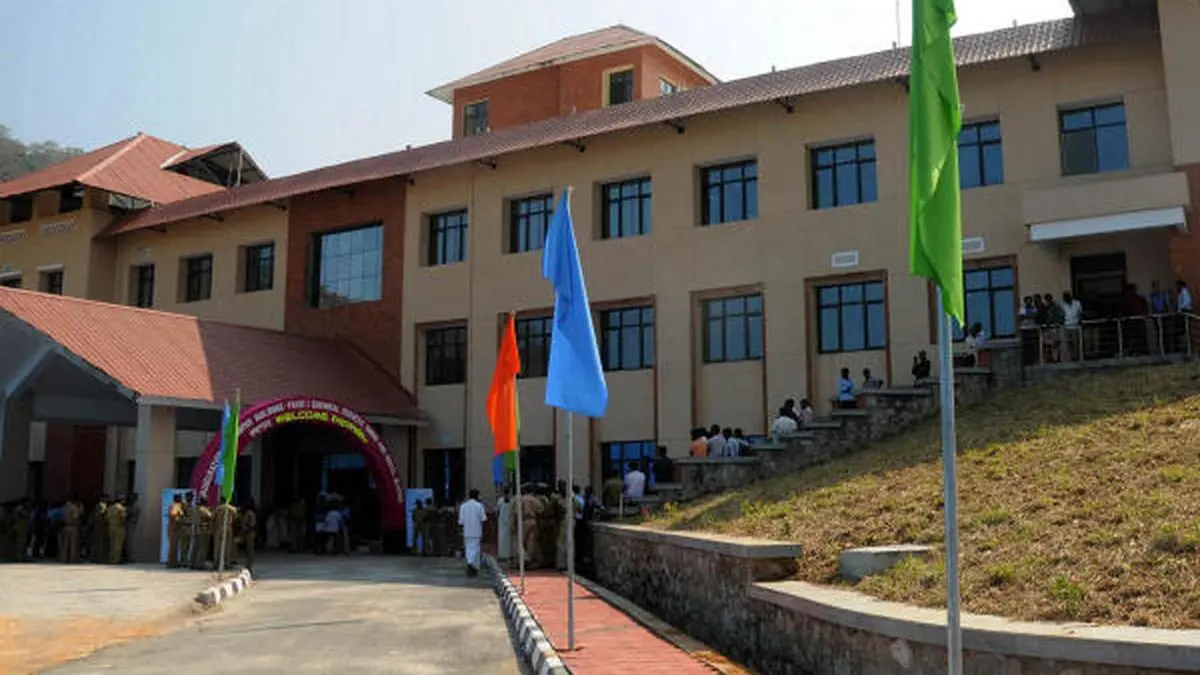
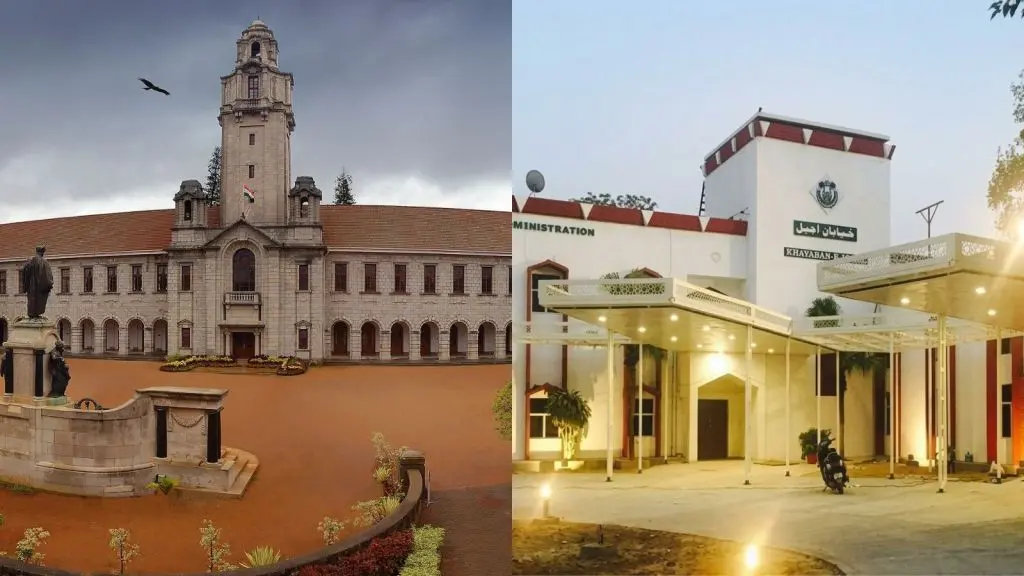
India's research ecosystem is producing scientific talent at a rate that outstrips the capacity of existing institutions to absorb them, according to experts cited by The Hindu. The country has islands of excellence such as IITs, IISc, IISERs and certain CSIR labs, but lacks large-scale shared translational infrastructure that can carry technologies from the lab to commercial scale.
Many researchers say technologies fail not because the underlying science is flawed, but because no institution exists to take them through the scale-up process. A case in point is the February 2025 transfer of sodium-ion battery technology from Pune-based KPIT Technologies to Trentar Energy Solutions, which is now building a 3 GWh manufacturing plant around the platform. The battery chemistry offers energy density between 100 and 170 Wh/kg and nearly 80% capacity retention over 3,000 to 6,000 cycles.
The gap between research output and industrial adoption underscores a structural weakness in India's innovation pipeline. Without shared infrastructure to bridge the valley of death between discovery and deployment, even promising breakthroughs may struggle to reach the market.
Indian Opinion Analysis
India spends about 0.65% of GDP on R&D, far below China's 2.4% and the US's 3.5%, as per the Department of Science and Technology's 2024 data. The lack of shared pilot plants and scale-up facilities means most university discoveries remain at lab scale. The KPIT-Trentar Energy deal shows one exit path: corporate transfer of proven chemistry to a manufacturing partner. But such arrangements remain rare. The National Research Foundation, established under the Anusandhan Nidhi Act of 2023, was tasked with creating translation hubs, but its operational rollout has been slow. The 16th Finance Commission's recommendations due in 2026 could shape state-level R&D infrastructure spending.
For India to move from island excellence to systemic innovation, it needs not more PhDs alone but the industrial commons to turn them into products.
Source: thehindu.com
This story was synthesised by AI from the source linked above. Methodology and corrections.