












Now Reading: India Proposes Mandatory Vehicle-to-Vehicle Safety Systems From 2028
-
01
India Proposes Mandatory Vehicle-to-Vehicle Safety Systems From 2028


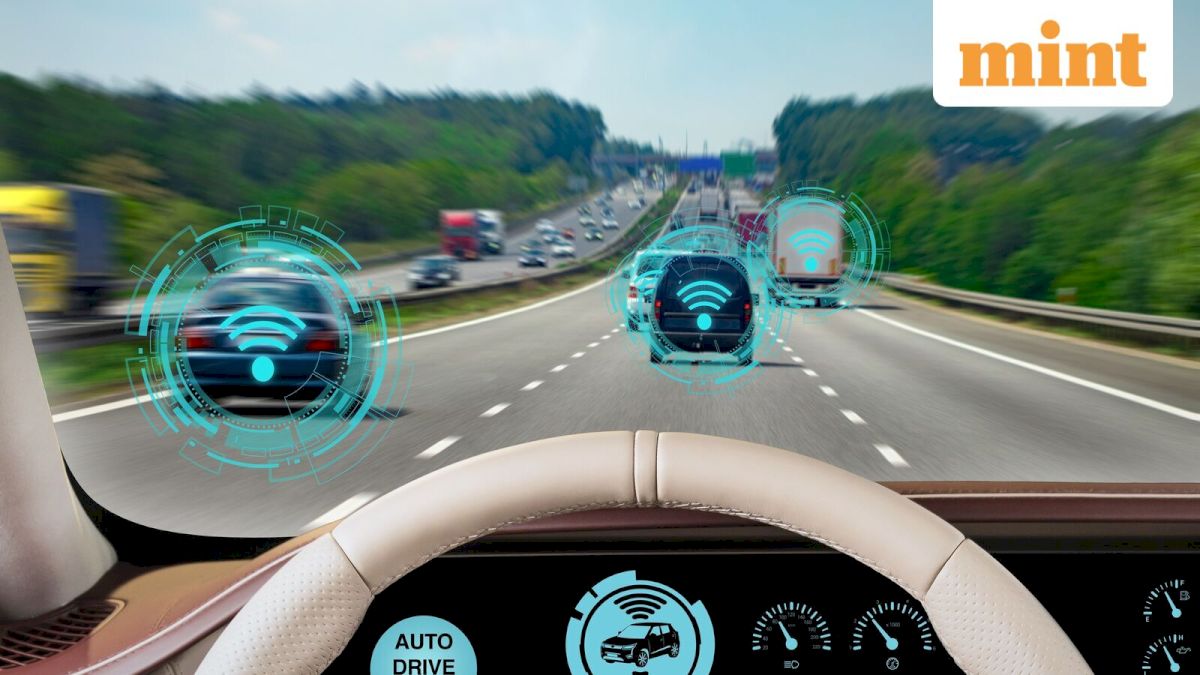
The Ministry of Road Transport and Highways has proposed mandatory vehicle-to-vehicle communication systems in all new two-wheelers, passenger vehicles and commercial vehicles manufactured from 1 October 2028. The draft amendment to the…
The Story in Brief
The Ministry of Road Transport and Highways has proposed mandatory vehicle-to-vehicle communication systems in all new two-wheelers, passenger vehicles and commercial vehicles manufactured from 1 October 2028. The draft amendment to the Central Motor Vehicles Rules requires compliance with the AIS-230 standard.
The technology lets nearby vehicles exchange speed, position, direction, braking and acceleration data several times a second. It can warn drivers about sudden braking, wrong-way driving, emergency vehicles and collisions hidden by bends, buildings or large trucks. Voluntary installations must meet AIS-230 from 1 October 2027. The systems will use Cellular Vehicle-to-Everything technology and work alongside, rather than replace, cameras, radar and other driver-assistance systems.
The Indian Opinion
Claims that connected vehicles will make Indian roads instantly safe would be overstated. V2V depends on reliable hardware, accurate positioning, cybersecurity and enough vehicles carrying compatible systems. The opposite claim, that it is merely an expensive gadget, is also too lazy, since warnings beyond a driver’s line of sight can address real crash risks. The first test will be whether manufacturers meet the 2028 deadline without pushing costs sharply higher, followed by measurable changes in crash data.
Source: livemint.com
This story was synthesised by AI from the source linked above.