


















Now Reading: India-US Yudh Abhyas to test troops in desert and mountains
-
01
India-US Yudh Abhyas to test troops in desert and mountains


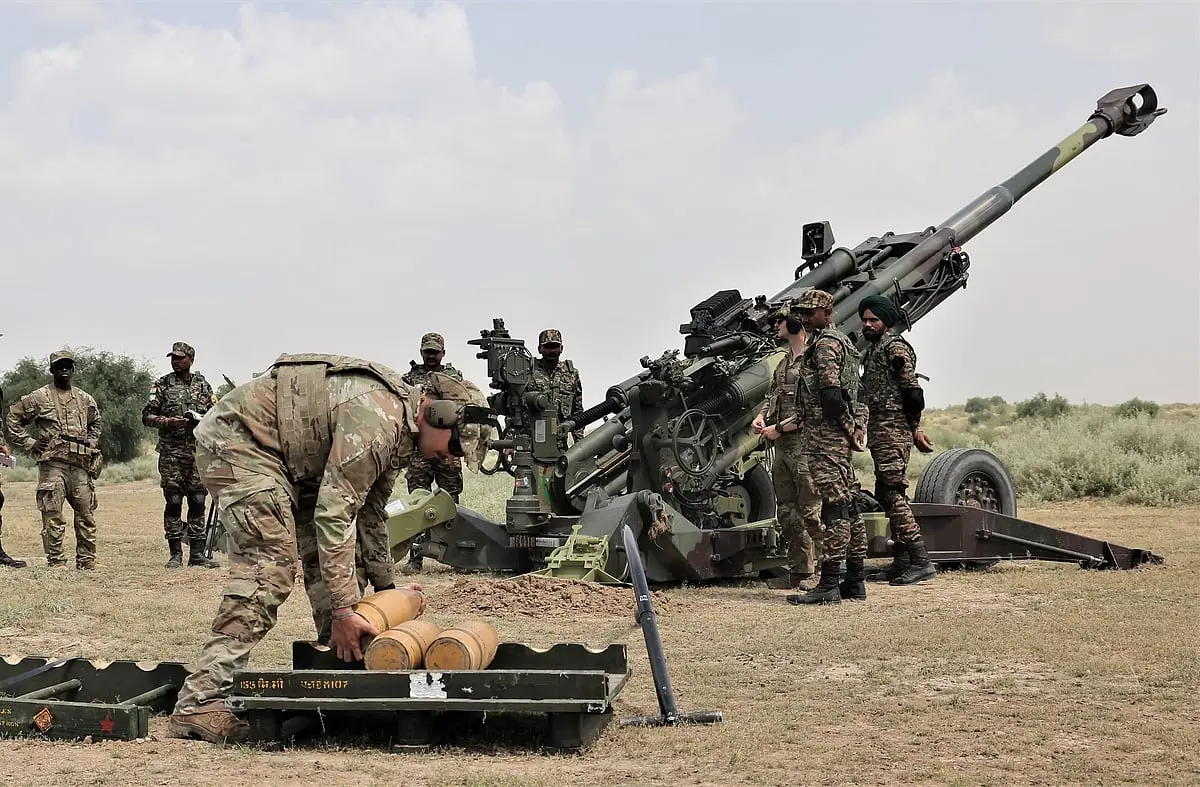
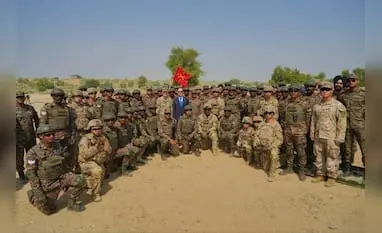
The Indian and US armies will hold the 22nd edition of their joint exercise Yudh Abhyas in a two-theatre format for the first time, starting in the first week of September. The exercise will begin at the Mahajan Field Firing Ranges near Bikaner, Rajasthan, before moving to Auli in Uttarakhand, roughly 95 km from the Line of Actual Control with China.
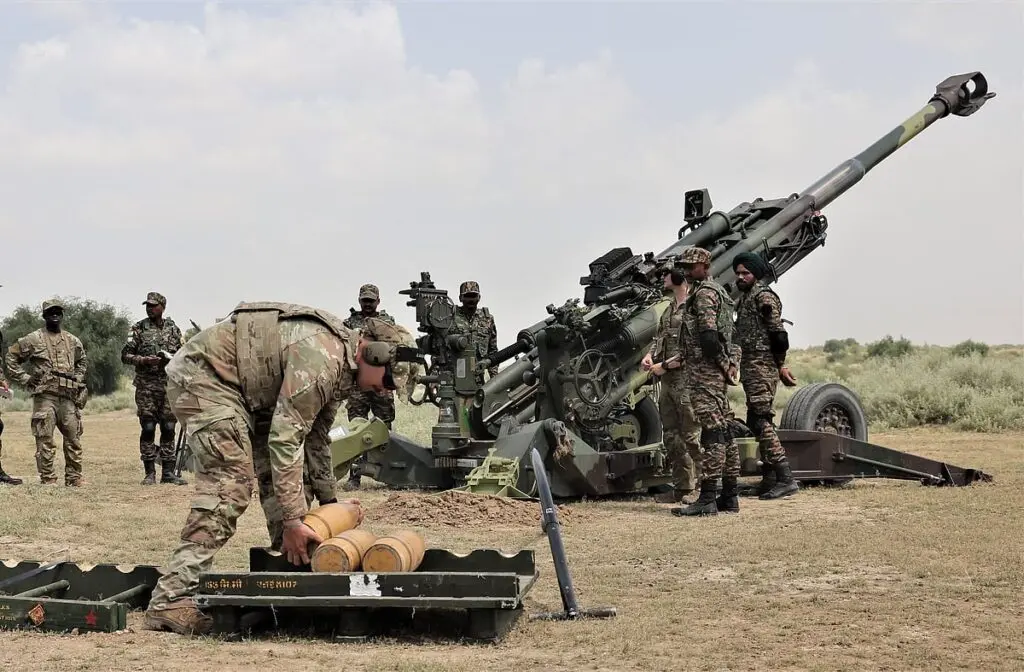
The desert phase will focus on long-range and precision fires, with India likely deploying Pinaka rocket launchers and K9 Vajra howitzers, while the US brings HIMARS systems. The mountain phase at Auli, at an altitude of about 2,500 metres, will emphasise high-altitude warfare, air mobility and infantry manoeuvres, with the Indian Army operating M777 ultra-light howitzers. Both phases will include counter-drone operations, electronic warfare, and the use of loitering munitions.
Yudh Abhyas began in 2004 as a platoon-level peacekeeping exercise and has grown to include mountain warfare, electronic warfare and unmanned systems. The exercise is part of a broader defence partnership that also includes naval exercise Malabar, air exercise Cope India, and the tri-service Tiger Triumph.
Indian Opinion Analysis
The two-theatre format reflects the Indian Army's need to prepare for simultaneous threats on the western desert border with Pakistan and the mountainous LAC with China, where a standoff has continued since May 2020. The choice of Auli, just 95 km from the LAC, signals that high-altitude readiness against China remains a priority. The M777 howitzers, used in Operation Sindoor, and Apache helicopters bring proven US-origin firepower to the exercise. The inclusion of counter-drone and electronic warfare drills addresses a rapidly evolving battlefield threat. The exercise will test acclimatisation and logistics in terrain where India has deployed tens of thousands of troops. The next phase to watch is how the drills translate into joint operational doctrines for both armies.
The US has been India's most active bilateral military partner, with exercises across all three services. Yudh Abhyas has grown from peacekeeping to full-spectrum warfighting, mirroring the deepening strategic partnership. The two-theatre format is a practical step: it saves time and resources while exposing the same troops to contrasting environments. For India, the ability to operate US-origin weapons like the M777 and Apache in high-altitude conditions with American forces builds interoperability that could matter in any future contingency. The exercise runs through September, and its outcome will likely shape planning for next year's edition.
Source: newindianexpress.com
This story was synthesised by AI from the source linked above. Methodology and corrections.