








Now Reading: SIAM withdraws E20 warning, Team Bharat meets Puri
-
01
SIAM withdraws E20 warning, Team Bharat meets Puri


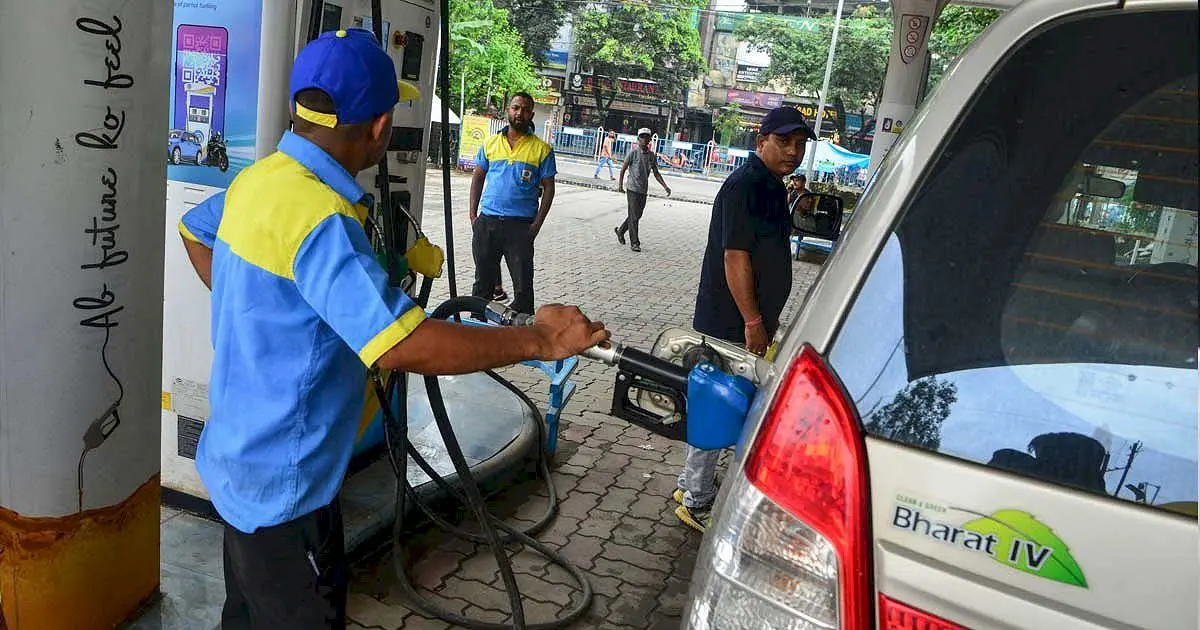
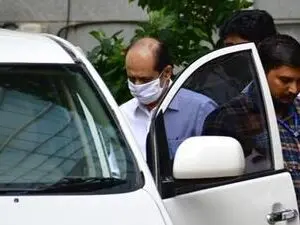
Citizens’ advocacy group Team Bharat met Union Petroleum Minister Hardeep Puri on July 29, urging the government to keep supplying E10 petrol and make pure E0 petrol available at all pumps at…
The Story in Brief
Citizens’ advocacy group Team Bharat met Union Petroleum Minister Hardeep Puri on July 29, urging the government to keep supplying E10 petrol and make pure E0 petrol available at all pumps at affordable prices. The group, led by Tehseen Poonawalla, also demanded a 20% discount on E20 fuel and a mechanism to inspect vehicles reported damaged by the blended fuel. This comes a day after the Society of Indian Automobile Manufacturers (SIAM) withdrew its earlier letter to the Petroleum Secretary that had flagged a ‘huge increase’ in component failures linked to high chloride contamination in E20 fuel. SIAM said the data required further authentication. The Hindu reports that Team Bharat also raised concerns about a potential conflict of interest involving Union Transport Minister Nitin Gadkari. The government has maintained that E20 is safe for use and reduces fuel efficiency by 3-5% in E10-compliant vehicles.
The Indian Opinion
The swift reversal by SIAM, from citing ‘huge increase’ in failures to calling its own figures unverified, leaves the public guessing who leaned on whom. At the same time, the government's insistence that E20 is safe while promising only a 3-6% fuel efficiency drop does not address the chloride contamination found in samples. The real test will be the mandatory chloride limits that SIAM originally demanded. If those are not set, the industry's climbdown looks less like due diligence and more like a quiet retreat.
Sources (2): rediff.com, thehindu.com
This story was synthesised by AI from the 2 sources linked above.
Updated: this story now draws on 2 sources.