












Now Reading: India’s elections grew from 17 crore voters to nearly 98 crore
-
01
India’s elections grew from 17 crore voters to nearly 98 crore


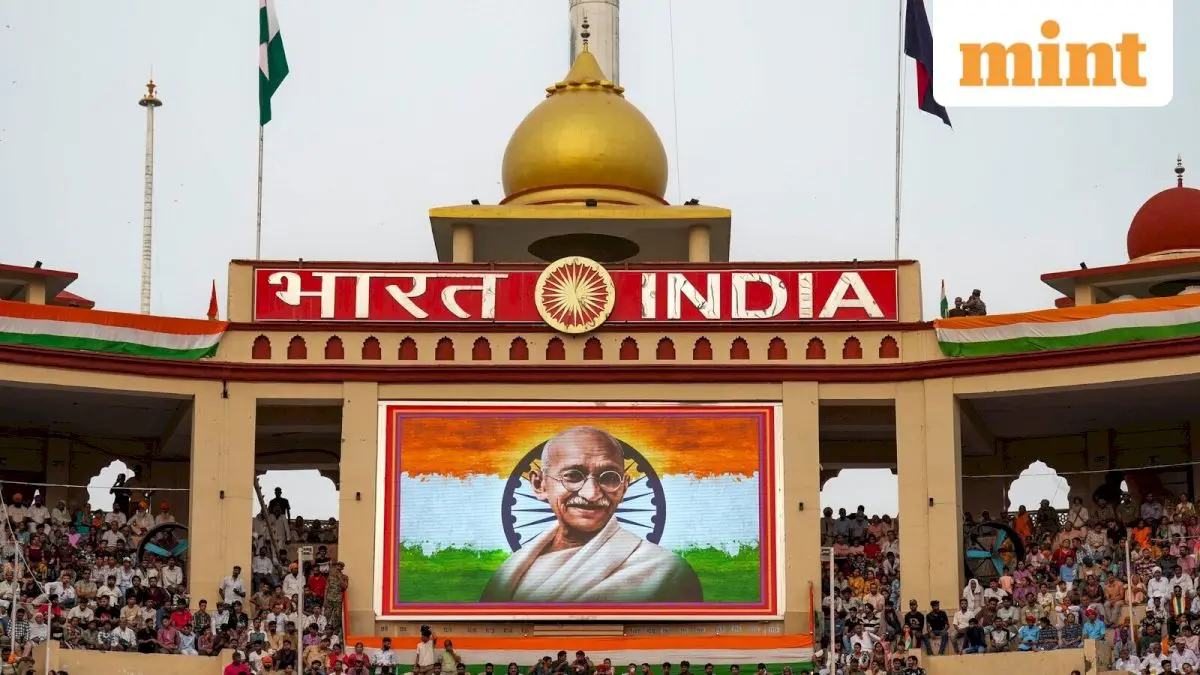
India’s electorate has expanded from 17.32 crore registered voters in the first general election of 1951-52 to 97.98 crore in 2024, Livemint reports. Turnout rose from 45.67% to 66.10%, with 64.64 crore…
The Story in Brief
India’s electorate has expanded from 17.32 crore registered voters in the first general election of 1951-52 to 97.98 crore in 2024, Livemint reports. Turnout rose from 45.67% to 66.10%, with 64.64 crore votes polled in 2024. Elections moved from paper ballots to electronic voting machines, used nationwide across all 543 Lok Sabha constituencies for the first time, and later added VVPAT paper verification.
The voting age fell from 21 to 18 in 1989. Women’s turnout reached 65.78% in 2024, close to the overall figure. Politically, India moved from Congress dominance to coalition politics, regional power centres and a BJP-led national contest. The Mandal era also strengthened caste-based and social justice mobilisation.
The Indian Opinion
The lazy story is that bigger elections automatically mean deeper democracy, while the opposite camp treats every change in voting technology or party competition as proof of decline. The record supports neither claim. More voters, stronger women’s participation and wider political competition matter, but they do not settle questions about representation or trust in machines. The useful tests are turnout, participation across groups and whether election institutions publish clear, verifiable audit data.
Sources (2): livemint.com, ndtvprofit.com
This story was synthesised by AI from the 2 sources linked above.
Updated: this story now draws on 2 sources.