












Now Reading: IndiGo flight suffers tail strike in Bengaluru, DGCA probes
-
01
IndiGo flight suffers tail strike in Bengaluru, DGCA probes


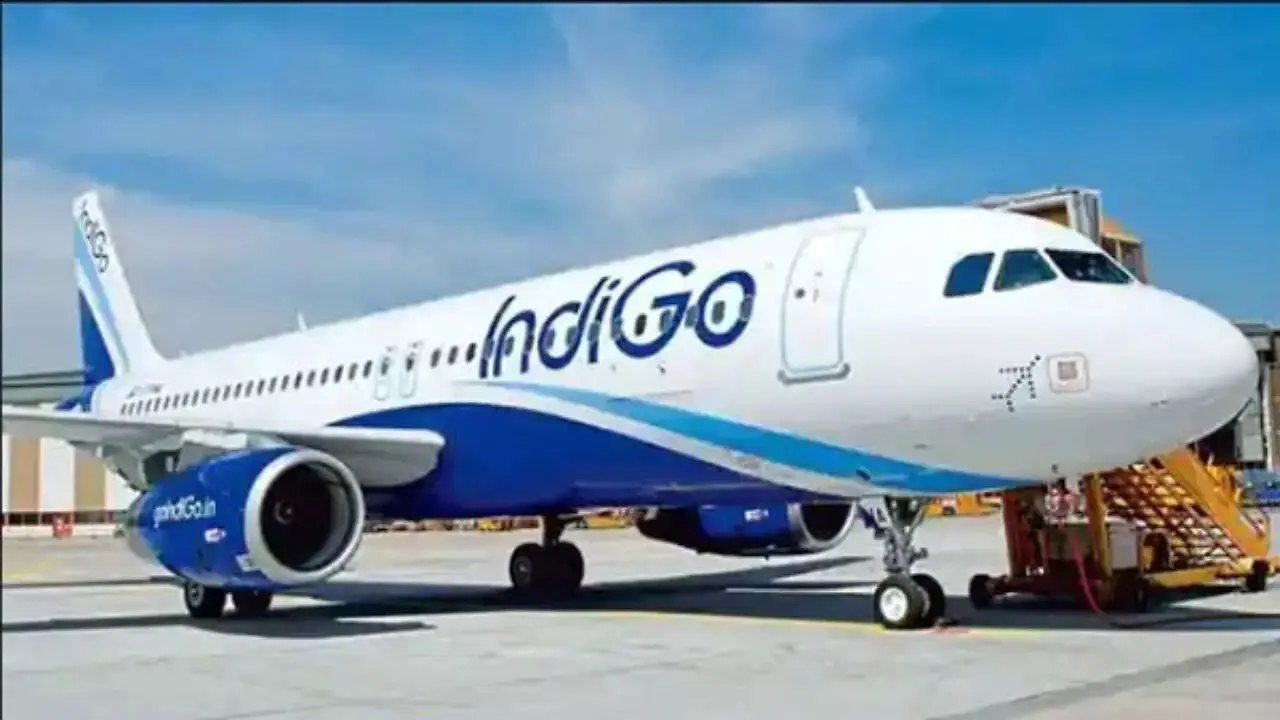
An IndiGo Airbus A321 operating flight 6E 6542 from Guwahati to Bengaluru suffered a tail strike during a go-around at Kempegowda International Airport on Sunday. The aircraft landed safely on its second…
An IndiGo Airbus A321 operating flight 6E 6542 from Guwahati to Bengaluru suffered a tail strike during a go-around at Kempegowda International Airport on Sunday. The aircraft landed safely on its second approach and all passengers and crew disembarked without injury, the airline confirmed. IndiGo said the aircraft experienced an 'abnormal runway contact' while landing in gusty weather and has been grounded for maintenance checks.
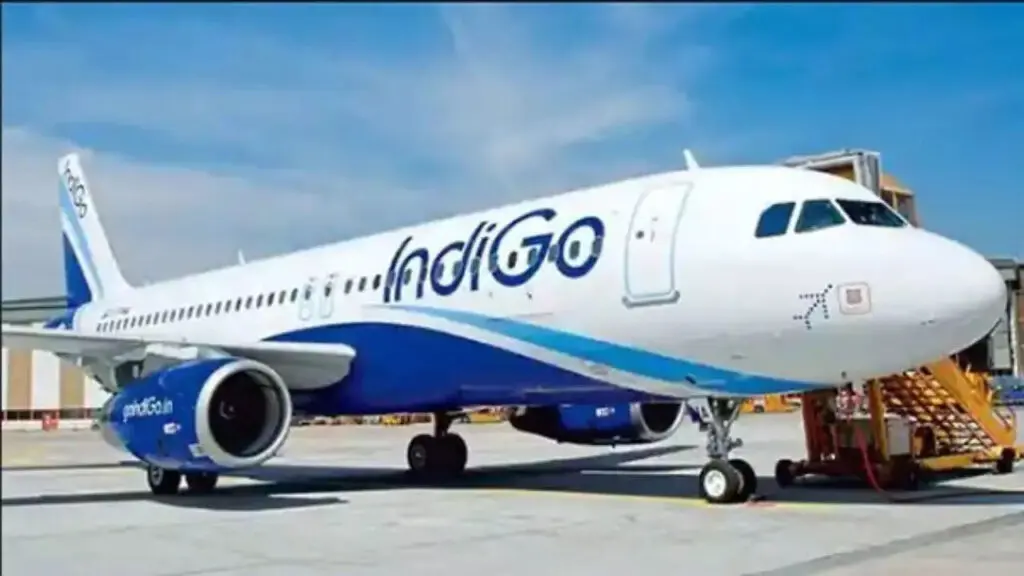
The Directorate General of Civil Aviation (DGCA) has launched an investigation into the incident. IndiGo stated that relevant authorities were informed and the aircraft will resume service only after securing necessary clearances. An alternate aircraft was arranged for onward operations.
Indian Opinion Analysis
All four outlets report the same basic facts: a tail strike during a go-around, safe landing, no injuries, and a DGCA probe. Times of India adds the most context, citing IATA data that tail strikes are the most frequent non-fatal incidents globally and that the A321 model has a higher strike rate than the A320. Hindustan Times lists several other recent IndiGo incidents but does not link them directly. The framing is uniformly neutral-report, with no outlet assigning blame or criticising the airline or regulator. The concrete next step is the DGCA investigation outcome and whether IndiGo's enhanced pilot training reduces future go-around strikes.
The balanced reading is that this was a contained safety event, not a catastrophe, but it adds to a pattern that regulators and the airline are already monitoring.
Coverage: 4 sources, 4 neutral
Sources (4): timesnownews.com (neutral report), indiatoday.in (neutral report), hindustantimes.com (neutral report), timesofindia.indiatimes.com (neutral report)
This brief was synthesised by AI from the 4 sources linked above, so one read covers every framing they carry.
Updated: this story now draws on 4 sources.