







Now Reading: IndiGo turns 20 with 65% domestic market share
-
01
IndiGo turns 20 with 65% domestic market share


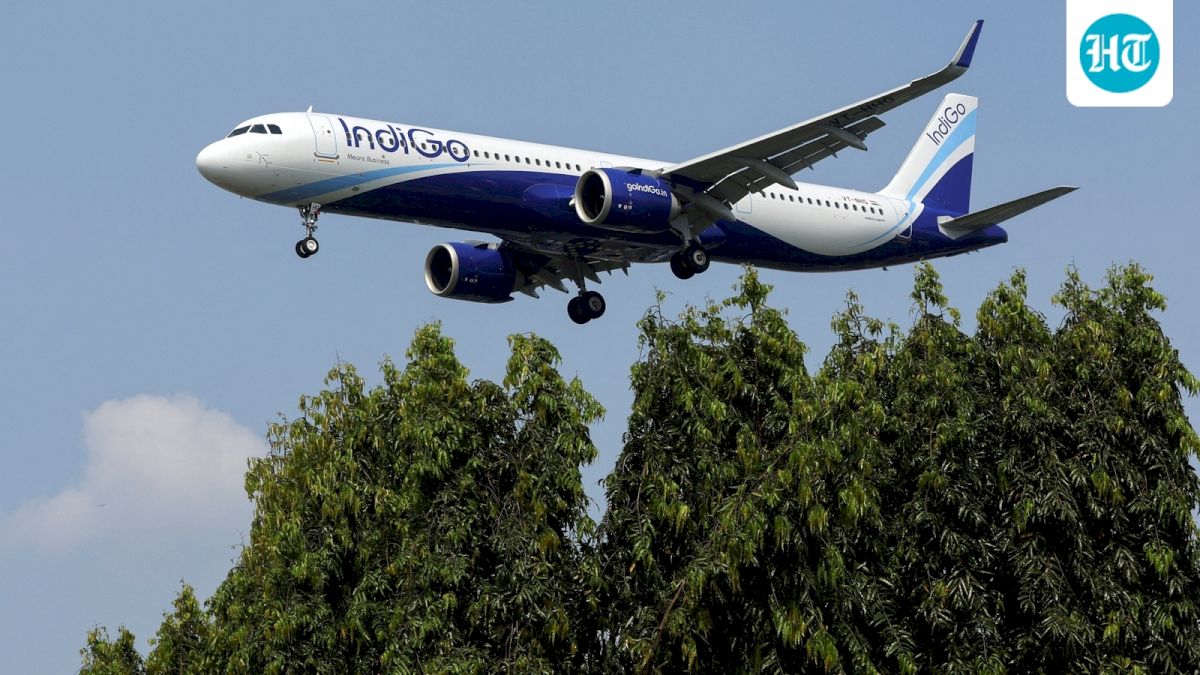
IndiGo, which began flying in 2006 with a New Delhi to Guwahati service via Imphal, now operates 430 aircraft and serves 140 destinations. The airline has more than 500 aircraft on order,…
The Story in Brief
IndiGo, which began flying in 2006 with a New Delhi to Guwahati service via Imphal, now operates 430 aircraft and serves 140 destinations. The airline has more than 500 aircraft on order, over 68,000 employees and above 65% of India’s domestic market, according to the Hindustan Times. Its board has approved 60 Airbus A350 aircraft, with options for 40 more.

The airline expanded internationally in 2011 and returned to profit after pandemic losses of about Rs 12,000 crore. The Economic Times reports that women make up 45.6% of its workforce, including more than 1,000 pilots. IndiGo’s iFLY training system has six facilities, over 170 certified trainers and capacity to train nearly 2,000 employees daily.
The Indian Opinion
The easy story is that IndiGo’s size alone proves its strategy, while the opposing lazy narrative treats fleet orders as reckless ambition. Both miss the test. Its market share and workforce show scale, but long-haul flying will demand reliable service, sound finances and trained staff. The clearest measure will be whether the A350 expansion produces durable international profits without weakening domestic punctuality or customer service.
Sources (2): hindustantimes.com, hr.economictimes.indiatimes.com
This story was synthesised by AI from the 2 sources linked above.
Updated: this story now draws on 2 sources.